Waldorf Astoria New York: A Legacy of Luxury and Diplomacy
Standing as a beacon of sophistication on Park Avenue, the Waldorf Astoria New York is more than just a hotel; it is a living chronicle of 20th-century history. Since its opening on October 1, 1931, this architectural marvel has served as the backdrop for global diplomacy, celebrity glamour, and the evolution of American luxury.
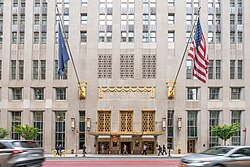
Designed by the renowned architectural firm Schultze & Weaver, the hotel is a masterpiece of Art Deco style—a visual arts design movement characterized by bold geometric shapes and lavish ornamentation. From its towering 47-story presence to its legendary ballrooms, the Waldorf Astoria has remained a symbol of New York City's prestige for nearly a century.
Key Facts
- Opened: October 1, 1931.
- Architects: Schultze & Weaver.
- Height: 625 feet (191 meters) across 47 floors.
- Landmark Status: Exterior designated in 1993; interior (partial) designated in 2017.
- Ownership: Operated by Hilton Worldwide.
- Capacity: 375 rooms.
Architectural Grandeur and Design
The Waldorf Astoria is celebrated for its imposing form and intricate facade. The building's design integrates seamlessly into the Manhattan skyline, blending functionality with opulent aesthetics. The interior is equally impressive, featuring a series of grand spaces designed to accommodate the world's elite.
The Lobby and Public Spaces
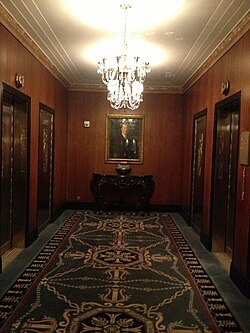
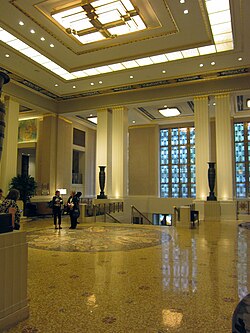
The ground level serves as a transition into a world of luxury, leading guests into the expansive Park Avenue lobby. This area is defined by its colonnades and an atmosphere of timeless elegance. The main lobby and foyer act as the heart of the hotel, facilitating the flow of high-profile guests and visitors.
The Grand Ballroom and Suites
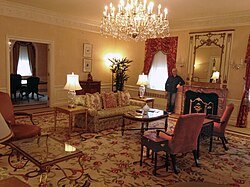
The third and fourth floors house some of the hotel's most prestigious areas, including the Grand Ballroom, a venue famous for hosting the International Debutante Ball. The guest accommodations range from lower-story rooms to upper-story suites and condominiums, including the legendary Presidential Suite.
A Hub for Global Politics and Power
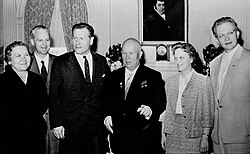
Throughout its history, the Waldorf Astoria has functioned as an unofficial annex to the United Nations, hosting heads of state and diplomatic summits. Its halls have witnessed pivotal meetings that shaped international relations during the Cold War and beyond.
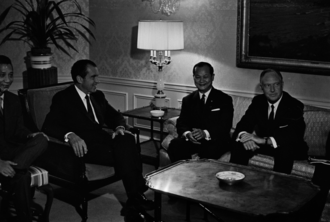
Notable diplomatic encounters include meetings between U.S. President Richard Nixon and South Vietnamese Foreign Minister Trần Văn Lắm in 1969, as well as gatherings of world leaders including Bill Clinton, Vladimir Putin, and Jiang Zemin in 2000.

Notable Residents
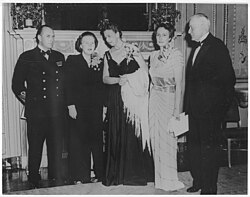
Beyond temporary guests, the hotel served as a permanent home for several influential figures. Former U.S. President Herbert Hoover resided in the Presidential Suite for 20 years, from 1944 until his death in 1964. Similarly, President Dwight D. Eisenhower maintained a residence at the hotel until 1969.
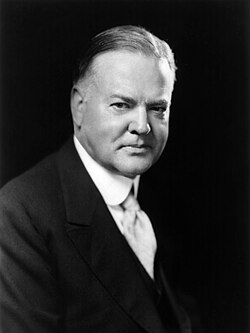
![Former US president Dwight D. Eisenhower maintained a residence at the hotel until his death in 1969.[290]](/images/6d/b2/6db29be1df3975ad4226bd6d58f71e1534dc1302954c50f008842da3301be995.jpg)
Culinary Excellence and Culture
The Waldorf Astoria is as famous for its cuisine as it is for its rooms. It has pioneered dishes and drinks that have become global standards, most notably the Waldorf Salad.
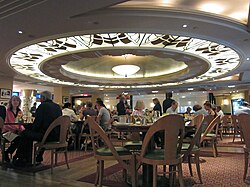
The hotel's dining landscape has evolved over decades, featuring iconic venues such as Peacock Alley, the Bull and Bear Steakhouse, and La Chine. Its influence on mixology is preserved in various cocktail books and the legendary bar culture of the mid-century.

Modern Evolution and Renovation
In recent years, the Waldorf Astoria has undergone a massive transformation. Following an acquisition by Anbang, the hotel closed in 2017 for an extensive renovation and conversion project. This $2 billion reinvention included the creation of luxury condominiums alongside the hotel's traditional rooms.
The renovation, which spanned from 2017 to 2025, focused on restoring the Art Deco splendor while integrating modern luxuries, including a Guerlain Wellness Spa and updated dining facilities. The hotel officially began its next chapter with a reopening in July 2025.
| Feature | Detail |
|---|---|
| Opening Date | October 1, 1931 |
| Architectural Style | Art Deco |
| Total Floors | 47 |
| Total Rooms | 375 |
| Key Restaurants | Peacock Alley, Bull and Bear, La Chine |
| Landmark Status | NYC Designated Landmark (Exterior & Interior) |
Frequently Asked Questions
Who designed the Waldorf Astoria New York?
The hotel was designed by the architectural firm Schultze & Weaver and opened in 1931.
Which U.S. Presidents lived at the hotel?
Herbert Hoover lived in the Presidential Suite for 20 years (1944–1964), and Dwight D. Eisenhower also maintained a residence there until 1969.
What is the significance of the hotel's landmark status?
The exterior was designated a New York City Landmark on January 5, 1993, and the interior (specifically the ground through fourth floors, partially) was designated on March 7, 2017, to preserve its historic Art Deco architecture.
What happened during the 2017–2025 renovation?
The hotel underwent a $2 billion renovation that included restoring its historic spaces and converting a portion of the property into luxury condominiums.
What is the Waldorf Salad?
The Waldorf Salad is a classic dish created at the hotel that has since become a globally recognized culinary staple.