Viracopos International Airport: A Hub for Brazilian Aviation and Logistics
Located in Campinas, São Paulo, Viracopos International Airport (VCP) stands as one of Brazil's most critical aviation gateways. From its humble beginnings as a wartime airfield to its current status as a massive logistics and passenger hub, Viracopos plays a pivotal role in connecting the interior of São Paulo with the rest of the world.
The airport is particularly renowned for its operational reliability. Because it rarely closes due to adverse weather—averaging only five days of closure per year—it serves as a vital alternate airport for the major hubs in Rio de Janeiro-Galeão and São Paulo.

Key Facts
- IATA Code: VCP | ICAO Code: SBKP
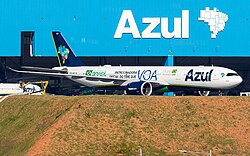
- Primary Hub: Main base for Azul Brazilian Airlines.
- Cargo Status: Second busiest cargo airport in Brazil.
- Runway: A single asphalt runway measuring 3,240 meters (10,630 ft).
- Operator: Managed by Aeroportos Brasil since 2012.
- Elevation: 661 meters (2,169 ft) above mean sea level.
A History of Growth and Modernization
The origins of Viracopos date back to the 1932 Constitutionalist Revolution, when a simple airfield was established near Campinas. Following World War II, the site began a steady transformation: the first runway was paved in 1946, a hangar was built in 1948, and the first terminal opened in 1950.
By 1960, the airport underwent a major upgrade with the construction of a 3,240-meter runway. This allowed Viracopos to accommodate the first generation of intercontinental jet aircraft, including the Boeing 707 and Douglas DC-8. The airport was officially inaugurated on October 19, 1960, welcoming its first international flight on the same day.

In 1995, the administrator Infraero launched a master plan to modernize the facility, with a heavy emphasis on cargo transportation. This led to several expansion phases between 2004 and 2005, resulting in new passenger lounges, commercial areas, and a revamped cargo terminal. In 2012, the airport's management transitioned to Aeroportos Brasil.
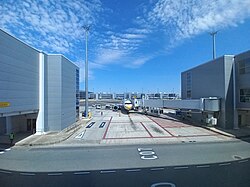
Logistics and Cargo Powerhouse
Viracopos is a cornerstone of Brazilian trade, operating as a major import and export hub. The facility boasts 77,000 square meters of cargo terminals, including specialized infrastructure such as 1,700 square meters for animal cargo and 1,480 cubic meters of refrigerated space.
To facilitate rapid trade, the airport utilizes "express lanes" for courier traffic, which are designed to be exceptionally efficient and unbureaucratic. This infrastructure supports a wide array of cargo operators, including DHL Aviation, FedEx Express, and Atlas Air.
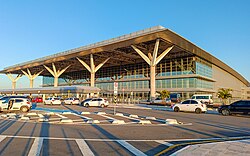
Passenger Operations and Connectivity
While cargo is a primary driver, passenger traffic has seen explosive growth. Between 2008 and 2011, passenger numbers jumped from 1.02 million to 7.5 million. This surge was largely driven by Azul Brazilian Airlines establishing Viracopos as its primary hub.
Today, the airport serves a diverse range of domestic and international destinations. While Azul dominates the network, other carriers such as Gol Linhas Aéreas and LATAM Brasil also operate flights to key cities like Brasília and Porto Alegre.
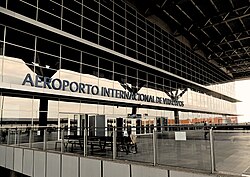
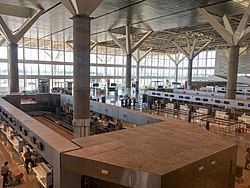
Airport Statistics and Infrastructure
The airport encompasses 1,766 hectares of property. Recent data from 2025 shows a steady recovery and growth in operations, with over 12.8 million passengers passing through the terminals.
| Metric | Value | Growth/Change |
|---|---|---|
| Annual Passengers | 12,826,553 | +3% |
| Aircraft Operations | 124,613 | +2% |
| Cargo Volume (Metric Tonnes) | 271,711 | +1% |
Frequently Asked Questions
Who operates Viracopos International Airport?
The airport was operated by Infraero from 1977 to 2012 and has been managed by Aeroportos Brasil from 2012 to the present.
Which airline uses Viracopos as its main hub?
Azul Brazilian Airlines uses Viracopos as its primary hub, which has significantly contributed to the increase in passenger traffic and flight frequency.
Why is Viracopos important for cargo in Brazil?
It is the second busiest cargo airport in Brazil, offering massive terminal space, specialized refrigerated and animal cargo areas, and efficient express lanes for couriers.
How reliable is the airport regarding weather?
Viracopos is highly reliable, closing an average of only five days per year due to bad weather, making it a preferred alternate for other major airports in the region.
What is the length of the runway at VCP?
The airport has one asphalt runway that measures 3,240 meters (10,630 feet) in length.