São Paulo/Congonhas–Deputado Freitas Nobre Airport
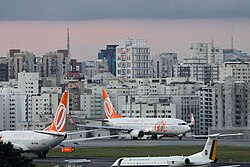
Located in the heart of Brazil's largest metropolis, the São Paulo/Congonhas–Deputado Freitas Nobre Airport (IATA: CGH, ICAO: SBSP) serves as a critical artery for domestic travel. Named after the Vila Congonhas neighborhood—which itself takes its name from the congonha-do-campo shrub—the airport is a cornerstone of São Paulo's infrastructure. While officially named after Deputy José Freitas Nobre since 2017, it remains widely known by its historical name, Congonhas.
The airport is owned by the City of São Paulo and has transitioned through different management eras, moving from the state-run Infraero (1977–2022) to the private operator AENA in 2022.
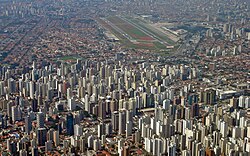
Key Facts

- Opened: April 12, 1936.
- Primary Hubs: Gol Linhas Aéreas and LATAM Brasil.
- Focus City: Azul Brazilian Airlines.
- Elevation: 803 meters (2,635 feet) above mean sea level.
- Operator: AENA (since 2022).
- 2025 Passenger Volume: Approximately 24.49 million.
Infrastructure and Operations
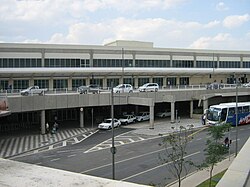
Congonhas is designed for high-efficiency domestic operations, utilizing two asphalt runways to manage its dense traffic flow. The airport's layout is characterized by its urban integration, making it one of the most accessible yet constrained airports in the region.
| Runway Direction | Length (m) | Length (ft) | Surface |
|---|---|---|---|
| 17R/35L | 1,883 | 6,173 | Asphalt |
| 17L/35R | 1,495 | 4,905 | Asphalt |
The terminal architecture reflects a blend of historical modernism and contemporary upgrades. In 2009, a significant investment of R$164.7 million was launched to prepare the facility for the 2014 FIFA World Cup. This project included the construction of a new control tower, apron renovations, and comprehensive updates to both the north and south portions of the passenger terminal.
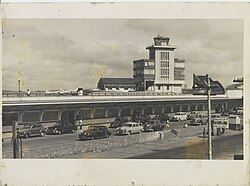
Terminal Evolution
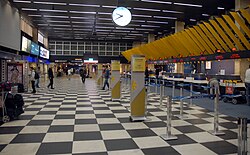
The check-in halls and interior spaces showcase a modified modern architectural style, evolving from the mid-century designs of the 1950s to meet the demands of millions of annual passengers.

Traffic and Growth Statistics
Congonhas has seen a steady recovery and growth in traffic following the global disruptions of 2020-2021. By 2025, the airport reached a passenger count of 24,491,178, representing a 6% increase over the previous year. Cargo movements have also seen a sharp rise, with 55,230 metric tonnes handled in 2025, a 30% increase from 2024.
Safety and Incident History
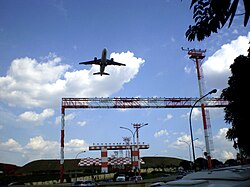
Given its location in a densely populated urban area, Congonhas has a documented history of aviation incidents. Early accidents in the 1940s and 50s were often linked to visibility and engine failures. A more recent significant event occurred on July 17, 2007, when TAM Flight 3054 overran runway 35L, resulting in the deadliest aviation accident in Brazilian history.
In response to these risks, the airport has implemented advanced safety measures. In 2022, an Engineered Materials Arrestor System (EMAS)—a specialized runway surface designed to decelerate aircraft that overrun the runway—was installed to prevent future tragedies.
Frequently Asked Questions
Who currently operates Congonhas Airport?
The airport is currently operated by AENA, which took over management from Infraero in 2022.
Which airlines use Congonhas as a primary hub?
Gol Linhas Aéreas and LATAM Brasil use the airport as a hub, while Azul Brazilian Airlines utilizes it as a focus city.
What is the significance of the EMAS installation?
The Engineered Materials Arrestor System (EMAS) is a safety feature installed in 2022 to stop aircraft that overrun the runway, reducing the risk of accidents in the surrounding urban area.
How has passenger traffic trended recently?
Traffic has grown steadily since 2021, reaching nearly 24.5 million passengers by 2025.
Why is the airport named Congonhas?
It is named after the Vila Congonhas neighborhood, which was originally the property of the Viscount of Congonhas do Campo and named after the congonha-do-campo shrub.