Viña del Mar: The Garden City of Chile
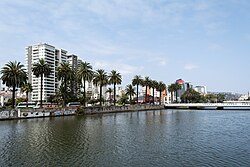
Known affectionately as La Ciudad Jardín (The Garden City), Viña del Mar is a stunning coastal destination located in the Valparaíso Region of Chile. As the most populous municipality in its region and the fourth-largest city in the country, it serves as a premier international resort and a vital part of the Greater Valparaíso metropolitan area. With its blend of manicured gardens, historic architecture, and vibrant beaches, the city offers a sophisticated contrast to its twin city, Valparaíso.
The city is characterized by its seamless integration with the coastline and its role as a cultural hub for the region, balancing a high quality of life with a bustling tourism industry.
Key Facts
- Population: 334,871 (2024 census).
- Nickname: La Ciudad Jardín (The Garden City).
- Climate: Warm-summer Mediterranean (Csb).
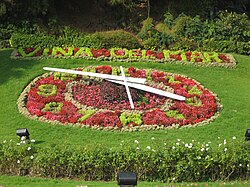
- Key Landmarks: Wulff Castle, Flower Clock, and Vergara Palace.
- Administrative Status: Municipality governed by a mayor and municipal council.
- Global Ties: Sister cities include Sausalito (USA) and Mar del Plata (Argentina).
History and Urban Evolution
Viña del Mar's transformation from a quiet coastal settlement into a world-class resort was driven by industrial and military growth in the late 19th and early 20th centuries. The establishment of the Refinadora de Azúcar de Viña del Mar (Sugar Refining Company) in 1873 and the founding of Lever, Murphy & Co. in 1883 provided the economic momentum necessary for expansion.
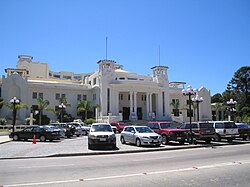
The early 20th century saw a surge in infrastructure, including the 1917 establishment of the Regimiento Coraceros and various naval facilities in Las Salinas. A pivotal moment occurred on December 31, 1930, with the opening of the city's casino, which catalyzed its reputation as Chile's leading international resort. This era of growth also saw the inauguration of the Presidential Palace in Cerro Castillo (1931) and luxury hotels like the O'Higgins (1936) and Miramar (1945).
Cultural and Sporting Milestones
The city has a rich sporting history, notably hosting matches during the 1962 FIFA World Cup. It is the home of CD Everton, a professional soccer team named after the English club, which plays at the Sausalito Stadium. This stadium is named after the city's sister city in California, while the main square in Sausalito is named "Viña del Mar" in reciprocity.
City Landmarks and Architecture
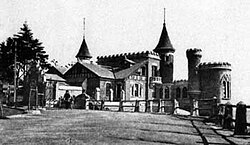
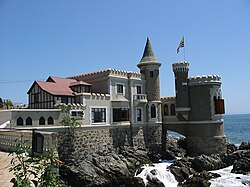
Viña del Mar is renowned for its eclectic and grand architecture. One of its most iconic structures is Wulff Castle, a neo-Tudor style building completed in 1906 by businessman Gustavo Wulff Mowle. This national monument features two floors connected by a medieval-style bridge and currently houses the municipal Heritage Unit.
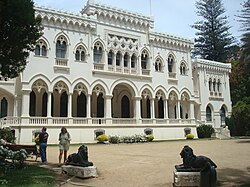
Another architectural gem is the Carrasco Palace, completed in 1923. Now serving as the Library Benjamín Vicuña Mackenna, the palace is a center for art and culture and is adorned with Auguste Rodin's sculpture, "La Defensa." Other notable sites include the Vergara Palace and the city's famous Flower Clock.
Geography and Climate

Located on the central coast of mainland Chile, Viña del Mar covers approximately 121.6 km². The city is conurbated with Concón to the north, Quilpué to the east, and Valparaíso to the south.
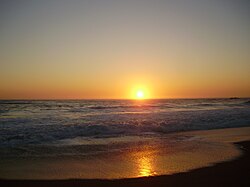
The city enjoys a warm-summer Mediterranean climate, heavily influenced by the cold Humboldt Current. This maritime influence prevents extreme heat, with summer temperatures rarely exceeding 30°C (86°F). Winters are cool and damp, with the majority of the annual 480 mm of rainfall occurring between autumn and winter, peaking in July.
Climate Summary Table
| Season | Typical Highs | Typical Lows | Characteristics |
|---|---|---|---|
| Summer (Dec-Feb) | 22.3°C to 23.4°C | 11.2°C to 12.4°C | Dry and warm; influenced by Humboldt Current. |
| Winter (Jun-Aug) | 15.0°C to 15.6°C | 7.0°C to 8.0°C | Damp and cool; rainiest period. |
| Spring/Autumn | Variable | Variable | Mild to cool transitions. |
Infrastructure and Economy
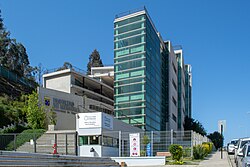
Viña del Mar is a hub for higher education, hosting faculties of the University of Valparaíso, as well as the University of Viña del Mar, Andrés Bello University, and Adolfo Ibáñez University. The city also maintains strong international ties through various honorary consulates, including those of Germany, Spain, and Morocco.
Transport is efficiently managed via the Valparaíso Metro (formerly Merval), a 43-kilometer commuter rail system. A significant 5-kilometer underground stretch serves the heart of Viña del Mar, connecting it to neighboring cities like Limache and Quilpué.
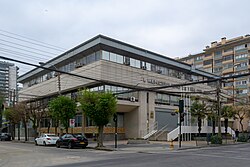
The city's healthcare is anchored by institutions such as the Dr. Gustavo Fricke Hospital, ensuring comprehensive medical services for the urban population.
Frequently Asked Questions

What is the population of Viña del Mar?
According to the 2024 census, the city and commune have a population of 334,871 inhabitants.
Why is Viña del Mar called "The Garden City"?
It is known as La Ciudad Jardín due to its extensive urban greenery, manicured parks, and floral landmarks like the Flower Clock.
What is the significance of Wulff Castle?
Wulff Castle is an iconic neo-Tudor building and a national monument that represents the city's early 20th-century architectural heritage.
How does the Humboldt Current affect the city's weather?
The cold Humboldt Current moderates the Mediterranean climate, keeping summer temperatures mild and preventing them from frequently exceeding 30°C.
Which professional sports teams are based in the city?
The city is represented in national football by CD Everton, which plays its home matches at the Sausalito Stadium.