Video Games: Evolution, Technology, and Industry Impact
A video game is an electronic game that relies on a user interface or input device to generate visual feedback on a display. Whether played on a television, a computer monitor, a handheld touchscreen, or through a virtual reality headset, these interactive experiences have evolved from simple laboratory experiments into a global cultural and economic powerhouse.
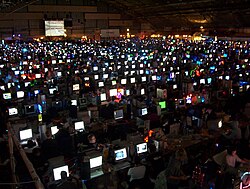
Modern gaming is a multisensory experience. While most games are audiovisual—utilizing speakers or headphones—many now incorporate haptic technology to provide tactile sensations. Furthermore, the integration of microphones and webcams has transformed gaming into a social activity, enabling real-time chatting and livestreaming.
Key Facts
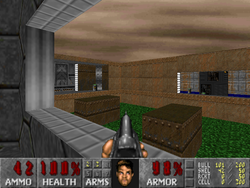
- First Consumer Game: Computer Space, released in 1971.
- Best-Selling Console: The PlayStation 2, with over 155 million units sold.
- Industry Pivot: The 1983 North American market crash led to a shift in dominance toward Japanese companies like Nintendo, Sega, and Sony.
- Modern Trends: A rise in "indie games" (independent development) and "games as a service" monetization.
- Diverse Platforms: Gaming spans arcades, home consoles, PCs, mobile devices, and cloud-based systems.
The Evolution of Gaming
Early Prototypes and the First Wave
The foundations of gaming were laid in the 1950s and 1960s with simple prototypes running on room-sized mainframe computers. One of the earliest examples was Tennis for Two (1958), which utilized an oscilloscope for its display.

By 1962, Spacewar! emerged as a significant early mainframe game. This inspired the first commercial arcade game, Computer Space, in 1971. Shortly after, 1972 saw the release of the iconic Pong and the Magnavox Odyssey, the first home console.


The Golden Age and the Great Crash
The late 1970s and early 1980s are known as the "golden age" of arcade games. However, this rapid growth ended abruptly with the North American video game crash of 1983. This collapse was caused by market saturation and a loss of publishing control.

Following the crash, the industry matured under the leadership of Japanese firms. These companies established the development and distribution standards that still govern the industry today.
The Modern Era: AAA and Indie Games
By the 2000s, the market was dominated by AAA games—high-budget productions with massive marketing. However, the rise of the internet and digital distribution created a vacuum for riskier, experimental projects, leading to the prominence of indie games in the 2010s.

Hardware and Platforms

Video games are primarily categorized by the hardware used to play them. This includes traditional platforms like home consoles and PCs, as well as more modern iterations like cloud gaming and augmented reality.
Common Gaming Platforms
- Home Consoles: Dedicated electronic devices connected to a TV, such as the PlayStation 2.
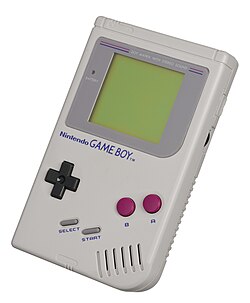
- Handhelds: Portable units with built-in screens and speakers, such as the Game Boy.
- Arcades: Coin-operated machines often found in public entertainment centers.
- PC and Mobile: Games played on personal computers, smartphones, or tablets.

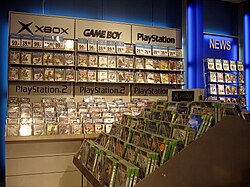
![The PlayStation 2 is the best-selling video game console, with over 155 million units sold.[45]](/images/da/c5/dac5d4c7345dbd36d268350cb3fee28e832cac004b49fe166798124a08c5cd64.jpg)

Input and Output Technology
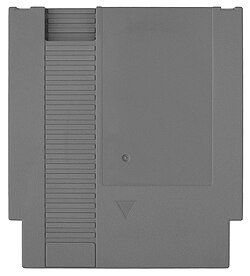
Interaction is achieved through various input devices, including joysticks, keyboards, and motion-sensing controllers. Output has evolved from simple 2D pixels to immersive 3D environments and Virtual Reality (VR) headsets that place the player directly inside the game world.


Classifications and Industry Standards

Games are classified by genre (style of gameplay) and mode. While most are designed for entertainment, some serve specific functional purposes.
| Game Type | Primary Purpose | Example/Characteristic |
|---|---|---|
| Core Games | Entertainment | Complex mechanics, high engagement |
| Casual Games | Entertainment | Simple rules, short sessions |
| Educational Games | Learning | Teaching specific academic skills |
| Serious Games | Training/Utility | Simulations for professional use |
| Art Games | Expression | Focus on aesthetic or emotional impact |
To protect consumers, industry bodies provide content ratings. These labels describe the nature of the game's content to help parents and players make informed decisions.

Societal Impact and Culture

Video games have transitioned from a niche hobby to a recognized form of art, with exhibits appearing in institutions like the Smithsonian American Art Museum. They are also used as tools for stress relief and mental health improvement.

However, the medium has not been without controversy. Debates have persisted regarding the link between violent game content and real-world behavior, though many studies suggest games can actually provide beneficial cognitive and emotional effects.

Frequently Asked Questions
What was the first consumer video game?
The first consumer arcade video game was Computer Space, released in 1971, which was inspired by the 1962 mainframe game Spacewar!.
What caused the video game crash of 1983?
The North American market crashed due to a saturation of the market and a significant loss of publishing control.
What is the difference between AAA and indie games?
AAA games are high-budget productions developed by large companies, while indie games are created by independent developers, often allowing for more experimental gameplay.
Which console is the best-selling of all time?
The PlayStation 2 holds the record as the best-selling video game console, with over 155 million units sold.
What are "serious games"?
Serious games are video games designed for a primary purpose other than pure entertainment, such as education, professional training, or health simulations.