Vegetarianism: History, Dietary Varieties, and Nutritional Science
Vegetarianism is a dietary practice centered on the consumption of plants, often excluding meat and other animal-derived products. While frequently associated with modern health trends, the practice is rooted in ancient spiritual and ethical traditions. From the concept of non-violence in India to the dietary guidelines of various global religions, vegetarianism encompasses a wide spectrum of nutritional choices and philosophical beliefs.
Key Facts
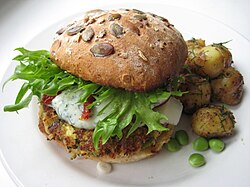
- Core Definition: A diet derived from plants, which may or may not include dairy, eggs, and honey.
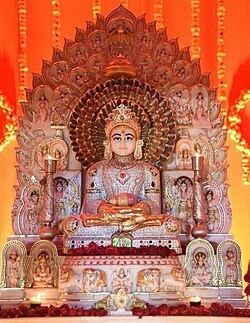
- Ancient Roots: Parshwanatha founded Jain vegetarianism in the 9th century BCE.
- Global Diversity: Practices range from strict veganism to semi-vegetarian diets like pescetarianism.
- Nutritional Focus: Key nutrients of attention for plant-based eaters include Vitamin B12, Iron, Calcium, and Vitamin D.
- Cultural Impact: In India, mandatory labeling (green for vegetarian, brown for non-vegetarian) helps consumers distinguish products.
The History and Evolution of Meat-Free Diets
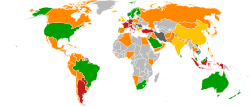
The origins of vegetarianism are deeply intertwined with the development of early civilizations and spiritual movements. In the Indian subcontinent, the practice was established early on, with figures like Parshwanatha promoting a lifestyle of non-violence.
Beyond India, East Asia also saw early adoption of meat-free diets. In Japan, Emperor Tenmu implemented bans on the killing and eating of meat as early as 675 CE.

The Mediterranean and ancient Greece also hosted early proponents of plant-based living, laying the groundwork for the diverse vegetarian movements seen in the early modern and modern eras.
Varieties of Vegetarian Diets
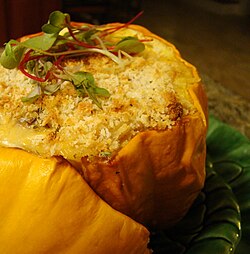
Vegetarianism is not a monolithic practice; it is categorized by which animal products are included or excluded. These diets are generally split between restrictive plant-based diets and semi-vegetarian options.
Primary Classifications
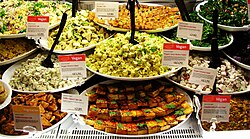
- Lacto-ovo vegetarianism: Excludes meat but includes both dairy and eggs.
- Lacto vegetarianism: Excludes meat and eggs but includes dairy.
- Ovo vegetarianism: Excludes meat and dairy but includes eggs.
- Veganism: Excludes all animal-derived products, including dairy, eggs, and honey.
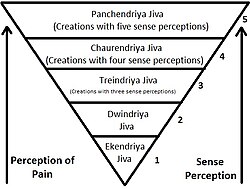
- Jain vegetarianism: A strict form of vegetarianism based on the value of Ahimsa (non-violence).
Semi-Vegetarian Diets
Some individuals follow diets that are primarily plant-based but allow certain types of animal proteins:
- Flexitarianism: Primarily plant-based but occasionally includes meat.
- Pollotarianism: Excludes red meat and seafood but includes poultry.
- Pescetarianism: Excludes land animals but includes seafood and freshwater fish.
Global Geography of Vegetarianism
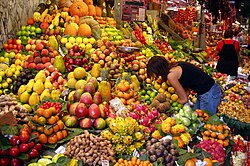
Certain locations are defined by their commitment to meat-free living. Some cities, such as Tirumala in Andhra Pradesh, India, and Cheremshanka in the Altai Republic of Russia, are known as locations where only vegetarian food is consumed within city limits.
Other regions are considered heavily vegetarian, including Bali in Indonesia, Chiang Mai in Thailand, and various Indian cities such as Bengaluru, Chennai, and Varanasi. In the United States, Loma Linda, California, is recognized for its high concentration of vegetarians.
Nutritional Science and Health

A well-planned vegetarian diet can provide all necessary nutrients, though certain vitamins and minerals require careful attention. Research often focuses on the impact of these diets on the cardiovascular system, diabetes, and overall mortality risk.
Essential Nutrients and Sources
Protein, iron, and calcium are fundamental components of a healthy diet. Vitamin B12 is particularly critical as it is primarily found in animal products, necessitating fortified foods or supplements for vegans.
Vitamin D is another key consideration. While Vitamin D3 is common in animal products, Vitamin D2 can be found in plants and fungi. For example, portabella mushrooms exposed to ultraviolet (UV) light are significant sources of Vitamin D2.
| Diet Type | Plants/Seeds | Dairy | Eggs | Honey | Seafood | Meat |
|---|---|---|---|---|---|---|
| Lacto-ovo | Yes | Yes | Yes | Yes | No | No |
| Lacto | Yes | Yes | No | Yes | No | No |
| Ovo | Yes | No | Yes | Yes | No | No |
| Vegan | Yes | No | No | No | No | No |
| Pescetarian | Yes | Maybe | Yes | Yes | Yes | No |
Ethics, Religion, and Environment
The motivation for vegetarianism often extends beyond health to include ethical and religious convictions. The ethics of killing for food and the treatment of animals in the dairy and egg industries are central themes for many.
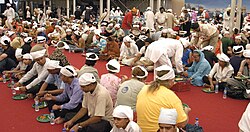
Many world religions incorporate vegetarian principles. These include Buddhism, Hinduism, Jainism, and the Seventh-day Adventist Church. In Sikhism, the langar (community kitchen) serves vegetarian meals to ensure all people can eat together as equals.
![Labeling is mandatory in India to distinguish vegetarian products (green) from non-vegetarian products (brown).[54]](/images/0f/14/0f14ee72058de2211b05eea6f8a94f5838f4440a8af040614fa47e26ff0e1911.webp)
Environmental and economic factors also play a role. The impact of meat production on the planet and the labor conditions within the meat and poultry industry have led many to adopt plant-based diets for ecological and humanitarian reasons.
Frequently Asked Questions
What is the difference between a vegetarian and a vegan?
A vegetarian generally avoids meat but may consume animal by-products like dairy, eggs, and honey. A vegan excludes all animal-derived products entirely from their diet.
What is Ahimsa and how does it relate to diet?
Ahimsa is the principle of non-violence toward all living beings. In Jainism, this value is the primary driver for a strict vegetarian diet to avoid causing harm to any creature.
Can vegetarians get enough Vitamin D?
Yes. While Vitamin D3 is common in animal products, vegetarians can obtain Vitamin D2 from certain plants and fungi, particularly mushrooms that have been exposed to UV light.
What are semi-vegetarian diets?
Semi-vegetarian diets are plant-forward patterns that occasionally include animal proteins. Examples include pescetarians (who eat fish) and pollitarians (who eat poultry).
How are vegetarian products identified in India?
In India, mandatory labeling is used to help consumers: a green dot indicates vegetarian products, while a brown dot indicates non-vegetarian products.