Vaudeville: The Heart of American Show Business
From the early 1870s until the early 1930s, vaudeville reigned as the premier form of variety entertainment across the United States and Canada. Often described as the "heart of American show business," it was a theatrical genre that blended a dizzying array of unrelated acts into a single performance bill. Whether it was a world-class opera singer, a daring acrobat, or a comedic sketch, vaudeville offered something for every taste, making it a cultural phenomenon that extended its reach into South America, Europe, and Australia.
A typical performance featured a series of separate acts grouped together. These included popular and classical musicians, singers, dancers, comedians, trained animals, magicians, ventriloquists, strongmen, acrobats, clowns, mimes, jugglers, and athletes. The bills also featured lecturing celebrities, one-act plays, and early films. Those who performed in these shows were known as vaudevillians.
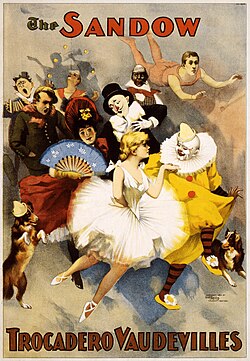
The Origins and Etymology of Vaudeville
The exact origin of the word "vaudeville" is debated, but several theories exist. One common belief is that it derives from the French voix de ville, meaning "voice of the city." However, the Oxford English Dictionary and other historians suggest it comes from Vau de Vire (Valley of the Vire), a region in Normandy known for its bawdy drinking songs. These satirical songs, written by poet Olivier Basselin in the 15th century, were later collected in 1610 as Le Livre des Chants nouveaux de Vaudevire, which likely served as the direct linguistic ancestor of the term.
The Evolution of Variety Entertainment
Vaudeville did not appear overnight; it evolved from a mixture of existing entertainment sources, including concert saloons, minstrelsy, freak shows, dime museums, and literary American burlesque. In the early 19th century, theatergoers already enjoyed mixed programs of Shakespeare and acrobatics, but the landscape was fragmented.
Before the rise of institutionalized vaudeville, itinerant amusements were common. Medicine shows traveled the countryside selling elixirs alongside comedy and juggling, while "Wild West" shows offered romanticized visions of the frontier. Minstrel shows, particularly those featuring "Dutch" (German or faux-German) comedians, also played a significant role in shaping early American mass culture.
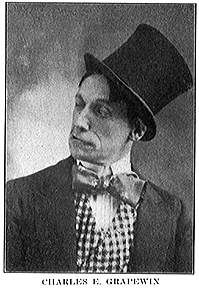
The Rise of "Polite Vaudeville"
In the mid-1860s, impresario Tony Pastor transformed the industry. A former circus clown and manager, Pastor recognized the spending power of the middle class. In 1865, he opened an "Opera House" on the Bowery in New York City, later moving to Broadway and Union Square. To attract women and families, Pastor implemented a strict code of conduct: he banned the sale of liquor, removed bawdy material, and even offered gifts like coal and hams to attendees.
By 1876, Pastor began using the term "vaudeville" instead of "variety." This "Polite Vaudeville" shifted the genre from the risqué atmosphere of saloons and burlesque houses to a family-friendly environment, setting the stage for a massive commercial expansion.
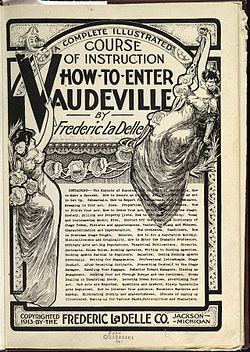
The Golden Age: Circuits and Stars
By the late 1890s, vaudeville had become a highly organized industry. The business shifted toward circuits—networks of theaters with standardized booking and a pool of skilled acts. Major players included the B.F. Keith Circuit, the Orpheum Circuit (which incorporated in 1919 with 45 theaters across 36 cities), and Alexander Pantages, who owned or controlled nearly 90 theaters in the U.S. and Canada.
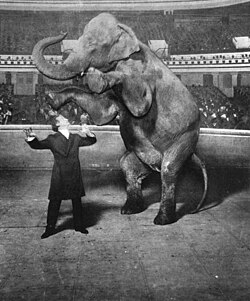
The era produced legendary performers across all demographics. Marie Dressler became a household name, and Harry Houdini captivated audiences with illusions, such as his 1918 act with Jennie, the Vanishing Elephant.
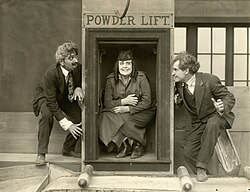
Diversity in Vaudeville
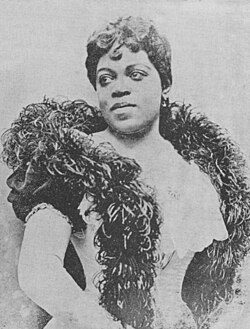
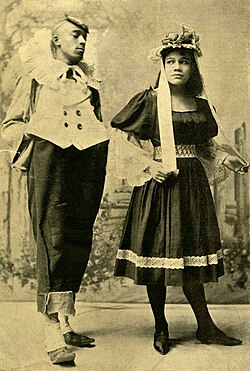
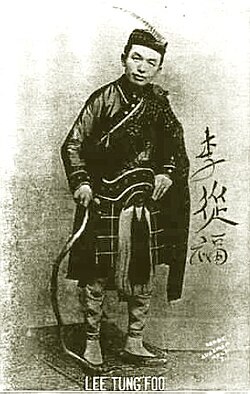
Vaudeville provided a platform for diverse talents, though often within the social constraints of the time. Sissieretta Jones, a world-renowned opera singer, managed her own touring company, Black Patti's Troubadours. Similarly, Albert and Mamie Anderson performed as a comedy duo and ran their own company, Lady Africa. Immigrant performers also found success, such as Chinese-American comedian Lee Tung Foo.
The Art of the Dance
Dance was a cornerstone of the vaudeville bill. Performers like Betty Felsen rose from ballet students to international stars. Partnering with Jack Broderick, Felsen toured the B.F. Keith and Pantages circuits, evolving her act from a simple duo into a massive production with over twenty dancers and a full orchestra. Her troupe, Ballet Caprice, performed its final show at New York's Palace Theater in June 1928.
The Decline of the Vaudeville Era
Vaudeville's decline was gradual rather than abrupt. By the late 1920s, the rise of cinema began to erode its popularity. Joseph Kennedy Sr. acquired the Keith-Albee-Orpheum Theatres Corporation (KAO), which managed over 700 theaters that had already begun integrating movies into their programs.
The symbolic end of the era occurred on November 16, 1932, when New York City's Palace Theatre—the epicenter of vaudeville—shifted to exclusively cinema presentations. This transition marked the "death knell" of the genre as a dominant live entertainment form.

Key Facts
- Timeline: Popular from the early 1870s to the early 1930s.
- Format: A variety show consisting of unrelated acts on a single bill.
- Key Figure: Tony Pastor pioneered "Polite Vaudeville" to attract middle-class families.
- Industry Structure: Organized into "circuits" (e.g., Orpheum, B.F. Keith, Pantages) for standardized booking.
- End of Era: The Palace Theatre's shift to cinema in 1932 is widely seen as the end of the vaudeville era.
| Circuit/Entity | Key Characteristics |
|---|---|
| Orpheum Circuit | Incorporated in 1919; 45 theaters in 36 cities across US and Canada. |
| Alexander Pantages | Owned 30+ theaters and controlled approximately 60 more. |
| B.F. Keith Circuit | One of the primary major circuits for high-profile acts. |
| KAO Corporation | Acquired by Joseph Kennedy Sr.; managed 700+ theaters during the transition to film. |
Frequently Asked Questions
What exactly was a vaudeville act?
A vaudeville act was a short, independent performance. These ranged from musical numbers, comedy sketches, and magic tricks to animal acts, acrobats, and short plays. A single evening's program would feature several of these unrelated acts in succession.
Who was Tony Pastor and why was he important?
Tony Pastor was an impresario who created "Polite Vaudeville." By removing alcohol and risqué content from his shows, he made variety entertainment acceptable for women and families, which expanded the audience and commercial viability of the genre.
What were vaudeville circuits?
Circuits were networks of theaters managed by a central organization. This allowed performers to book a series of dates across multiple cities (such as the Orpheum or Pantages circuits) rather than negotiating with each theater individually.
Why did vaudeville eventually disappear?
The primary cause was the rise of the motion picture industry. As cinema became more popular and theaters transitioned to exclusively showing films, the demand for live variety bills declined, culminating in the 1932 transition of the Palace Theatre.
Did vaudeville have a lasting influence on modern media?
Yes. The structure of the vaudeville variety show is a direct ancestor to network radio and television variety shows, including programs like The Ed Sullivan Show and Saturday Night Live.