Vasodilation: Mechanisms, Causes, and Clinical Impact
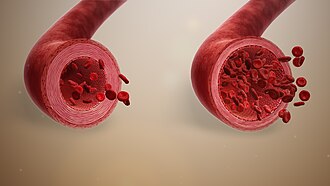
Vasodilation, also referred to as vasorelaxation, is the physiological process of widening blood vessels. This occurs when the smooth muscle cells within the walls of large veins, large arteries, and smaller arterioles relax. To understand this process, one must look at the structure of the vessel wall, which consists of an inner lining of endothelial tissue and a basal membrane (the lumen), surrounded by concentric layers of smooth muscle, and an outer layer called the adventitia.
Under normal conditions, the sympathetic nervous system maintains these vessels in a semi-constricted state. When these smooth muscles relax, the vessel dilates, allowing for a greater volume of blood to flow through.
How Vasodilation Affects the Body
The primary effect of vasodilation is a decrease in vascular resistance—the force that circulating blood must overcome to reach and nourish body tissues. When vessels widen, resistance drops, which typically leads to a decrease in overall blood pressure.
Furthermore, vasodilation influences cardiac output (the amount of blood the heart pumps per minute) by reducing the afterload, which is one of the four primary determinants of how the heart functions. Depending on the trigger, this response can be:
- Intrinsic: Driven by local processes in the surrounding tissue.
- Extrinsic: Triggered by the nervous system or hormones.
- Localized: Occurring in a specific organ to meet metabolic needs, such as during intense exercise.
- Systemic: Occurring throughout the entire systemic circulation.
Key Facts
- Vasodilation is the opposite of vasoconstriction (the narrowing of blood vessels).
- It reduces vascular resistance and lowers blood pressure.
- It is triggered by the relaxation of smooth muscle cells in vessel walls.
- Systemic vasodilation can lead to dangerously low blood pressure during severe allergic reactions.
- Common endogenous triggers include nitric oxide, histamine, and adenosine.
The Role of the Immune System
Vasodilation plays a critical role in severe allergic reactions known as anaphylaxis. During this state, the body experiences systemic vasodilation, respiratory dysfunction, gastrointestinal issues, and increased vascular permeability.
This reaction is triggered when complement proteins (C3a and C5a), known as anaphylatoxins, or Immunoglobulin E (IgE) antibodies bind to receptors on basophils and mast cells. This causes these cells to undergo degranulation, releasing compounds such as histamine and platelet-activating factor, which cause the blood vessels to widen rapidly and blood pressure to drop to dangerous levels.
Mechanisms and Causes of Vasodilation
Vasodilation is achieved through various chemical and electrical pathways that signal smooth muscle to relax. These are generally categorized by the mediator involved:
| Mechanism Class | Description | Example |
|---|---|---|
| Hyperpolarization-mediated | Blocks calcium channels to prevent muscle contraction | Adenosine |
| cAMP-mediated | Increases cyclic adenosine monophosphate | Prostacyclin |
| cGMP-mediated | Increases cyclic guanosine monophosphate (Nitrovasodilators) | Nitric Oxide |
Endogenous Vasodilators
The body produces several natural substances to regulate blood flow. These include nitric oxide, bradykinin, histamine, and various prostaglandins (D2, E2, and I2). Additionally, metabolic changes during muscle work—such as increased CO2, lactic acid, and adenosine—trigger local vasodilation to ensure working muscles receive enough oxygen.
Autonomic Nervous System Control
The nervous system manages blood flow through neurotransmitters. While norepinephrine typically causes vasoconstriction via alpha-1 receptors, other pathways can induce relaxation. For example, Acetylcholine (Ach) can cause vasodilation via M3 receptors on endothelial cells, which triggers the release of nitric oxide.
Clinical Treatments and Pharmacological Vasodilators
Medical professionals use various drugs to induce vasodilation for treating hypertension or heart conditions. These include:
- Direct Vasodilators: ACE inhibitors, Angiotensin II receptor blockers, and Calcium channel blockers.
- Blood Vessel Muscle Relaxants: Hydralazine and minoxidil.
- Alpha-2A Adrenergic Agonists: Drugs like clonidine and methyldopa that reduce sympathetic nervous system activity.
- Nitrates: Nitroglycerin and isosorbide dinitrate, which act as nitrovasodilators.
- PDE5 Inhibitors: Sildenafil (Viagra) and Tadalafil (Cialis), which indirectly enhance the effects of nitric oxide.
Other substances that can cause vasodilation include ethanol (alcohol), THC (the active component of cannabis), and certain amino acids like L-arginine and citrulline.
Frequently Asked Questions
What is the difference between vasodilation and vasoconstriction?
Vasodilation is the widening of blood vessels, which decreases vascular resistance and lowers blood pressure. Vasoconstriction is the narrowing of blood vessels, which increases resistance and raises blood pressure.
How does nitric oxide cause vasodilation?
Nitric oxide acts as a cGMP-mediated vasodilator. It signals the smooth muscle cells in the vessel walls to relax, thereby increasing the diameter of the vessel.
Why does blood pressure drop during anaphylactic shock?
During anaphylaxis, mast cells and basophils release large amounts of histamine and other mediators. This causes systemic vasodilation (widening of vessels throughout the body), which drastically reduces blood pressure.
What happens to blood flow during exercise?
During strenuous exercise, the body triggers localized vasodilation in the working muscles. This is caused by an increase in metabolic byproducts like CO2, adenosine, and potassium, which ensure the muscles receive increased blood flow and oxygen.
Which medications are commonly used to induce vasodilation?
Common medications include ACE inhibitors, calcium channel blockers, nitrates (like nitroglycerin), and PDE5 inhibitors, depending on whether the goal is to treat high blood pressure or improve blood flow to specific organs.