Valencia: A Journey Through Spain's Mediterranean Gem
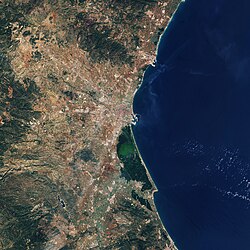
Perched on the eastern coast of Spain, Valencia is a vibrant metropolis where ancient history and futuristic ambition coexist. As the capital of the Valencian Community, it serves as a cultural hub known for its stunning architecture, Mediterranean lifestyle, and a rich tapestry of influences ranging from Roman settlers to Arab dynasties.
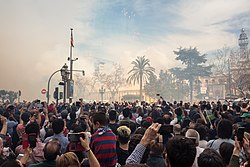
From the sun-drenched shores of Malvarrosa Beach to the avant-garde structures of the City of Arts and Sciences, Valencia offers a unique blend of tradition and innovation. Whether you are drawn by the scent of orange blossoms or the roar of the mascletà (traditional firecrackers), the city provides an immersive experience into the heart of Spanish culture.
Key Facts
- Founded: 138 BC as a Roman colony.
- Population: Approximately 824,340 in the municipality, with a metro population of over 2.6 million.
- Official Languages: Valencian and Spanish.
- Key Landmark: The City of Arts and Sciences, featuring Europe's largest aquarium.
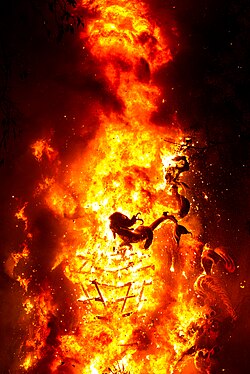
- Major Festival: Las Fallas, famous for its massive satirical monuments and fire.
- Geography: Located in the Horta of Valencia, with an average elevation of 15 meters.
A Timeline of History
Roman and Medieval Foundations
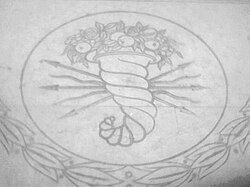
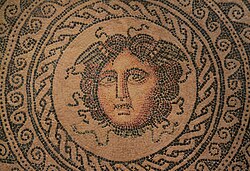
Valencia began as a Roman colony in 138 BC. Evidence of this era remains in the city's archaeological layers, including mosaics and symbols of prosperity like the cornucopia.
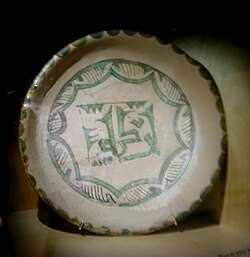
During the Middle Ages, the city underwent significant transformations under Arab rule, which left a lasting mark on the city's urban layout and craftsmanship, evidenced by 12th-century ceramics and architectural styles.
Modern Evolution and Resilience
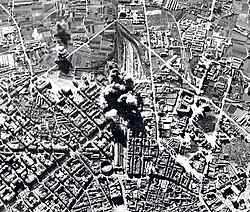
The city's growth continued through the Renaissance and the Baroque periods, though it faced hardships during the Peninsular War and the Spanish Civil War. In 1937, the city suffered bombings by the Italian Aviazione Legionaria.
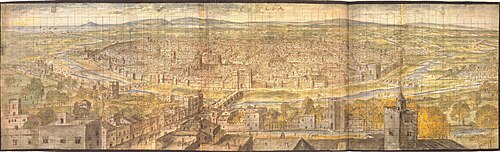
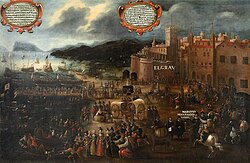
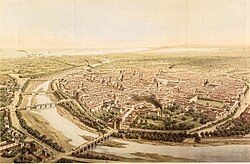
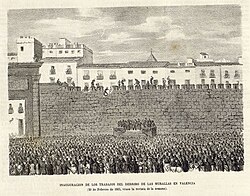
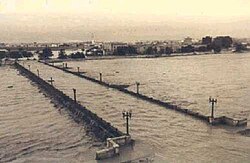
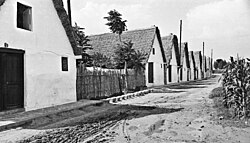
The late 19th and 20th centuries saw the removal of the city walls in 1865 to allow for urban expansion. The city also overcame natural disasters, most notably the devastating flood of 1957, which reshaped many of its residential neighborhoods.
Geography and Climate
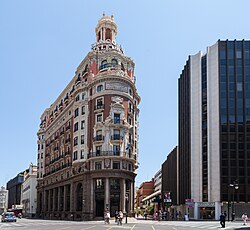
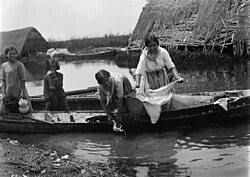
Valencia enjoys a Mediterranean climate characterized by mild winters and hot, humid summers. The city is situated in a fertile plain known as the Horta, which has historically supported extensive agriculture.
| Month | Mean Max Temp (°C) | Mean Min Temp (°C) | Precipitation (mm) | Sunshine Hours |
|---|---|---|---|---|
| January | 16.8 | 7.5 | 39 | 174 |
| April | 21.2 | 11.9 | 33 | 237 |
| July | 29.9 | 21.9 | 7 | 313 |
| October | 24.6 | 15.6 | 63 | 208 |
Cultural Landmarks and Architecture
The Historic Center
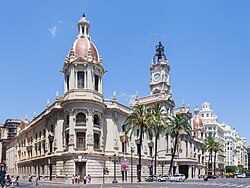
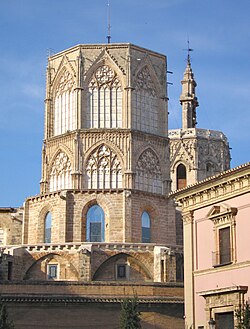
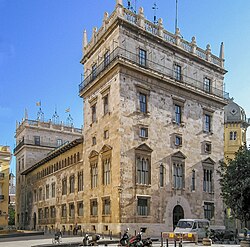
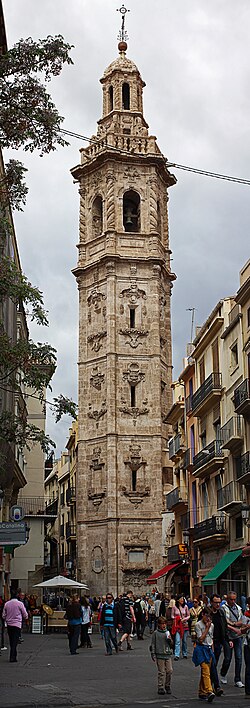
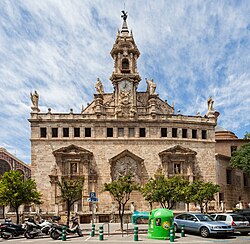
The Ciutat Vella (Old City) is home to the Valencia Cathedral, the Basilica of Our Lady, and the Llotja de la Seda (Silk Exchange), a UNESCO World Heritage site that reflects the city's mercantile golden age.
Modernist Marvels
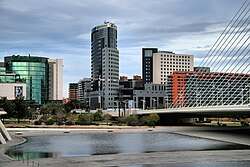
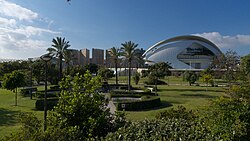
The skyline is now defined by the Ciutat de les Arts i les Ciències (City of Arts and Sciences), designed by architects Santiago Calatrava and Félix Candela. This complex includes L'Hemisfèric and L'Oceanogràfic, the latter being the largest aquarium in Europe, housing 45,000 animals of 500 species.
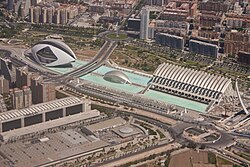
![L'Oceanogràfic, located within the complex of the Ciutat de les Arts i les Ciències, is currently the largest aquarium in Europe, housing 45,000 animals of 500 species.[131]](/images/a5/4a/a54adb2424308db0c0c4a958690757fcb1bfddd11a277783e05bc122d3538881.jpg)
Public Spaces and Leisure
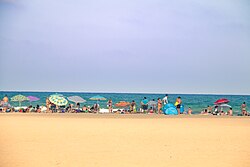
The Turia Garden, a lush park created in the former bed of the Turia River, provides a green lung for the city. For those seeking the coast, Malvarrosa Beach offers a wide promenade and Mediterranean breezes.
Sports and Infrastructure
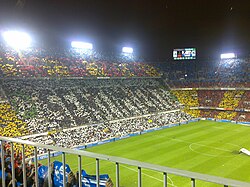
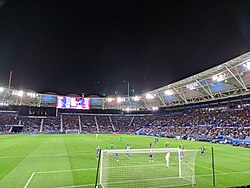
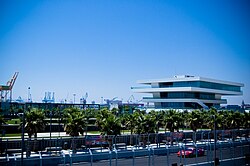
Valencia is a powerhouse of Spanish sport, particularly in football. The city hosts two major clubs: Valencia CF, playing at the historic Mestalla stadium, and Levante UD at the Estadi Ciutat de València.
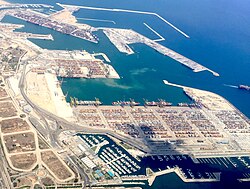
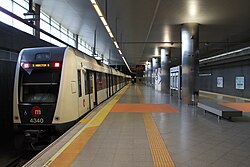
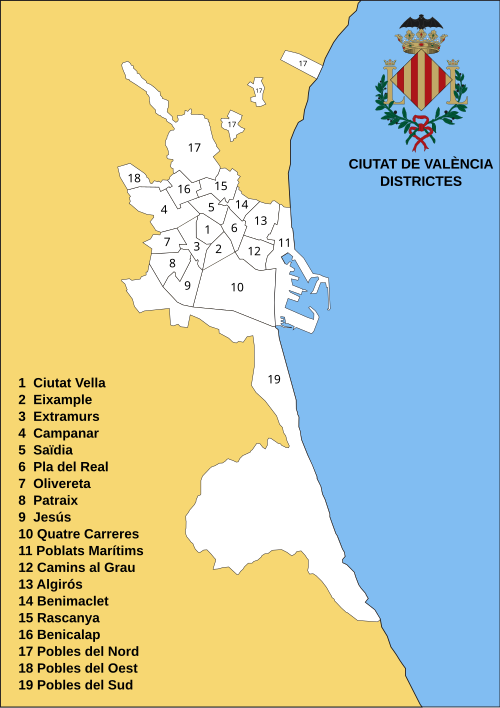
The city's infrastructure is supported by a modern port and the Metrovalencia rapid transit system, ensuring efficient movement across its 19 districts.
Traditions and Festivals
The most iconic event is Las Fallas, where the city fills with artistic monuments (ninots) that are eventually burned in a massive celebration known as la cremà.
Frequently Asked Questions
What is the City of Arts and Sciences?
It is a futuristic architectural and cultural complex designed by Santiago Calatrava and Félix Candela, featuring an opera house, a science museum, and L'Oceanogràfic, Europe's largest aquarium.
What are the official languages of Valencia?
The official languages are Valencian and Spanish.
What is the significance of the Llotja de la Seda?
The Silk Exchange is a Gothic masterpiece and UNESCO World Heritage site that symbolizes Valencia's historical importance in the silk trade.
When is the best time to visit for festivals?
Visiting during the Falles festival in March allows you to experience the city's most famous tradition of satirical monuments and fireworks.
How large is the population of the Valencia metropolitan area?
The metropolitan area has a population of approximately 2,656,841 people.