Used Book Sales: Markets, Pricing, and Circulation
The trade of pre-owned literature ensures that stories and knowledge remain accessible long after their initial publication. Used books enter the market through various channels, ranging from community-driven events to professional commercial enterprises, creating a sustainable ecosystem for readers and collectors alike.
How Used Books Enter the Market
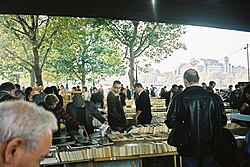
Most used books become available when individuals sell or donate them to specific venues. Common points of entry include second-hand shops, dedicated used bookstores, and church-organized book sales. While some shops specialize exclusively in pre-owned titles, it is common to find hybrid stores where new book shops carry used inventory, or used book shops offer a selection of new releases.
Pricing and Value
The cost of a second-hand book is typically determined by its condition and demand. Generally, these books are sold for approximately half or three-quarters of their original new price. However, this rule does not apply to all volumes.
Certain categories of books can command a premium, sometimes selling for more than their original retail price. These include:
- Rare books: Titles that are scarce or highly sought after.
- First editions: The first printing of a specific book.
- Antique books: Volumes of significant age.
- Out of print books: Titles that are no longer being published by the original publisher.
The Impact of Digital Commerce
The rise of online shopping has led to a general decrease in traditional book sales. Despite this trend, the digital era has introduced new avenues for the second-hand trade. Dedicated online retailers now allow individuals to sell books directly to the company, while other platforms facilitate sales through third-party marketplaces, connecting individual sellers with buyers globally.
Academic and Textbook Markets
The second-hand market is particularly vital for college textbooks. Due to the high cost of new academic materials, students frequently buy used copies or resell books they previously purchased at full price to recoup costs. These transactions typically occur through specialized second-hand markets or directly through the educational institution.
Key Facts
- Used books typically sell for 50% to 75% of their original price.
- Rare, antique, and first edition books can exceed their original retail value.
- Online retailers and third-party marketplaces have evolved to offset the decline in general physical book sales.
- Reselling textbooks is a common strategy for students to reduce educational expenses.
- Second-hand sales keep older titles in circulation, though authors and publishers do not profit from these subsequent sales.
| Book Category | Typical Pricing Trend | Common Market Source |
|---|---|---|
| Standard Used Books | 50% - 75% of new price | Used bookstores, church sales |
| Rare/Antique/First Editions | Potentially higher than new price | Specialized shops, collectors |
| College Textbooks | Discounted from full price | School markets, student resale |
Frequently Asked Questions
How much do used books usually cost?
Most used books are priced at about half or three-quarters of the cost of a new copy, although rare or high-demand books may cost more.
Do authors make money from the sale of used books?
No, the original authors and publishers do not benefit financially from the sale of a book once it has entered the second-hand market.
Where can I find out-of-print or antique books?
These types of books are often found in dedicated used book shops, which may carry first editions and rare volumes.
How has online shopping affected used book sales?
While general book sales decreased due to online shopping, new opportunities have emerged through dedicated online used book retailers and third-party marketplaces.
Why are college textbooks so common in the second-hand market?
Students often buy and sell textbooks second-hand to save on the high costs associated with purchasing new academic materials.