United States Postal Service: Operations, Infrastructure, and Modern Challenges
The United States Postal Service (USPS) serves as the backbone of American communication and commerce, operating under the jurisdiction of the U.S. federal government. Established through the Postal Clause of the United States Constitution, the agency is tasked with providing a universal service obligation, ensuring that mail delivery is available to all residents regardless of location.
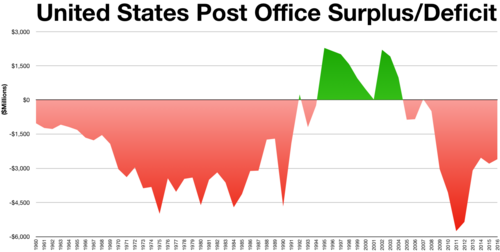
Led by Postmaster General David Steiner, the USPS manages a massive workforce of approximately 640,000 employees, comprising 525,377 career personnel and 114,623 pre-career staff as of 2024. While it operates as a critical piece of national infrastructure, the agency faces significant financial headwinds in an era of declining mail volume.

Key Facts
- 2024 Revenue: $80.5 billion.
- 2024 Net Income: −$9.5 billion.
- Workforce: Approximately 640,000 total employees.
- Legal Basis: The Postal Clause of the U.S. Constitution.
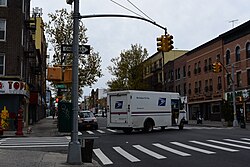
- Fleet Modernization: Plans to purchase over 165,000 Next Generation Delivery Vehicles (NGDVs).
Postal Infrastructure and Delivery Process
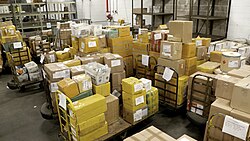
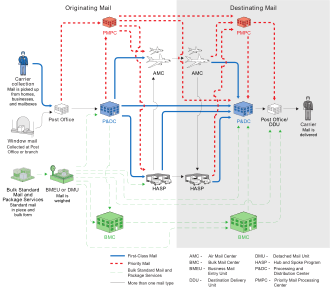
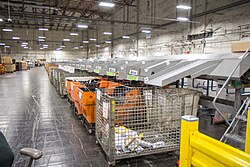
The movement of mail relies on a complex network of facilities and logistics. The Evolutionary Network Development (END) program has refined how mail is processed through specific facility types:
- Local Processing Centers (LPCs): These facilities handle the cancellation of mail and process single-piece letters and flats.
- Destination Processing Centers (DPCs): These centers sort mail for specific individual letter-carrier routes.
- Airport Transfer Centers (ATCs): These serve exclusively as transfer points for air mail.
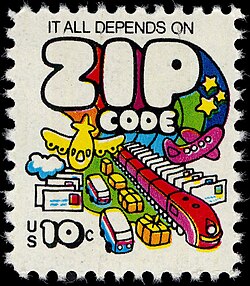
To ensure accuracy and efficiency, the USPS utilizes Delivery Point Validation and the Intelligent Mail barcode to track and route items. The introduction of the ZIP Code in the early 1960s further streamlined this process by providing a numerical system for geographic sorting.
Types of Delivery and Facilities
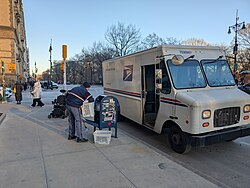
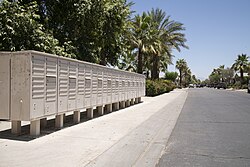
Mail is delivered through various means, from traditional door-to-door service to cluster boxes (centralized mailboxes for multiple residents). While proposals were made in 2013 and 2014 to replace door-to-door delivery with cluster boxes or curbside mailboxes, the agency continues to maintain a diverse delivery model.
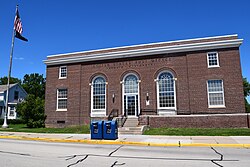
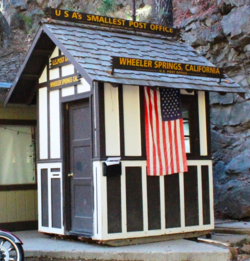
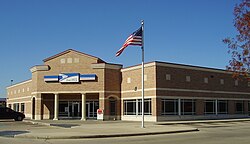
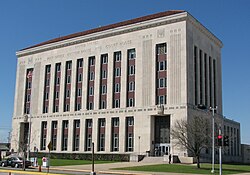
Post office locations vary wildly in scale and form, ranging from the historic main post offices listed on the National Register of Historic Places to specialized installations like floating post offices in Alaska or the smallest post offices in the country.

Fleet and Logistics
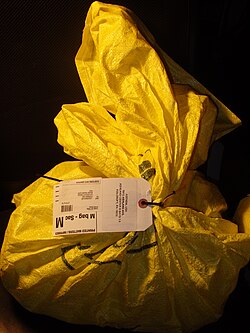
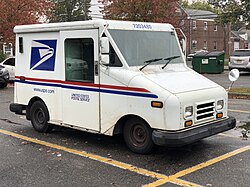
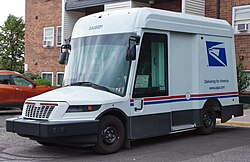
The USPS fleet is currently undergoing a major transition. For decades, the Grumman LLV (Long Life Vehicle), manufactured between 1987 and 1994, was the standard for city delivery. However, the agency is now moving toward the Next Generation Delivery Vehicle (NGDV) to modernize its operations and improve efficiency.
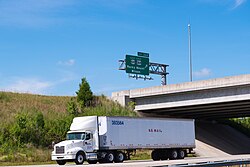
Beyond local trucks, the USPS logistics network includes contractor-operated semi-trucks and a history of air transport, including the use of Boeing 727-200 aircraft for long-haul mail movement.

Financial Health and Operational Reform
The USPS operates under a unique model where it is expected to be self-funding, yet it maintains a postal monopoly on certain types of mail to ensure universal service. In recent years, the agency has struggled with a significant decline in First-Class mail volume, leading to substantial net losses.
To combat these losses, the agency has implemented several strategies:
- Rate Increases: Periodic adjustments to postage prices to offset inflation and declining volumes.
- Delivering for America: A comprehensive reform plan designed to modernize the network and stabilize finances.
- Service Adjustments: While the elimination of Saturday delivery was once proposed to cut costs, it was ultimately averted.
Specialized Services and Law Enforcement
The USPS does more than deliver letters. It provides critical financial services and handles international mail, though it has discontinued some international surface mail options in favor of partners like Asendia USA and Globegistics.
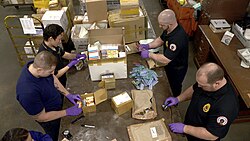
Because the mail system is a target for illegal activity, the USPS maintains its own law enforcement arms. The Postal Inspection Service and the Office of Inspector General investigate mail fraud and illegal shipments, often collaborating with the FDA to intercept illegal drugs.

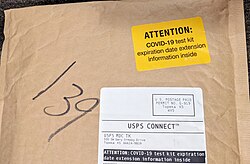
The agency also plays a vital role in public health emergencies, as seen during the COVID-19 pandemic when the USPS was utilized to distribute test kits to millions of Americans.
Summary of USPS Operations
| Category | Details |
|---|---|
| Annual Revenue (2024) | $80.5 Billion |
| Net Income (2024) | −$9.5 Billion |
| Total Employees | ~640,000 |
| Primary Vehicle Transition | Grumman LLV → NGDV |
| Key Facilities | LPCs, DPCs, and ATCs |
Frequently Asked Questions

What is the universal service obligation?
The universal service obligation is the legal requirement for the USPS to provide a basic level of mail service to every address in the United States, regardless of the cost of delivery to that specific location.
Why is the USPS replacing its fleet with NGDVs?
The USPS is replacing the aging Grumman LLV fleet with Next Generation Delivery Vehicles (NGDVs) to improve safety, efficiency, and operational reliability, with plans to acquire over 165,000 new vehicles.
How does the USPS handle illegal shipments?
The USPS utilizes the Postal Inspection Service and the Office of Inspector General to monitor mail. They often work with other agencies, such as the FDA, to inspect packages and intercept illegal drug shipments.
What are the different types of processing centers?
The network consists of Local Processing Centers (LPCs) for initial processing and cancellation, Destination Processing Centers (DPCs) for sorting mail into specific carrier routes, and Airport Transfer Centers (ATCs) for air mail logistics.
How is postage paid for bulk mailings?
Postage for bulk mailings can be paid using pre-cancelled stamps, postal meters, or prepaid envelopes, as well as various electronic PC Postage methods.