United States Postal Service: Operations, History, and Modern Evolution
The United States Postal Service (USPS) serves as a vital pillar of American infrastructure, fulfilling a unique mandate to provide universal service across the nation. Established as an independent agency of the U.S. federal government, it transitioned from the former United States Post Office Department to its current form. Today, the agency is led by Postmaster General David Steiner and manages a massive workforce to ensure mail reaches every corner of the country.

Key Facts
- Headquarters: Washington, D.C.
- Workforce: Approximately 640,000 employees (as of 2024).
- Revenue: $80.5 billion (2024).
- Legal Basis: The Postal Clause of the United States Constitution.
- Executive Leadership: Postmaster General David Steiner.
Organizational Overview and Workforce
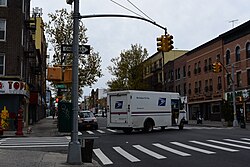
As of 2024, the USPS employs roughly 640,000 individuals, consisting of 525,377 career personnel and 114,623 pre-career personnel. This vast workforce is essential for managing the complex logistics required to maintain the universal service obligation—the requirement to provide mail service to all Americans regardless of location.
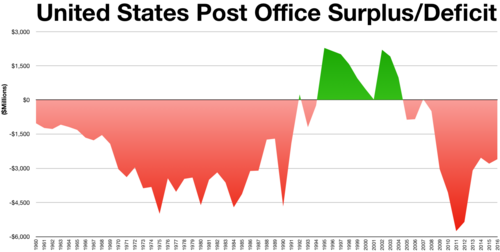
The agency operates under a complex financial and regulatory framework. While it generates significant revenue, it has also faced financial challenges, reporting a net income of -$9.5 billion in 2024. These financial fluctuations are often tied to declining mail volumes and the costs associated with maintaining a massive physical network.
The Logistics of Mail Delivery
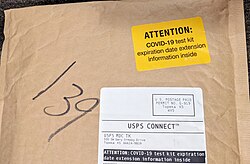
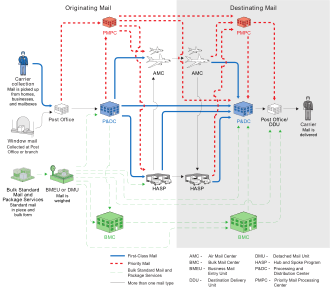
The journey of a piece of mail involves a sophisticated network of facilities designed for efficiency. The Evolutionary Network Development (END) program helps manage these various nodes:
- Local Processing Centers (LPC): These facilities process single-piece letters and flats and handle mail cancellation.
- Destination Processing Centers (DPC): These centers sort mail specifically for individual letter-carrier routes.
- Airport Transfer Centers (ATC): These serve as dedicated transfer points within the network.
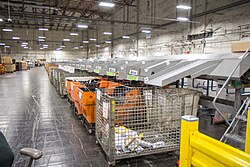
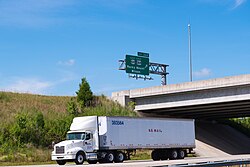
Once sorted, mail is moved through various channels, including airline and rail divisions. For international shipments, the USPS has discontinued international surface mail, offering alternatives such as Asendia USA and Globegistics.

Addressing and Postage
To ensure accuracy, the USPS utilizes Delivery Point Validation. Customers can pay for postage through several methods, including:
- Pre-cancelled stamps for bulk mailings
- Postal meters
- Prepaid envelopes
- PC Postage and other electronic methods

Fleet and Infrastructure Evolution
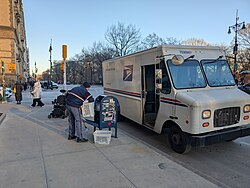
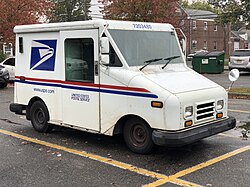
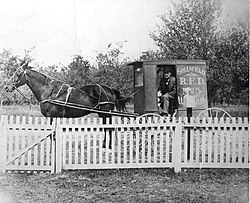
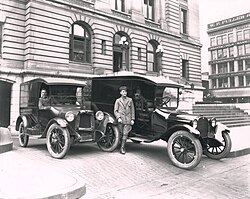
The USPS fleet is currently undergoing a significant transformation. While many older vehicles, such as the Grumman LLV (manufactured between 1987 and 1994), remain in service, the agency is moving toward modernization. A major part of this strategy involves electrifying the fleet and introducing the Next Generation Delivery Vehicle (NGDV). The USPS plans to purchase over 165,000 NGDVs to improve efficiency.
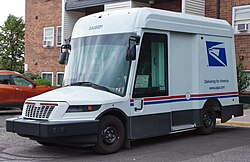
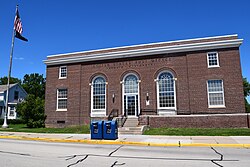
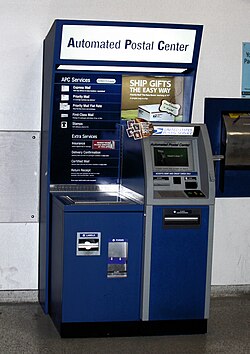
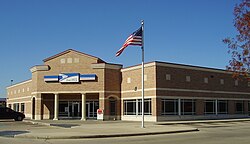
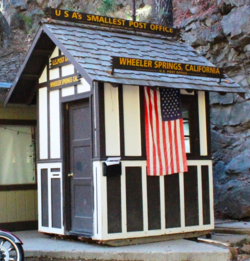
Beyond vehicles, the physical infrastructure includes everything from historic post offices to modern 24-hour Automated Postal Center kiosks. In some remote areas, the service is so specialized that it even includes floating post offices.

Summary of USPS Operations

| Category | Details |
|---|---|
| Primary Jurisdiction | U.S. Federal Government |
| Key Facilities | LPCs, DPCs, and ATCs |
| Delivery Methods | Direct delivery, customer pickup, and special delivery |
| Modernization Focus | NGDV procurement and fleet electrification |
Law Enforcement and Security
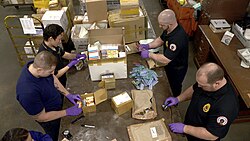
To protect the integrity of the mail, the USPS maintains specialized law enforcement arms. The Postal Inspection Service and the Office of Inspector General work to prevent mail theft, fraud, and other illegal activities. This includes inspecting packages for illegal shipments and maintaining a presence through specialized patrol vehicles.

Frequently Asked Questions



What is the legal basis for the USPS?
The USPS derives its authority from the Postal Clause of the United States Constitution (Article I, Clause 8, Section 7).
How does the USPS handle international mail?
While the USPS provides various international services, it has discontinued international surface mail. Customers can use alternative providers like Asendia USA or Globegistics for these needs.
What are the different types of processing centers?
The network includes Local Processing Centers (LPCs) for initial processing, Destination Processing Centers (DPCs) for route-specific sorting, and Airport Transfer Centers (ATCs) for transit.
How is the USPS fleet changing?
The USPS is transitioning its fleet by introducing the Next Generation Delivery Vehicle (NGDV) and focusing on electrification to modernize its delivery capabilities.
What methods can be used to pay for postage?
Postage can be paid using pre-cancelled stamps for bulk mail, postal meters, prepaid envelopes, or various electronic methods like PC Postage.