The Evolution of American Postage: From Stampless Letters to Forever Stamps
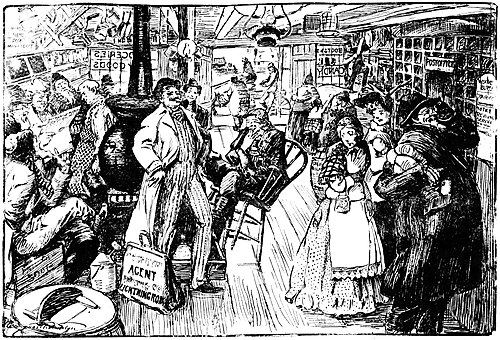
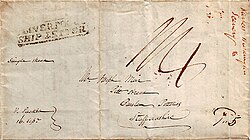
The history of the United States postal service is a journey from disorganized local deliveries to a sophisticated national network. In the earliest days, mail delivery was a haphazard affair. Before the advent of modern stamps, many letters were stampless, meaning they bore no physical mark of payment; instead, the cost was often borne by the person receiving the letter. In some instances, ship captains arriving at ports would even advertise in local newspapers, listing the names of individuals with incoming mail so they could collect and pay for their correspondence.
As the nation grew following the Revolutionary War, a more structured national postal system began to emerge. This evolution saw the transition from private mail carriers and provisional post offices—temporary local offices that issued their own unique stamps—to a unified system of universal prepayment. This shift was solidified with the introduction of nationally issued adhesive postage stamps, which eventually made prepayment the standard for all mail.
Key Facts
- First National Stamps: Issued by the U.S. government on July 1, 1847, in 5¢ and 10¢ denominations.
- Mandatory Use: The use of adhesive postage stamps became mandatory in 1855.
- Commemorative Shift: In the 1890s, the Post Office began issuing stamps as collectibles to increase revenue.
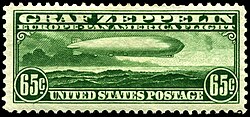
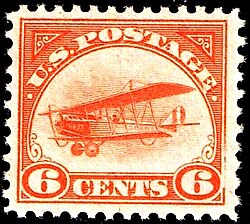
- First Airmail: Airmail stamps were introduced in 1918.
- Forever Stamps: Introduced in 2007, these stamps maintain a constant value regardless of rate increases.
The Era of Provisional and Early National Stamps
Provisional Post Offices
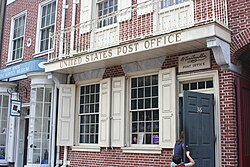
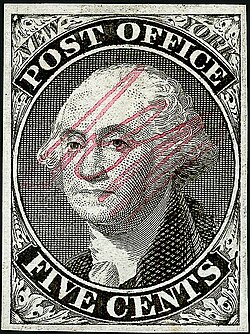
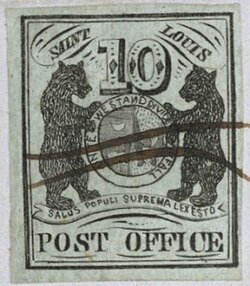
Before the federal government standardized postage, various local postmasters issued their own provisional stamps. These were unique to specific locations, such as New York, St. Louis, and Baltimore. These local issues served as a bridge between the era of hand-written "paid" marks and the official national issues.
The First Official Issues
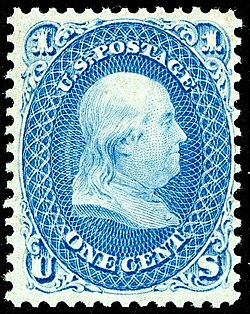
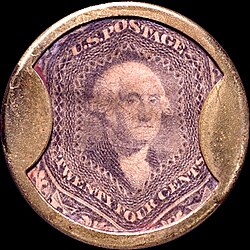
The turning point for American mail arrived on July 1, 1847, when the U.S. government authorized the first official adhesive postage stamps. These were issued in two denominations: a 5¢ stamp featuring Benjamin Franklin and a 10¢ stamp featuring George Washington. While these stamps revolutionized the system, they remained in circulation for only a few years before being declared invalid on July 1, 1851.
![Benjamin Franklin — George Washington The First U.S. Postage Stamps, issued 1847. The first stamp issues were authorized by an act of Congress and approved on March 3, 1847.[20] The earliest known use of the Franklin 5¢ is July 7, 1847, while the earliest known use of the Washington 10¢ is July 2, 1847. Remaining in postal circulation for only a few years, these issues were declared invalid for postage on July 1, 1851.[21]](/images/ea/6c/ea6c3c1479e47864ae47b0ec78d3ef3dfc4c78fdcec168733af9e22d434e0bd6.jpg)
Innovation and Expansion in the 19th Century
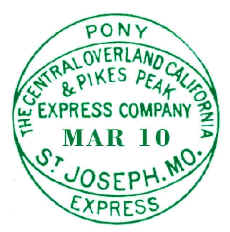
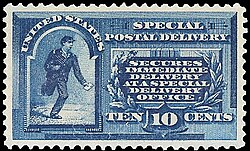
As the 19th century progressed, the postal service introduced various specialized services and technologies to meet the needs of a growing country. This included the famous Pony Express, which provided rapid mail delivery across the West, and the introduction of Special Delivery services in 1885.
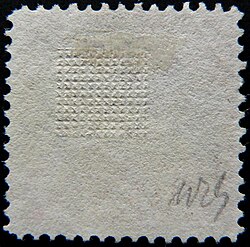
Technological advancements also changed how stamps were manufactured and used. The introduction of perforations (small holes that allow stamps to be easily separated) in 1857 made handling much more efficient. Additionally, the Post Office introduced postage due stamps, which were applied to letters with insufficient postage, requiring the recipient to pay the difference upon delivery.
The Rise of Commemorative and Special Interest Stamps
From Utility to Collectibility
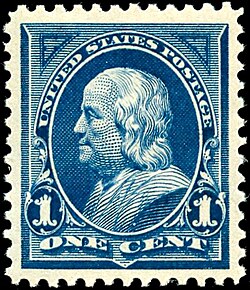
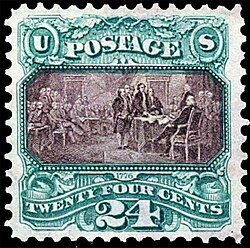
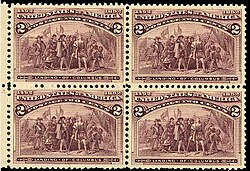
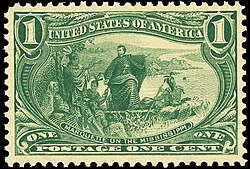
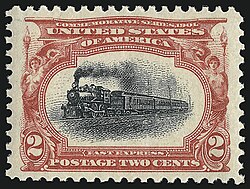
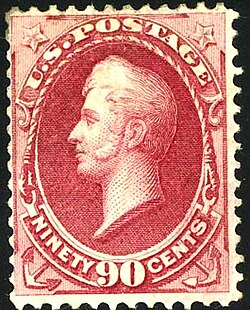
For much of the 1800s, stamps were primarily functional, often featuring the busts of American presidents or statesmen. However, during the 1890s, the Post Office recognized the revenue potential of commemorative stamps—stamps issued to honor significant historical events or national expositions. This transformed stamps from mere tools of commerce into highly sought-after collectibles.
Specialized Mail Services
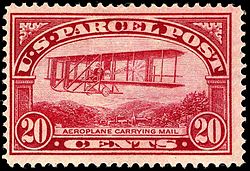
As transportation evolved, so did the stamps. The 20th century saw the introduction of stamps specifically for airmail, zeppelin mail (for airships), and parcel post. One notable milestone occurred in 1912, when a 20¢ parcel post stamp featured an airplane, marking the first time an aircraft appeared on a U.S. postage stamp.
Modern Era: Design, Technology, and "Forever" Stamps
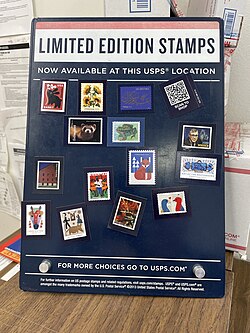
In the mid-to-late 20th century, stamp design became increasingly diverse. The 1973 release of the "Love" stamp, based on Robert Indiana's pop art, signaled a move toward more artistic and culturally resonant designs. The postal service also experimented with technology, introducing the first self-adhesive stamps in 1974, though they did not become widely popular until the late 1980s.

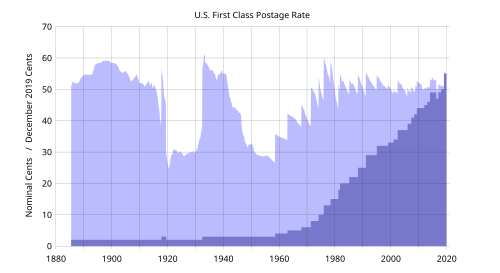
Today, the most significant innovation for consumers is the Forever stamp. Introduced in 2007, these stamps allow customers to purchase postage at a current rate that remains valid even if postal rates increase in the future. This has largely replaced the need for traditional "manual" gummed stamps for many users.
Summary of Postal Evolution
| Era/Year | Major Development | Significance |
|---|---|---|
| Pre-1847 | Stampless Mail | Cost was often paid by the recipient. |
| 1847 | First National Stamps | Standardized prepayment with 5¢ and 10¢ issues. |
| 1857 | Perforated Stamps | Easier separation of individual stamps. |
| 1893 | Commemorative Stamps | Shift toward stamps as historical and collectible items. |
| 1918 | Airmail Stamps | Supported the rise of aviation-based mail delivery. |
| 2007 | Forever Stamps | Postage that maintains value despite rate changes. |
Frequently Asked Questions
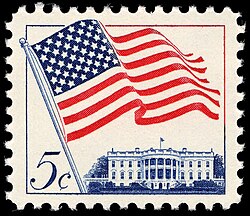
![5¢ George Washington Regular Issue, 1962[49]](/images/e9/59/e95923de1d164d5f2c279005bbcfb795a1cc644c11cb05e1a0caad1af27588bd.jpg)
What were provisional stamps?
Provisional stamps were temporary postage issues created by local postmasters before the U.S. government established a standardized national system. They were unique to specific cities or regions.
When did the U.S. start issuing commemorative stamps?
The Post Office began issuing commemorative stamps in the 1890s, initially to celebrate important national expositions and significant historical anniversaries.
What is the difference between a regular stamp and a Forever stamp?
A regular stamp is issued at a specific current rate. A Forever stamp is a type of postage that always provides the current first-class mail rate, even if the price of a standard stamp increases later.
Why were the first national stamps only used for a few years?
The first national issues from 1847 were replaced when new postal regulations and issues were implemented, leading to them being declared invalid for postage on July 1, 1851.
How did the Pony Express impact mail delivery?
The Pony Express was a specialized service used to provide rapid mail delivery, particularly across the western regions of the United States, during the mid-19th century.