Unilever: A Global Leader in Consumer Goods
Unilever is one of the world's most prominent public companies operating in the consumer goods industry. With a presence in nearly every corner of the globe, the company manages a vast portfolio of brands spanning food, refreshments, personal care, and home care. Headquartered at Unilever House in London, England, the organization is a major component of the FTSE 100 and is traded on several major exchanges, including the London Stock Exchange (LSE: ULVR), Euronext Amsterdam (UNA), and the New York Stock Exchange (UL).
The company's reach is immense, providing essential daily products to billions of consumers. From the breakfast table to the bathroom mirror, Unilever's influence on global consumption patterns is significant, driven by a strategy of diversification and strategic acquisitions.
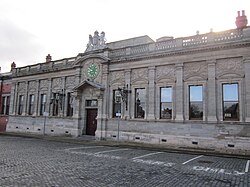
Key Facts
- Founded: 1930 through the merger of Lever Brothers and Margarine Unie.
- Founders: William Hulme Lever, Anton Jurgens, and Samuel van den Bergh.
- Financials (2025): Reported revenue of €50.503 billion and net income of €10.011 billion.
- Workforce: Employed approximately 125,000 people as of 2026.
- Global Reach: Operates worldwide with a diverse product range including foods, beauty products, and cleaning agents.
Corporate History and Evolution
Unilever was established in 1930, marking the unification of two industry giants: the soap-making Lever Brothers and the margarine-producing Margarine Unie. This merger created a powerhouse capable of leveraging shared raw materials, such as oils and fats, across different product lines.
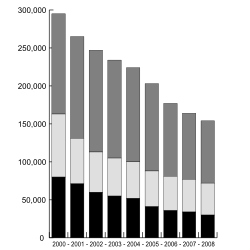
Over the decades, the company evolved through various stages of growth and restructuring. Between 2000 and 2008, Unilever underwent a significant workforce reduction, decreasing its global headcount by 41%, from 295,000 to 174,000 employees. This period reflected a broader shift toward operational efficiency and strategic realignment.
The company's legal and corporate structure has also seen major changes. After years of operating with a dual-headed structure, Unilever completed the unification of its corporate structure in November 2020, consolidating its headquarters in London.
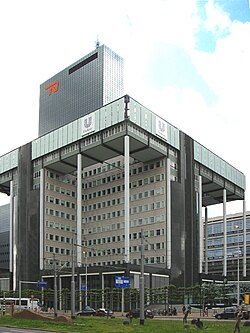
Product Portfolio and Market Presence
Unilever's operations are divided into several core categories, ensuring that the company remains resilient across different market sectors. Its offerings include:
- Foods and Refreshments: This includes condiments, dairy products, ice cream, tea, instant coffee, baby food, instant noodles, and breakfast cereals.
- Beauty and Personal Care: A wide array of skincare, hair care, and hygiene products, including toothpaste and various beauty brands.
- Home and Health Care: Cleaning agents, water and air purifiers, as well as pharmaceutical and consumer healthcare products.
- Specialized Goods: Pet food, bottled water, and soft drinks.
Financial Performance Summary
The company has maintained a strong financial position over the last decade, with assets peaking near €80 billion in recent years. The following table provides a snapshot of Unilever's financial trajectory.
| Year | Revenue (€ Billion) | Net Income (€ Billion) | Total Assets (€ Billion) | Employees |
|---|---|---|---|---|
| 2015 | 53.272 | 4.909 | 32.279 | 169,000 |
| 2020 | 50.724 | 5.581 | 67.659 | 149,000 |
| 2022 | 60.073 | 8.269 | 77.821 | 127,000 |
| 2025 | 50.503 | 10.011 | 70.471 | 125,000 (2026) |
Corporate Responsibility and Challenges
As a global entity, Unilever has faced various challenges and controversies. The company has been scrutinized over environmental issues, specifically regarding palm oil sourcing and plastic pollution. In response, Unilever has committed to reducing its use of virgin plastic and promoting sustainable agriculture.
Other legal and ethical hurdles have included price-fixing allegations, lawsuits regarding vegan mayonnaise (Hampton Creek), and issues related to product contamination, such as salmonella in cornflakes. Furthermore, the company has navigated complex geopolitical landscapes, including the sale of its Russian business in 2024 amid the Russo-Ukrainian War.
Frequently Asked Questions
When was Unilever founded and by whom?
Unilever was founded in 1930 through the merger of Lever Brothers and Margarine Unie. The key founders were William Hulme Lever, Anton Jurgens, and Samuel van den Bergh.
Where is Unilever's global headquarters located?
Unilever is headquartered at Unilever House in London, England, United Kingdom.
What are the main product categories Unilever operates in?
The company operates primarily in consumer goods, specifically in the sectors of foods, refreshments, beauty and personal care, and home care/cleaning agents.
How has Unilever's workforce changed over time?
Unilever has seen a general decline in total employee numbers over the last two decades. For example, between 2000 and 2008, the workforce dropped from 295,000 to 174,000, and by 2026, the number of employees was approximately 125,000.
What is Unilever's financial status as of 2025?
In 2025, Unilever reported a revenue of €50.503 billion, a net income of €10.011 billion, and total assets valued at €70.471 billion.