U.S. State Minerals, Rocks, and Gemstones: A Geological Tour of America
Across the United States, state leaders often look to the earth to find symbols that represent their unique heritage. By designating official minerals, rocks, or gemstones, states promote their natural resources, celebrate their history, and stimulate local tourism. While not every state has adopted these geological emblems, those that have created a diverse tapestry of symbols ranging from industrial coal to precious diamonds.
Key Facts
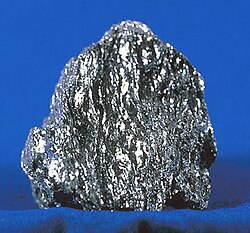
- California was the first state to name an official state rock in 1965.
- Colorado is the only state with geological symbols that match the colors of its national flag.
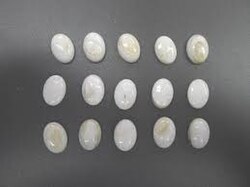
- Florida's state gemstone, moonstone, was chosen to honor the U.S. Lunar program.
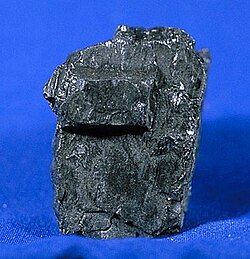
- West Virginia's state rock, bituminous coal, was designated following a student-led petition.
- Oregon designated the thunderegg as its state rock to boost tourism.
The Significance of State Geological Symbols
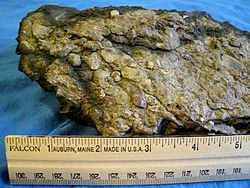
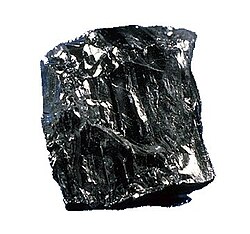
The selection of a state symbol is rarely a random choice. These designations often reflect the economic backbone or the cultural identity of a region. For instance, in West Virginia, the designation of bituminous coal as the official state rock in 2009 highlights the industry's integral role in the state's economic and social fabric. This movement was notably driven by a high school student who gathered 2,500 signatures to support the cause.
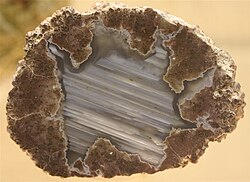
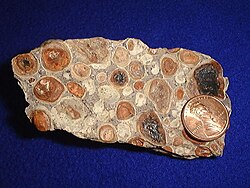
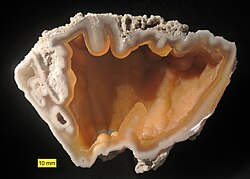
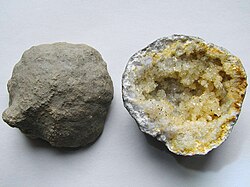
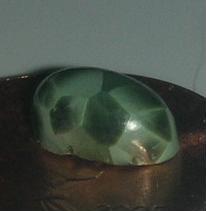
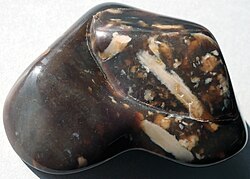
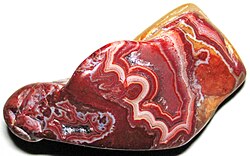
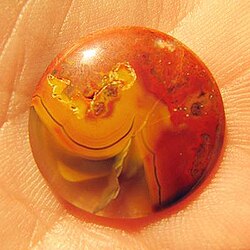
In Oregon, the 1965 designation of the thunderegg—a nodule-like structure formed within rhyolitic lava flows—was intended to stimulate tourism. The name itself carries cultural weight, as the Native Americans of Warm Springs believed these structures were created by thunder spirits residing in the craters of Mount Hood and Mount Jefferson.
Unique Regional Identities
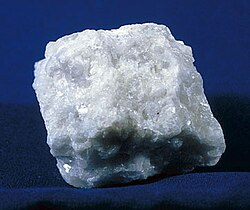
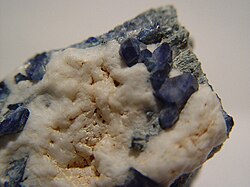
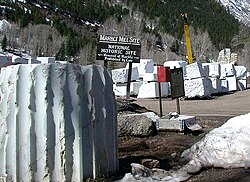
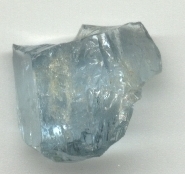
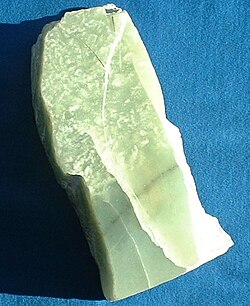
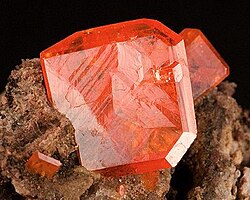
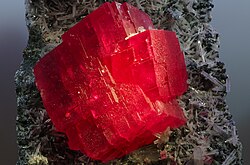
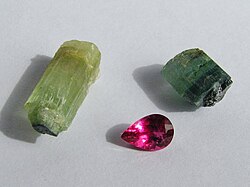
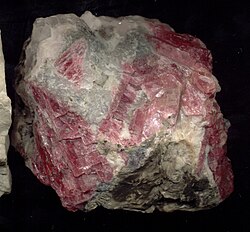
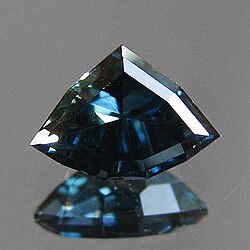
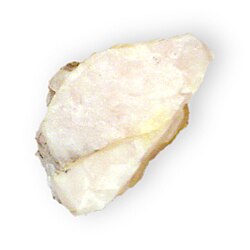
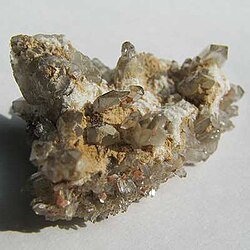
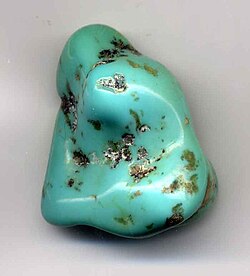
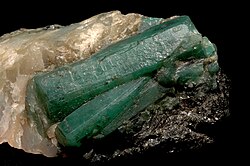
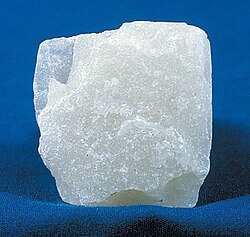
Some states use their symbols to highlight specific, localized treasures. California's state gemstone, benitoite, is a form of barium titanium silicate that is unique to the Golden State, with gem-quality specimens found only in San Benito County. Similarly, Colorado has achieved a unique aesthetic harmony; its geological symbols—rhodochrosite (red), yule marble (white), and aquamarine (blue)—perfectly mirror the colors of the Colorado state flag.
Controversies and Historical Shifts

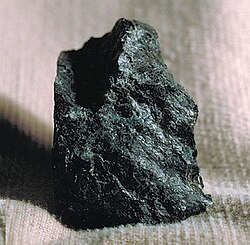
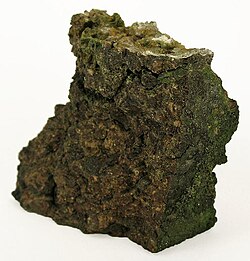
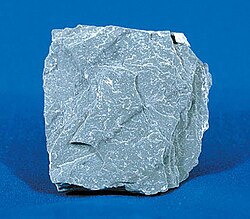
The process of naming state symbols is not always without debate. In 2010, a legislative effort in California sought to remove serpentine as the official state rock. This was due to concerns from organizations regarding the presence of chrysotile, a form of asbestos found within the olive green rock. However, geologists opposed the bill, arguing that casual exposure to the stone does not pose a health risk, and the bill ultimately died in committee.
The Legacy of Massachusetts
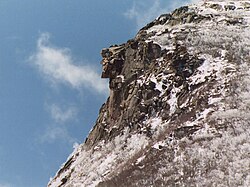
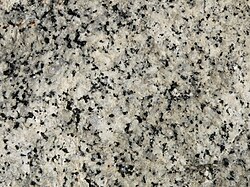
Massachusetts stands out for its extensive list of geological designations. Since 1983, the state has recognized several official rocks, including Plymouth Rock (State Historical Rock), Dighton Rock (State Explorer Rock), and Granite (State Building and Monument Stone). In 2008, the state further expanded its list by designating Rolling Rock as the State Glacial Rock.
Summary of Selected State Geological Symbols
| State | Symbol Type | Name | Year Adopted |
|---|---|---|---|
| California | Gemstone | Benitoite | 1986 |
| Colorado | Gemstone | Aquamarine | 1971 |
| Florida | Gemstone | Moonstone | 1970 |
| Oregon | Rock | Thunderegg | 1965 |
| West Virginia | Rock | Bituminous Coal | 2009 |
Frequently Asked Questions
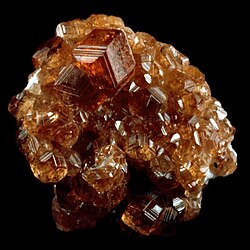
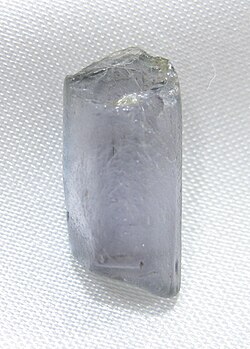
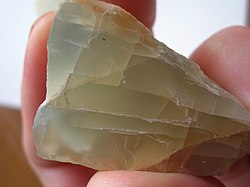




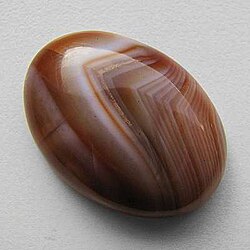
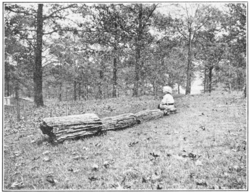
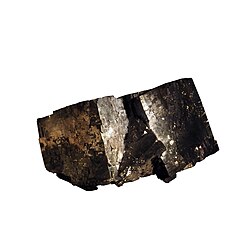
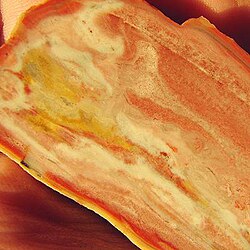
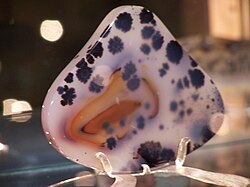
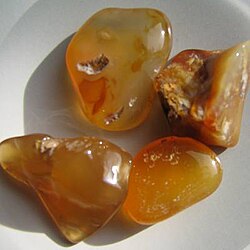
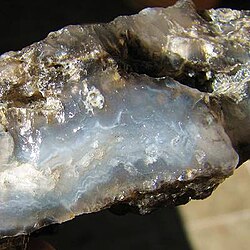
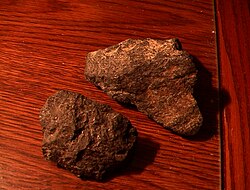
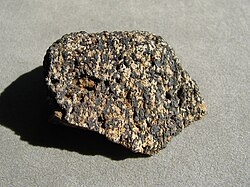
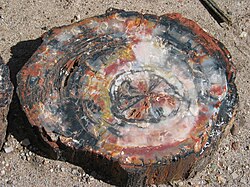
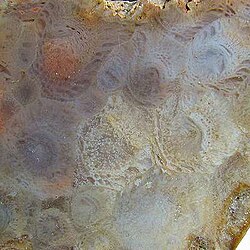
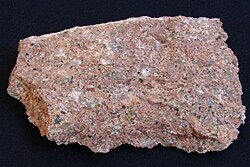
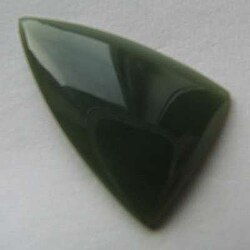
![Franklinite (2023)[51]](/images/3f/00/3f00236aa376f5d0548170ac2453f5b7e3d48e7bb7250719436515f772cb99fe.jpg)



Which state was the first to name an official state rock?
California became the first state to officially name a state rock in 1965, selecting serpentine.
Why did Florida choose moonstone as its state gem?
Moonstone was adopted to highlight Florida's connection to the United States' Lunar program, which successfully landed the first astronauts on the Moon.
Is there a state with symbols that match its flag?
Yes, Colorado is the only state whose geological symbols (rhodochrosite, yule marble, and aquamarine) reflect the red, white, and blue colors of its national flag.
How did West Virginia choose coal as its state rock?
The designation was initiated by a high school student from Wharncliffe, who collected 2,500 signatures on a petition to recognize the importance of the coal industry to the state.
What is a thunderegg?
A thunderegg is a nodule-like geological structure, similar to a geode, that forms within rhyolitic lava flows.