Twelfth Night: Traditions, Dates, and the End of Christmastide
Twelfth Night, also known as Epiphany Eve, serves as the festive conclusion to the Twelve Days of Christmas. This annual celebration marks the end of Christmastide—the period between Christmas and Epiphany—and heralds the arrival of the Epiphany, the feast commemorating the visit of the Magi to the infant Jesus.
While it is primarily a Christian festival, Twelfth Night has evolved into a significant cultural event in many countries, blending religious observance with centuries of folk traditions, merrymaking, and literary inspiration.
Key Facts
- Significance: Marks the final night of the Twelve Days of Christmas and the eve of Epiphany.
- Primary Dates: Most commonly observed on January 5 or 6, with "Old Twelfth Night" on January 17.
- Core Traditions: Includes singing carols, apple wassailing, and the baking of special cakes.
- Historical Origin: The 12-day cycle was formally proclaimed by the Council of Tours in 567 AD.
Determining the Date of Twelfth Night
The exact date of Twelfth Night often varies based on ecclesiastical tradition and how the "Twelve Days of Christmas" are counted. The confusion typically stems from the definition of "eve," which can mean either the day before an event or simply the evening of that day.
Common Counting Methods
- January 5: In Lutheran and Anglican traditions, Christmas Day (December 25) is the first day. This makes January 5 the twelfth day and the night that follows "Twelfth Night" (Epiphany Eve).
- January 6: Some traditions count only full days, meaning January 6 is the twelfth day, making the evening of January 6 Twelfth Night.
- The Council of Tours: In 567 AD, this council decreed that the entire period between Christmas and Epiphany should be a unified festive season, creating the framework for Christmastide.
Cultural Traditions and Observances
Twelfth Night is characterized by a diverse array of customs that range from the spiritual to the whimsical.
Religious and Folk Rituals
Many observers attend church services or have their homes blessed. In German-speaking countries, Sternsinger (star singers) visit homes carrying a star on a pole. They sing carols and use chalk to write a formula over the door—consisting of the initials of the Three Wise Men (Caspar, Melchior, and Balthasar) and the year—to protect the inhabitants.
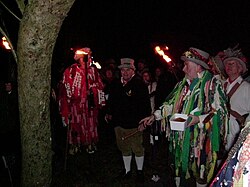
Another enduring tradition is apple wassailing, a practice of singing to apple trees to ensure a bountiful harvest for the coming year.
Festive Foods and Parties
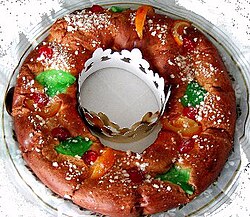
Food plays a central role in Twelfth Night celebrations. A common tradition involves a special cake containing a hidden bean and a pea. The guest who finds the bean is crowned King for the night, and the one who finds the pea becomes Queen, often wearing paper crowns and regalia.
A notable historical example is the Theatre Royal, Drury Lane in London. Since 1795, thanks to a bequest from actor Robert Baddeley, the theatre has provided cake and punch for the company every January 6.
Old Twelfth Night and Literature
The Julian Calendar Influence
In certain regions, particularly the West Country of England, "Old Twelfth Night" (or "Old Twelvey") is celebrated on January 17. This date persists because it corresponds to January 6 on the Julian calendar, which was used before the Calendar Act of 1750 shifted the region to the Gregorian calendar.
Literary Connections
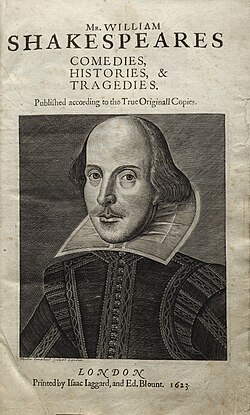
The festival has long inspired artists and writers. Beyond William Shakespeare's famous play, Ben Jonson's 1605 performance The Masque of Blackness was originally titled The Twelfth Nights Revells. The festive atmosphere of the holiday—characterized by role-reversal and revelry—provided a rich backdrop for these works.
Summary of Twelfth Night Observances
| Aspect | Details |
|---|---|
| Primary Dates | January 5, 6, or 17 (Old Twelfth Night) |
| Key Rituals | Wassailing, chalking doors, carol singing, home blessings |
| Traditional Foods | Twelfth Night Cake (with bean/pea), Roscón de reyes |
| Religious Meaning | End of Christmastide; Eve of the Epiphany |
| Historical Basis | Council of Tours (567 AD) |
Frequently Asked Questions
What is the difference between Twelfth Night and Epiphany?
Twelfth Night is the evening that concludes the Twelve Days of Christmas, while Epiphany is the feast day (January 6) that follows it, celebrating the revelation of Christ to the Magi.
Why is it called "Old Twelfth Night" on January 17?
This date is used by those following the Julian calendar. When the Calendar Act of 1750 shifted the date to the Gregorian calendar, some regions continued to celebrate the holiday on the original Julian date of January 6, which by then fell on January 17.
What is apple wassailing?
Apple wassailing is a folk custom where people visit apple orchards and sing to the trees, often accompanied by rituals, to encourage a healthy and productive harvest in the next season.
Who are the Sternsinger?
The Sternsinger, or "star singers," are individuals in German-speaking countries who go from house to house singing Epiphany carols and chalking blessings over doorways to protect the home.
What happens at a traditional Twelfth Night party?
Traditional parties often involve games, dancing, and the eating of a special cake. The discovery of a bean or pea within the cake determines who will be the "King" and "Queen" for the duration of the festivities.