Túpac Amaru II: The Indigenous Leader Who Challenged the Spanish Empire
In the late 18th century, the Viceroyalty of Peru became the stage for one of the most significant indigenous uprisings in the history of the Americas. At the center of this storm was Túpac Amaru II, born José Gabriel Condorcanqui Noguera. A man of royal Inca blood and a successful merchant, he transitioned from a colonial administrator to a revolutionary leader, proclaiming himself the Sapa Inca of a new Inca Empire to fight against systemic oppression.
While often viewed through the lens of modern independence movements, Túpac Amaru II's struggle was initially a reaction to the crushing economic and administrative burdens imposed by the Spanish Crown. His legacy continues to serve as a powerful symbol of resistance and social justice across Latin America.
![Painting of Túpac Amaru II by an anonymous artist c. 1784–1806. Unveiled in 2015, it is the oldest image known to date of the indigenous rebel.[25][26]](/images/b3/d8/b3d8d8e5ad0921f35bde8c840b214fc9ec4a360530d05f2389fae3c5dcbb6b40.jpg)
Key Facts
- Birth Name: José Gabriel Condorcanqui Noguera (c. 1742).
- Role: Indigenous cacique (hereditary chief) and self-proclaimed Sapa Inca.
- Primary Goal: Abolition of oppressive colonial practices like the mining mita (forced labor system).
- Historic Decree: Abolished slavery for Black people in Spanish America on November 16, 1780.
- Fate: Captured and executed by the Spanish in May 1781.
Early Life and Rise to Power
Born around 1742 in Surimana, Cusco, José Gabriel was the son of Miguel Condorcanqui and María Rosa Noguera. After the death of his parents when he was twelve, he was raised by his aunt and uncle. He received a prestigious Jesuit education at the San Francisco de Borja School, where he was taught of his royal Inca lineage and his future responsibilities as a leader.
At age 22, he married Micaela Bastidas, who would become a critical partner and commander in his later rebellion. Upon succeeding his father as the kuraka (local chief) of Tungasuca and Pampamarca, he gained control of land and inherited 350 mules. This allowed him to operate as a regional merchant and muleteer, providing him with an extensive network of contacts and first-hand knowledge of the economic hardships facing indigenous communities.
The Catalyst for Rebellion
The late 1770s brought a perfect storm of economic misery to the Andes. The commercial monopoly of Lima stifled trade for Cusco manufacturers, while overproduction drove prices down. To make matters worse, extreme cold weather in 1778 and 1779 devastated crops.
These natural disasters coincided with the Bourbon Reforms—a series of administrative changes by King Charles III of Spain designed to centralize power. These reforms increased taxes and intensified forced labor, specifically through the mining mita and obrajes (textile workshops). Witnessing the bankruptcy of merchants and the desperation of indigenous taxpayers, Túpac Amaru II moved toward open revolt.
The Great Andean Rebellion (1780–1781)
The rebellion ignited on November 4, 1780, with the capture and execution of Antonio de Arriaga, the Corregidor (Spanish magistrate) of Tinta. Túpac Amaru II sought to dismantle the oppressive colonial apparatus, targeting the visitador general José Antonio Areche.
Initially, the movement saw great success. At the Battle of Sangarará on November 18, 1780, the rebel forces achieved a decisive victory, killing 578 Spanish soldiers. However, the victory was marred by uncontrolled violence committed by some rebel followers, which alienated the Criollo (Spanish descendants born in the Americas) class, who might otherwise have supported the cause.
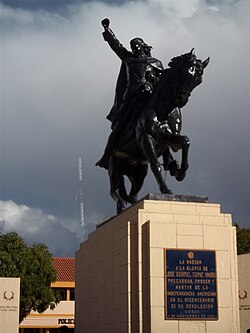
The Struggle for Cusco and Capture
Túpac Amaru II attempted to capture Cusco, the ancient Inca capital, with a force of 40,000 to 60,000 followers. However, the fortified city, defended by loyalist Native troops and reinforcements from Lima, repelled the attack. Following this defeat, the rebel army was surrounded between Tinta and Sangarará. Betrayed by two of his own officers, Colonel Ventura Landaeta and Captain Francisco Cruz, Túpac Amaru II was captured.
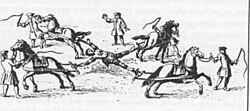
Execution and Aftermath
Túpac Amaru II was executed on May 18, 1781, in the Plaza de Armas of Cusco. Despite the brutal nature of his death, he remained defiant, famously identifying himself as the liberator and his captors as the oppressors.
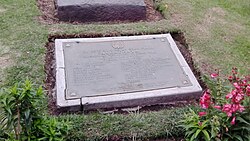
The rebellion's impact extended beyond Peru. In Bolivia, the Aymara leader Túpac Katari led a parallel struggle, supported by his partner Bartola Sisa, who commanded 2,000 soldiers after Katari's capture. Though the Spanish eventually crushed these movements by 1782, the seeds of resistance had been sown.
Legacy and Modern Recognition
Over the centuries, Túpac Amaru II has been transformed from a colonial rebel into a national hero. In the 20th century, specifically under the government of General Juan Velasco Alvarado (1968–1975), he became a central symbol of Peruvian nationalism and social justice. The government replaced the portrait of Francisco Pizarro with that of Túpac Amaru II in the Government Palace.
His influence has reached far beyond Peru's borders, inspiring the "Tupamaros" urban guerrilla movement in Uruguay during the 1960s and appearing in various works of literature and music.
| Category | Details |
|---|---|
| Original Name | José Gabriel Condorcanqui Noguera |
| Rebellion Period | November 1780 – May 1781 |
| Key Opponents | Spanish Colonial Administration (Bourbon Reforms) |
| Major Victory | Battle of Sangarará |
| Key Allies | Micaela Bastidas (Spouse/Commander) |
| Primary Legacy | Symbol of indigenous rights and anti-colonial resistance |
Frequently Asked Questions
Was Túpac Amaru II fighting for Peruvian independence?
Not initially in the modern sense. His rebellion was primarily a fight against the abuses of the Spanish administrative and economic system, specifically the Bourbon Reforms, rather than a quest to create a separate sovereign nation.
Who was Micaela Bastidas?
Micaela Bastidas was the wife of Túpac Amaru II and a key leader in the rebellion. She served as a female commander and played a vital role in the strategic and logistical operations of the movement.
What was the "mita" that Túpac Amaru II opposed?
The mita was a mandatory public service system in the Spanish colony, most notoriously used to force indigenous people to work in dangerous silver mines, which caused immense suffering and death.
How is Túpac Amaru II viewed in Peru today?
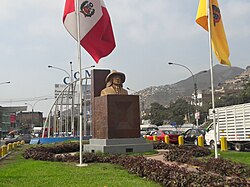
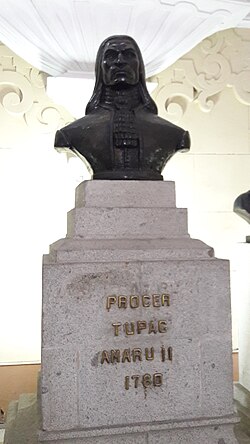
He is widely regarded as a national hero and a symbol of resistance against oppression. He is frequently invoked by social justice movements and is honored with monuments in cities like Cusco and Lima.
Is he the same person as the original Inca ruler Túpac Amaru?
No. He is Túpac Amaru II, a descendant of the original Inca ruler. He adopted the name to emphasize his royal lineage and his claim as the Sapa Inca of a restored empire.