Tuareg People: The Nomadic Guardians of the Sahara
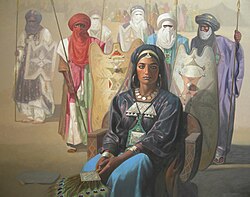
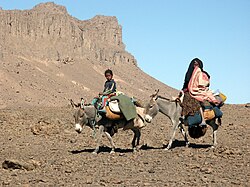
The Tuareg (known endonymically as Imuhăɣ, Imašăɣăn, or Imajăɣăn) are a semi-nomadic Berber ethnic group inhabiting the vast expanses of the Sahara Desert. Renowned for their striking indigo-dyed clothing and deep connection to the desert landscape, they have historically served as the primary controllers of the trans-Saharan caravan trade. With a population estimated between 4 and 5 million, they maintain a distinct cultural identity across several North African nations.
Their presence is most significant in Niger, Mali, Burkina Faso, Libya, Algeria, and Mauritania, with smaller communities in Nigeria. This distribution reflects a history of movement and adaptation to one of the harshest environments on Earth.
![The traditional distribution of the Tuareg in the Sahara[11]](/images/eb/20/eb203a65cb52e841119f58593b07bf9eb3b667561c163f9031b1db73d39fc72c.png)
Key Facts
- Population: Approximately 4–5 million people.
- Primary Regions: Niger (largest population), Mali, Burkina Faso, Libya, Algeria, and Mauritania.
- Language: Tuareg languages, including Tamahaq, Tamasheq, Tamajeq, and Tawellemmet.
- Religion: Sunni Islam.
- Heritage: Berber (Amazigh) origin with significant historical interactions with Arab and West African populations.
Demographics and Distribution
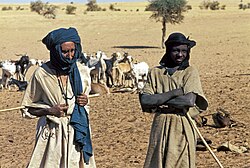
The Tuareg are spread across the Sahel and Sahara, with their highest concentrations in Niger and Mali. Their social structure is traditionally organized into clans and confederations, such as the Kel Adagh, Iwillimmidan, and Kel Owey.
| Country | Estimated Population | Percentage of Total National Population |
|---|---|---|
| Niger | 2,793,652 | 11% |
| Mali | 704,814 | 1.7% |
| Burkina Faso | 406,271 | 1.9% |
| Libya | 100,000–250,000 | 1.5% |
| Algeria | 152,000 | 0.34% |
| Mauritania | 123,000 | 2.6% |
| Nigeria | 30,000 | 0.015% |
History and Social Structure
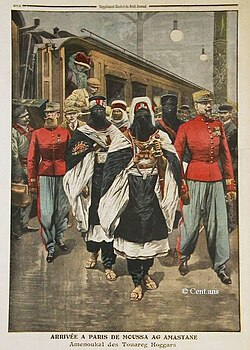
The early history of the Tuareg is marked by their resistance to outside influence. They are often noted for having resisted Islamization longer than other regional groups. During the colonial era, they faced significant pressure from European powers, particularly France, leading to various periods of resistance.
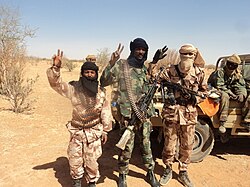
Post-colonial history has been characterized by struggles for autonomy. Major conflicts between Tuareg resistance and government forces occurred in Niger and Mali, with significant agreements reached in 1995 and 1996, though sporadic violence has continued into the 21st century.
Social Hierarchy and Castes
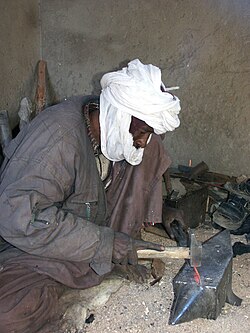
Traditional Tuareg society is highly stratified, consisting of a hierarchical caste system. This includes nobility (warriors), vassals, and clerics. Below these are the craftsmen, such as blacksmiths, and a class of unfree people or slaves.
While modern states have outlawed slavery, the practice has persisted in some traditional communities. In Niger, slavery was outlawed in 2003, yet reports indicate that a small percentage of the population remains enslaved. In Mali, French military interventions between 2013 and 2014 reportedly led to the liberation of many enslaved individuals.
Culture and Traditions
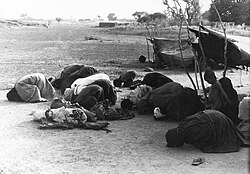
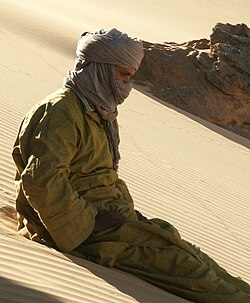
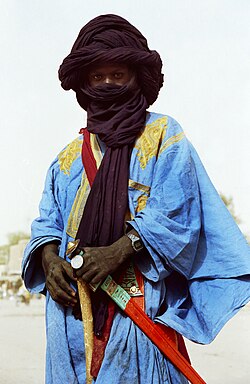
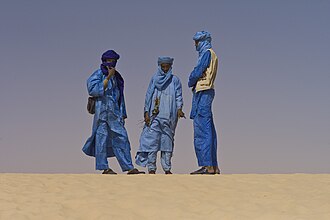
Tuareg culture is a blend of nomadic practicality and artistic expression. Their clothing is perhaps their most recognizable trait, designed for protection against the desert sun and wind.
Traditional Clothing
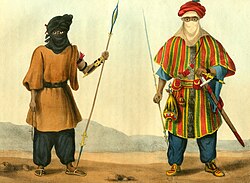
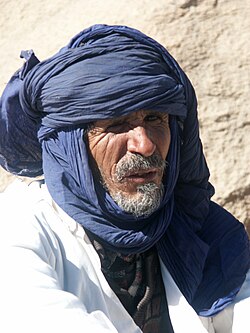
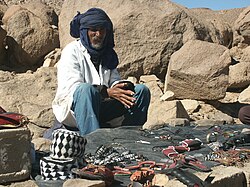
- Tagelmust: The iconic turban worn by men.
- Bukar: A specific black cotton turban for men.
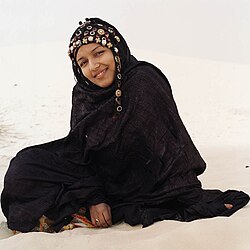
- Tasuwart: The traditional veil worn by women.
- Bernuz: A long woolen cloth used for warmth during winter.
- Iragazan: Red leather sandals.
Astronomy and Navigation
Living in the open desert, the Tuareg became expert astronomers. They use celestial bodies to track time and navigate. Key objects include Azzag Willi (Venus), which signals the time for milking goats, and Amanar (Orion), known as the warrior of the desert.
Traditional Weaponry
The Tuareg have a rich history of martial arts and weaponry. The takoba is a straight sword approximately one meter long, while the telek is a short dagger worn in a sheath attached to the left forearm. Other weapons include the allagh (a 2-meter lance) and the taganze (a leather-covered wooden bow).
Arts and Music
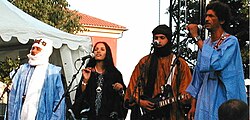
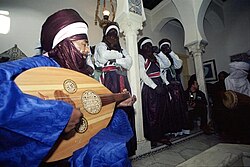
Music is central to Tuareg identity, evolving from traditional vocal poems (tisiway) and slow songs for elders (tahengemmit) to modern global genres.
Ishumar Music
The Ishumar style, also known as Teshumara or "guitar music," emerged from the experiences of displaced Tuareg youth. This genre has gained international acclaim through bands like Tinariwen and solo artists such as Bombino and Mdou Moctar.
Festivals and Games
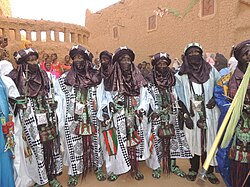
Cultural vitality is maintained through festivals like the Sabeiba in Algeria and the Festival au Désert in Mali. Traditional games include various forms of wrestling (Tabillant, Alamom, and Solagh) and camel racing (Tammazaga).
![Sebiba[nb 3] Tuareg festival in Djanet, Algeria. The celebrants brandish takouba swords.](/images/46/cc/46cc546f189f147ef2e157ec0543e3b34e662a9d26ba4f29f7af6249b22e2464.jpg)
Genetics and Ancestry
Genetic studies of the Tuareg reveal a complex history of migration and assimilation. Y-chromosome DNA analysis shows a strong presence of the E-M81 haplogroup, which is the founding lineage of the Berbers. However, studies in Niger and Libya also show the E1b1a1-M2 haplogroup, which is common among Niger-Congo speaking populations, suggesting the assimilation of West African individuals into Tuareg communities over centuries.
Frequently Asked Questions
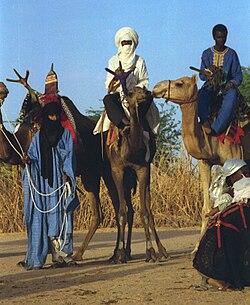
What is the significance of the tagelmust?
The tagelmust is a traditional turban and veil worn by Tuareg men. It serves both a practical purpose, protecting the wearer from desert sand and sun, and a social purpose, acting as a symbol of modesty and status.
Which languages do the Tuareg speak?
The Tuareg speak a group of related Berber languages, primarily Tamasheq, Tamahaq, Tamajeq, and Tawellemmet.
What is Ishumar music?
Ishumar is a modern style of Tuareg music characterized by the use of the electric guitar. It originated among young Tuareg men in exile and often focuses on themes of longing, rebellion, and cultural identity.
How is Tuareg society structured?
Traditionally, Tuareg society is organized into a strict caste system consisting of nobles, vassals, clerics, artisans (such as blacksmiths), and a class of enslaved people.
Where do most Tuareg people live today?
The largest Tuareg population is found in Niger, followed by significant populations in Mali and Burkina Faso.