Trinidad and Tobago: A Vibrant Fusion of Culture, History, and Nature
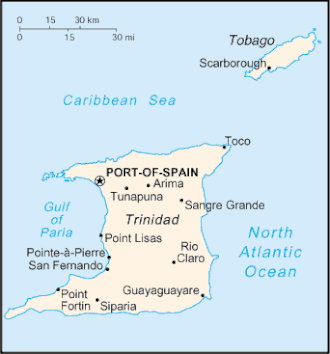
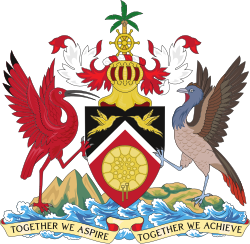
Located in the southernmost Caribbean, the Republic of Trinidad and Tobago is a twin-island nation defined by its extraordinary diversity. From the rhythmic beats of the steelpan to the towering heights of the Northern Range, the country is a melting pot of African, Indian, and European influences, creating a unique national identity summarized by its motto: "Together we aspire, together we achieve."
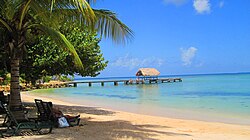
Whether it is the bustling urban energy of Port of Spain or the serene beaches of Tobago, the nation offers a compelling blend of industrial strength and natural beauty.
Key Facts
- Capital: Port of Spain
- Official Language: English (with Trinidad and Tobago Creole widely spoken)
- Government: Unitary parliamentary republic
- Economy: Heavily driven by a strong petrochemical and oil industry
- Demographics: A diverse population with significant Indian (35.4%) and African (34.2%) heritage
- National Instrument: The Steelpan
Geography and Natural Environment
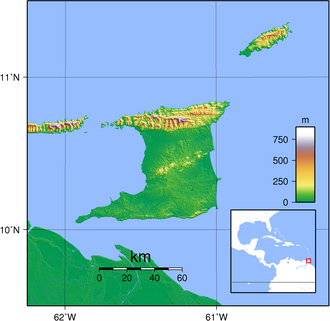
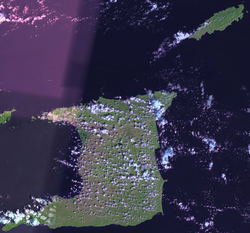
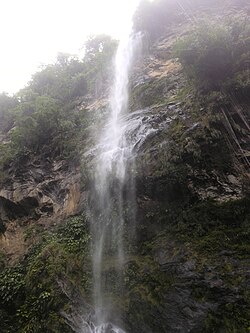
Trinidad and Tobago consists of two main islands with a total area of 5,131 square kilometers. The topography varies from coastal plains to mountainous interiors, providing a rich habitat for diverse wildlife.
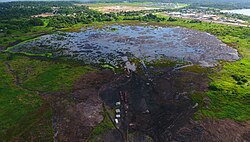
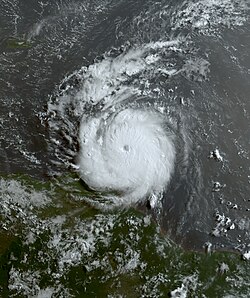
The islands are known for unique geological features, such as the Pitch Lake in south-west Trinidad, one of the largest natural deposits of asphalt in the world. The climate is tropical, though the region is susceptible to extreme weather events, such as Hurricane Beryl in July 2024.
Biodiversity and Wildlife
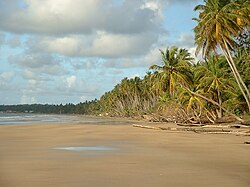
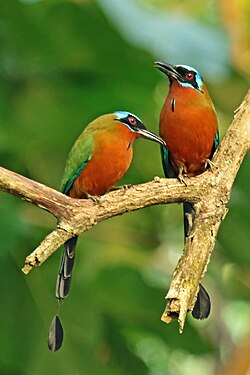
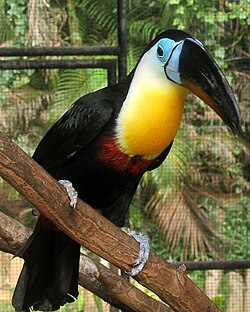
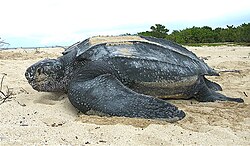
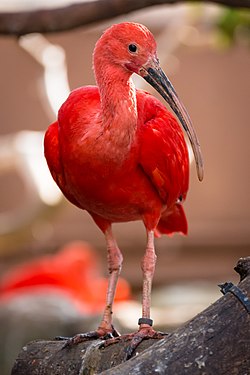
The nation is a sanctuary for rare species. It serves as a major nesting site for Leatherback Turtles and is home to the Scarlet Ibis and the Trinidad Motmot. The lush landscapes also support the Channel-billed toucan.
History and Colonial Legacy
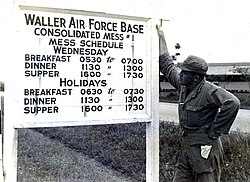
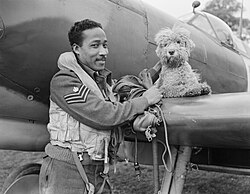
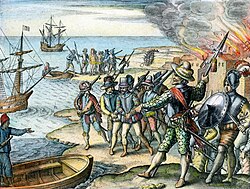
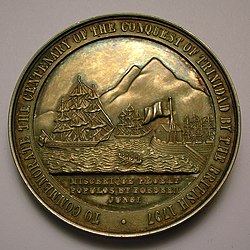
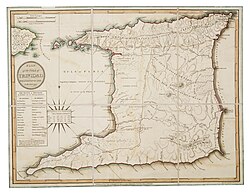
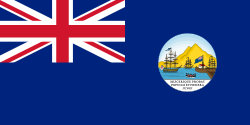
The history of Trinidad and Tobago is marked by successive waves of colonization and migration. Early encounters included raids by English pirates like Walter Raleigh in 1595, followed by Spanish rule. The British eventually captured the islands in 1797, establishing a colonial administration that lasted until the mid-20th century.
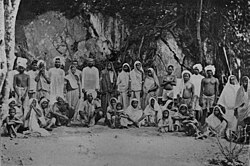
Following the abolition of slavery, the British brought in indentured labourers from India to work on plantations, a move that fundamentally reshaped the demographic and cultural landscape of the islands.
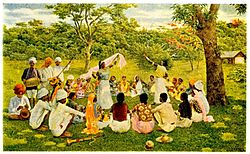
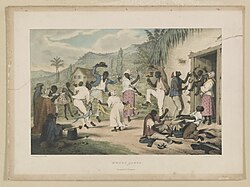
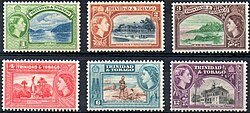
The path to sovereignty involved a brief period as a province of the West Indies Federation (1958–1962). The nation gained full independence from the United Kingdom on August 31, 1962, and later became a republic on August 1, 1976.
Government, Economy, and Infrastructure
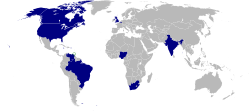
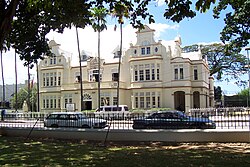
Trinidad and Tobago operates as a unitary parliamentary republic. The government is led by a President and a Prime Minister, with a legislature consisting of the Senate and the House of Representatives.
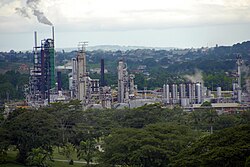
The economy is one of the most robust in the Caribbean, largely due to its petrochemical and oil industry. This industrial base, exemplified by the refinery at Pointe-à-Pierre, makes the country less reliant on agriculture or tourism than many of its neighbors.
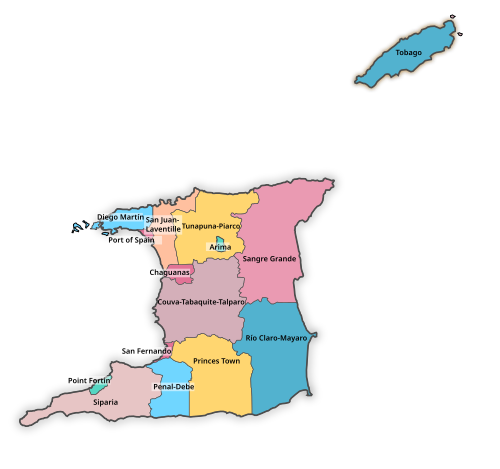
Urban Centers and Transport
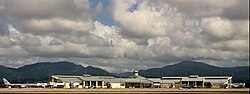
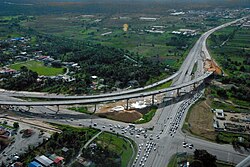
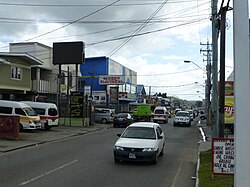
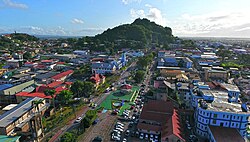
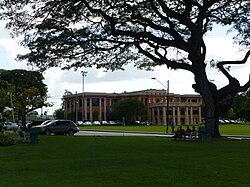
Port of Spain serves as the political and financial hub, while Chaguanas is the largest city by population. The nation's infrastructure includes the Piarco International Airport and a network of highways where traffic drives on the left side of the road.
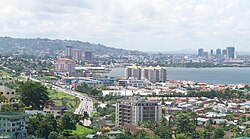
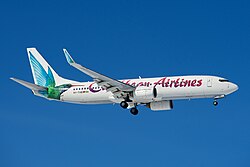
In terms of aviation, the state-owned Caribbean Airlines is the largest carrier in the region.
Culture and Society
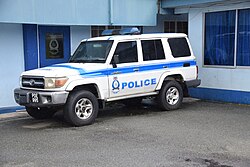
The cultural identity of Trinidad and Tobago is a vibrant synthesis of its ethnic roots. This is most evident in its festivals, music, and cuisine.
Festivals and Arts
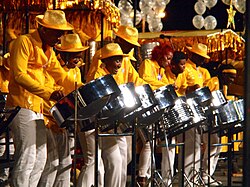
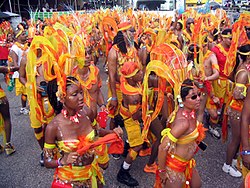
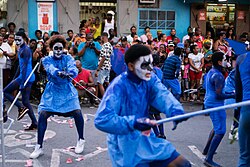
Carnival is the most famous celebration, featuring masqueraders and the world-renowned steelpan bands. Other significant events include Divali Nagar, one of the largest Diwali celebrations outside of India, and various Hindu and Christian observances.
![Divali Nagar entrance in Chaguanas; Divali Nagar is one of the largest Diwali celebration outside India[243][244]](/images/db/cf/dbcf2c4ca1184189ccbf6a9dc771414a0f9a4d2022c5b05d29d37e292f53b191.jpg)
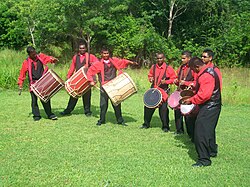
The arts are further enriched by Tassa percussion ensembles and the literary contributions of figures like V. S. Naipaul, as well as global musical stars like Nicki Minaj.
![Nicki Minaj[248]](/images/91/7c/917c7577b2dd02ca7f72e02703b61386c07e20874c673840fee9d4713161669c.jpg)
Cuisine and Language
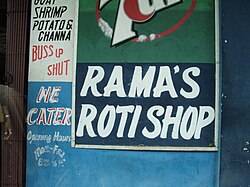
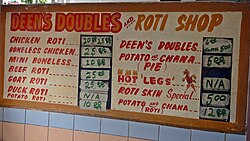
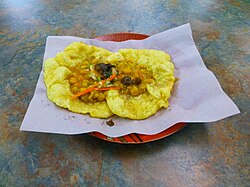
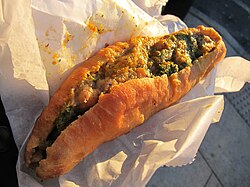
The food reflects the nation's heritage, with popular dishes including Roti (such as "buss up shut"), Doubles, and Aloo pie. While English is the official language, Trinidad and Tobago Creole is the vernacular of daily life, and traces of Spanish and French Creole remain in place names and local dialects.
Religion and Education
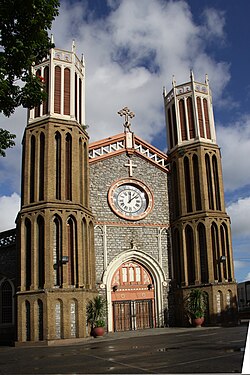
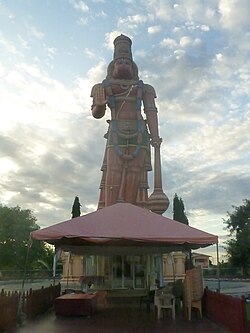
Religion is a cornerstone of society, with Christianity (55.2%) and Hinduism (18.2%) being the most prominent. Landmarks like the Cathedral of the Immaculate Conception and the massive Hanuman murti in Carapichaima highlight this spiritual diversity. Education is anchored by institutions such as the University of the West Indies, St. Augustine.
National Summary
| Category | Detail |
|---|---|
| Official Language | English |
| Population (2025 Est.) | 1,512,779 |
| GDP per capita (Nominal) | $19,621 |
| HDI (2023) | 0.807 (Very High) |
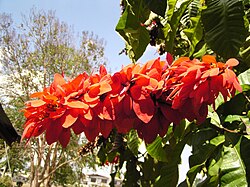
| National Flower | Chaconia |
| Currency | Trinidad and Tobago dollar (TTD) |
Frequently Asked Questions
![Activity sectoral profile of worst 20 CO2 intensity emitters. Data: [226]](/images/38/f8/38f8608ce61319de5fb3c5cca83984c8fda002db8abd0ad50a1c8997f4e7b0fc.png)


What is the primary driver of Trinidad and Tobago's economy?
The economy is strongly boosted by a robust petrochemical and oil industry, which reduces the nation's reliance on tourism and agriculture compared to other Caribbean states.
What are the main ethnic groups in the country?
According to 2011 data, the population is primarily composed of people of Indian descent (35.4%), African descent (34.2%), and those of Mixed heritage (22.8%).
What is the significance of the steelpan?
The steelpan is the national instrument of Trinidad and Tobago and is a central element of the country's world-famous Carnival celebrations.
When did Trinidad and Tobago become a republic?
After gaining independence from the United Kingdom in 1962, the nation officially became a republic on August 1, 1976.
What are some must-try local foods?
Popular local delicacies include Doubles, Roti (specifically paratha or "buss up shut"), and Aloo pie.