Toucouleur Society: Culture, Caste, and Tradition
The Toucouleur people, who refer to themselves as Haalpulaar’en (meaning "those who speak Pulaar"), are a distinct Muslim community speaking the Futa Tooro dialect of Pulaar. While they share linguistic roots with other Fula people, the Toucouleur are culturally distinguished by their sedentary lifestyle, having established settled communities rather than following nomadic patterns.
Their society is built upon a complex foundation of religious devotion and a rigid social structure that has historically governed every aspect of daily life, from economic opportunity to family lineage.
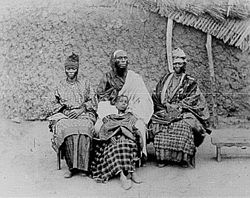
Key Facts
- Identity: Known as Haalpulaar’en, they speak the Futa Tooro dialect of Pulaar.
- Religion: The society is predominantly Muslim.
- Social Structure: A patriarchal system divided into five strict, inherited castes.
- Lifestyle: Unlike some Fula groups, the Toucouleur are sedentary.
- Marriage: Validated by a mosque and requires a bride price.
Social Stratification and Caste Hierarchy
Toucouleur society is organized into a strict patriarchal hierarchy. This system is endogamous, meaning marriage and social interaction typically occur only within one's own caste, making intermarriage rare and the system economically closed.
The Five Caste Strata
The social ladder is divided into five distinct levels, where status, occupation, and land ownership are inherited:
- Torobe: The highest status, consisting of aristocratic leaders and Islamic scholars.
- Rimbe: The second tier, comprising farmers, traders, and administrators.
- Nyenbe: The artisan castes of the society.
- Gallunkobe: Freed slaves or the descendants of those who were freed.
- Matyube: The lowest strata, consisting of slaves acquired through purchase, raiding pagan groups, or inheritance.
Historically, this stratification led to significant inequality, as property and land were exclusively owned by the upper castes. While religious leadership was not strictly an inherited post, it remained difficult for those in lower castes to become religious specialists. According to Rüdiger Seesemann, this was because lower-caste individuals were often viewed as not meeting the "clerical standards of piety" required for such roles.
| Caste Name | Social Role | Status Level |
|---|---|---|
| Torobe | Aristocrats and Islamic Scholars | Highest |
| Rimbe | Administrators, Traders, and Farmers | High |
| Nyenbe | Artisans | Middle |
| Gallunkobe | Freed Slaves / Descendants | Low |
| Matyube | Slaves | Lowest |
Marriage and Family Traditions
Marriage in Toucouleur culture is a formal process that requires a bride price paid to the bride's family. The amount of this payment is heavily influenced by social standing; women from noble lineages command substantially higher prices than those from artisan or slave lineages.
The union is officially validated by a mosque, after which the bride moves into the joint family home of her husband. Traditional customs include a pre-consummation ritual where the bride's aunt verifies her virginity and provides a bath and massage. The process concludes with a community wedding feast involving the entire village.
Childbirth and Naming Ceremonies
The arrival of a child is marked by specific rituals following pémbougale (childbirth). One week after birth, a naming ceremony takes place involving several community figures:
- The Gorgol: The father's sister, who performs the ritual cutting of the infant's hair.
- The Marabout: A religious leader who receives the chosen name from the father, whispers it into the baby's ear, and offers prayers.
- The Gawlo: A griot (traditional oral historian/musician) who is informed of the name by the marabout and announces it publicly to the village.
Frequently Asked Questions
What does the name Haalpulaar’en mean?
Haalpulaar’en means "those who speak Pulaar," referring to the language and dialect spoken by the Toucouleur people.
How does the Toucouleur social system differ from other Fula groups?
The Toucouleur are distinguished by their sedentary nature, whereas other Fula groups may be more nomadic.
Who are the Torobe in Toucouleur society?
The Torobe are the highest-ranking caste, consisting of the society's aristocratic leaders and Islamic scholars.
Is the Toucouleur caste system flexible?
No, it is a rigid, inherited, and endogamous system where occupations and social status are passed down through generations, and intermarriage between castes is rare.
What is the role of the Gawlo during a naming ceremony?
The Gawlo is a griot who serves as the public announcer, informing the village of the newborn's name after being told by the marabout.