Tokyo 1964 Summer Olympics: A Historic Milestone for Asia
The 1964 Summer Olympics, officially known as the Games of the XVIII Olympiad, marked a pivotal moment in sporting history. Held from October 10 to October 24, 1964, in Tokyo, Japan, these games represented more than just athletic competition; they were a symbol of Japan's return to the global stage. While Tokyo had originally been awarded the 1940 Games, those were first passed to Helsinki and eventually cancelled due to World War II. The 1964 event finally realized the city's Olympic ambitions, becoming the first Summer Olympics ever held in Asia.
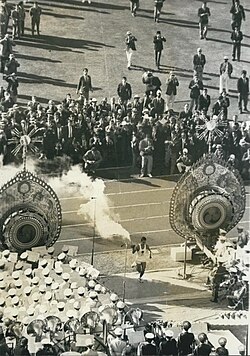
The games were officially opened by Emperor Showa and closed by IOC president Avery Brundage. One of the most poignant moments of the opening ceremony featured Yoshinori Sakai running toward the Olympic cauldron to light the flame.
Key Facts
- Host City: Tokyo, Japan
- Dates: October 10–24, 1964
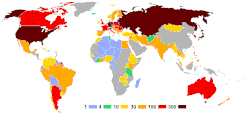
- Participation: 5,137 athletes (4,457 men, 680 women) from 93 nations
- Scope: 163 events across 19 sports and 25 disciplines
- Historic Firsts: First Olympics in Asia and first to use geostationary satellites for international telecasts
Technological and Social Breakthroughs
The 1964 Games were a catalyst for communication technology. For the first time, the Olympics were telecast internationally without the need to fly physical tapes overseas. This was achieved using Syncom 3, the first geostationary communication satellite, to beam signals to the United States, which were then relayed to Europe via Relay 1.
Broadcasting also saw the introduction of partial color telecasts. Using a new system from Toshiba, domestic viewers in Japan could watch popular local sports, such as judo and sumo wrestling, in color. The legacy of these games was further preserved in the 1965 documentary film Tokyo Olympiad, directed by Kon Ichikawa.
Socially, the 1964 Games were significant for their stance on human rights. South Africa was excluded from the games after refusing the International Olympic Committee's (IOC) demand to send a multi-racial delegation, marking the first time the nation was barred due to its apartheid system (a policy of institutionalized racial segregation). Interestingly, South Africa was still permitted to make its debut at the 1964 Summer Paralympics in Tokyo.
Athletic Highlights and Competition
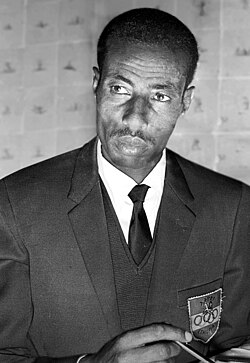
The competition saw legendary performances, including Ethiopia's Abebe Bikila, who secured a historic victory in the marathon. In the pool, Don Schollander dominated swimming by winning four gold medals.
The games also featured demonstration sports, which allowed the host nation to showcase traditional disciplines. These included Budō (comprising kyūdō, sumo, and kendo) as well as baseball.
Participating Nations
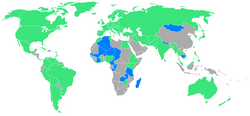
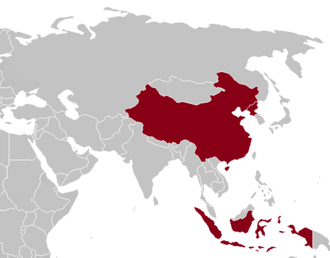
A total of 93 nations participated, though the road to the games was not without political tension. Indonesia was initially banned after refusing visas to Israeli and Taiwanese athletes during the 1962 Asian Games, though this decision was reversed shortly before the 1964 opening.
Venues and Architecture
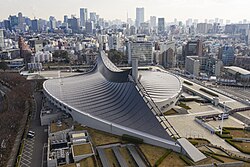
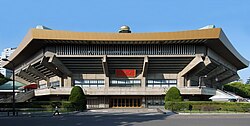
Tokyo invested heavily in infrastructure to support the 163 events. The National Stadium served as the primary hub for athletics, football finals, and team jumping in equestrian events. Other notable venues included the Nippon Budokan for judo and the Yoyogi National Gymnasium, a masterpiece designed by architect Kenzo Tange that hosted swimming, diving, and basketball finals.
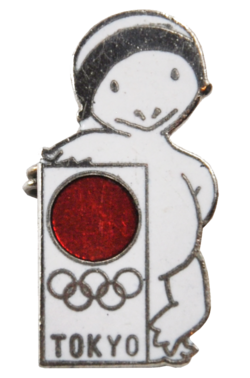
Beyond the official venues, the city embraced the spirit of the games with various cultural symbols, including the kappa—a mythological creature that served as an unofficial mascot.
Summary of Games Data
| Category | Details |
|---|---|
| Total Athletes | 5,137 |
| Gender Split | 4,457 Men / 680 Women |
| Number of Nations | 93 |
| Total Events | 163 |
| Host City Selection Votes | Tokyo (34), Detroit (10), Vienna (9), Brussels (5) |
The legacy of 1964 paved the way for Tokyo's future as a global sporting hub. The city eventually hosted the 2020 Summer Olympics (held in 2021), making it the first Asian city to host the Summer Games twice. Japan also expanded its Olympic footprint by hosting the Winter Games in Sapporo (1972) and Nagano (1998).
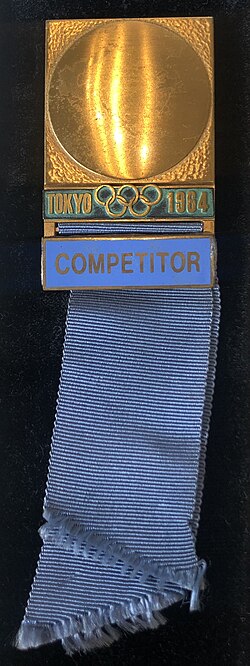
Frequently Asked Questions
Why was South Africa excluded from the 1964 Olympics?
South Africa was excluded because it refused to send a multi-racial delegation, adhering instead to its apartheid system of racial segregation in sports.
What was the significance of Syncom 3 during the games?
Syncom 3 was the first geostationary communication satellite, enabling the 1964 Games to be telecast internationally in real-time without the need to fly physical tapes across oceans.
Which sports were included as demonstration sports?
Baseball and Budō (which included kendo, sumo, and kyūdō) were featured as demonstration sports.
Who was the first person to light the cauldron in 1964?
Yoshinori Sakai was the athlete who ran to light the Olympic cauldron during the opening ceremony.
How did the 1964 Games differ from the 2020 Tokyo Olympics regarding spectators?
The 1964 Games were attended by spectators, whereas the 2020 Summer Olympics (held in 2021) were conducted without spectators due to the COVID-19 pandemic.