Thermophiles: The Heat-Loving Organisms of Extreme Environments
In the most punishing environments on Earth, where temperatures soar to levels that would incinerate most life forms, a specialized group of organisms thrives. These are thermophiles—a type of extremophile (organisms that live in extreme conditions) that flourish at temperatures ranging from 41 to 122 °C (106 to 252 °F). Derived from the Greek words thérmē (heat) and philía (love), these organisms are not merely surviving the heat; they require it to function.
While many thermophiles are archaea (single-celled microorganisms distinct from bacteria), the group also includes certain bacteria and fungi. In fact, scientific evidence suggests that thermophilic bacteria may have been among the very first bacteria to emerge on Earth.
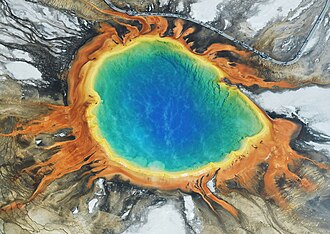
These organisms are typically found in geothermally heated regions, such as the deep-sea hydrothermal vents of the ocean floor and the iconic hot springs of Yellowstone National Park. They also inhabit areas of decaying plant matter, including compost piles and peat bogs.
Key Facts
- Temperature Range: Thermophiles thrive between 41 and 122 °C (106 and 252 °F).
- Biological Diversity: Comprised of archaea, bacteria, and some fungi.
- Key Application: Their heat-stable enzymes are essential for PCR (Polymerase Chain Reaction) tests.
- Primary Driver: Research suggests pH levels, rather than temperature, are the main driver of thermophile diversity.
- Genetic Marker: GC-content in coding regions often correlates with the temperature range of the organism.
Classification of Thermophiles
Scientists categorize thermophiles based on their optimal growth temperatures and their dependency on heat.
Growth Temperature Categories
- Simple thermophiles: Optimal growth between 50–64 °C (122–147 °F).
- Extreme thermophiles: Optimal growth between 65–79 °C (149–174 °F).
- Hyperthermophiles: Optimal growth at 80 °C (176 °F) and above, but never below 50 °C (122 °F).
Growth Requirements
- Facultative thermophiles: Also known as moderate thermophiles, these can thrive at high temperatures but can also grow at temperatures below 50 °C (122 °F).
- Obligate thermophiles: Also known as extreme thermophiles, these strictly require high temperatures to grow.
Hyperthermophiles and Specialized Adaptations
Hyperthermophiles represent the most extreme end of the spectrum. Many hyperthermophilic Archaea rely on elemental sulfur for growth. Some are anaerobes, meaning they do not use oxygen, and instead use sulfur as an electron acceptor during cellular respiration. Others are lithotrophs, which oxidize sulfur to create sulfuric acid for energy. Because this process creates an acidic environment, these organisms are often both thermophiles and acidophiles (acid-loving organisms).
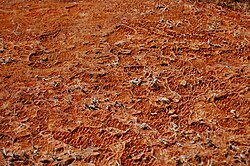
In environments like Yellowstone National Park, these organisms often form distinct zones based on their temperature preferences. Many are brightly colored due to the presence of photosynthetic pigments.
| Category | Optimal Temperature | Key Characteristic |
|---|---|---|
| Simple Thermophile | 50–64 °C | Moderate heat preference |
| Extreme Thermophile | 65–79 °C | High heat preference |
| Hyperthermophile | ≥ 80 °C | Extreme heat requirement; often sulfur-dependent |
| Facultative | Variable | Can grow below 50 °C |
| Obligate | High | Requires high heat for growth |
Thermophiles in Science and Biotechnology
The biological machinery of thermophiles is of immense value to modern science. Because their enzymes are designed to function at high temperatures, they do not denature (unfold and lose function) when heated. A landmark example is Thermus aquaticus, a bacterium whose discovery expanded our understanding of the limits of life.
The Taq polymerase enzyme derived from T. aquaticus is a cornerstone of molecular biology. It enabled the development of the Polymerase Chain Reaction (PCR), a technique used to multiply DNA quickly and efficiently, which is now vital for medical diagnostics and forensic science.
Fungal Thermophiles
While less common than archaea or bacteria, some fungi in the Eukaryota domain can survive between 50–60 °C, most notably those in the order Sordariales. These fungi are highly valued in biotechnology for their ability to produce thermostable enzymes that can degrade plant biomass.
Genetic Exchange and DNA Repair
Maintaining genetic integrity at extreme temperatures is a significant challenge. Hyperthermophilic Archaea, such as Sulfolobus solfataricus and Sulfolobus acidocaldarius, have evolved unique mechanisms to handle DNA damage caused by UV irradiation or chemical agents.
When exposed to such damage, these organisms undergo species-specific cellular aggregation. In S. acidocaldarius, this aggregation triggers a high frequency of chromosomal marker exchange. Researchers hypothesize that this DNA transfer allows the cells to repair damaged DNA through homologous recombination. This process may be a primitive form of sexual interaction, similar to bacterial transformation systems, ensuring survival in volatile, high-temperature environments.
Frequently Asked Questions
What is the difference between a thermophile and a mesophile?
Thermophiles thrive at high temperatures (above 41 °C), whereas mesophiles prefer moderate temperatures. They can be distinguished genomically by the GC-content levels in the coding regions of specific signature genes, which correlate with their respective temperature ranges.
Why is Taq polymerase so important?
Taq polymerase is a heat-resistant enzyme from the bacterium Thermus aquaticus. It allows DNA to be multiplied rapidly in PCR tests without the enzyme breaking down during the high-temperature cycles required for the process.
Can fungi be thermophiles?
Yes, although they are the only group in the Eukaryota domain capable of this. Thermophilic fungi, primarily from the order Sordariales, can survive temperatures between 50–60 °C and are used industrially to degrade plant biomass.
How do hyperthermophiles survive in volcanic environments?
Many hyperthermophiles adapt by using elemental sulfur for energy instead of oxygen. Some oxidize sulfur to create sulfuric acid, allowing them to thrive in the low-pH, high-heat conditions typical of geysers and fumaroles.
How do thermophiles repair their DNA?
Some hyperthermophiles, like the Sulfolobus species, use cellular aggregation to exchange DNA with other cells. This facilitates homologous recombination, which helps repair DNA damage caused by extreme heat or UV radiation.