Polymerase Chain Reaction (PCR): Principles, Process, and Applications
The Polymerase Chain Reaction (PCR) is a cornerstone of modern molecular biology. Invented in 1983 by American biochemist Kary Mullis at the Cetus Corporation, this laboratory method allows scientists to rapidly amplify specific DNA sequences, turning a tiny, undetectable amount of genetic material into millions of copies for detailed study. The significance of this breakthrough was recognized in 1993 when Mullis and biochemist Michael Smith were jointly awarded the Nobel Prize in Chemistry.
Today, PCR is an indispensable tool in medical research, forensic science, and genetic testing. Whether identifying an infectious agent in a patient or analyzing ancient DNA samples, PCR provides the sensitivity and specificity required to isolate and study target genetic regions with precision.
Key Facts
- Inventor: Kary Mullis (1983).
- Core Function: Exponential amplification of specific DNA sequences.
- Primary Mechanism: Thermal cycling (repeated heating and cooling).
- Essential Reagents: Thermostable DNA polymerase, primers, and dNTPs.
- Growth Rate: DNA copies increase by a power of 2 per cycle (2n).
How PCR Works: The Fundamental Principles
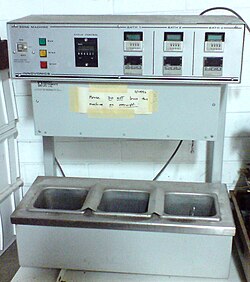
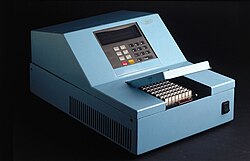
Most PCR methods rely on thermal cycling, a process that exposes chemical reagents to repeated cycles of heating and cooling. This allows for two critical, temperature-dependent reactions: the melting of DNA strands and enzyme-driven replication.
To perform PCR, several key components must be present in the reaction mixture:
- DNA Template: The sample containing the target region to be amplified.
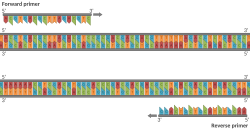
- Primers: Short, single-stranded DNA fragments (oligonucleotides) that are complementary to the target region. They act as starting points for DNA synthesis.
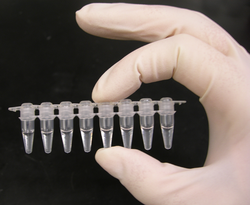
- Thermostable DNA Polymerase: An enzyme that assembles new DNA strands and can withstand high temperatures without breaking down.
- dNTPs (deoxynucleoside triphosphates): The building blocks used by the polymerase to synthesize the new DNA strand.
- Buffer Solution: A chemical environment that ensures the stability and optimum activity of the DNA polymerase.
The PCR Procedure
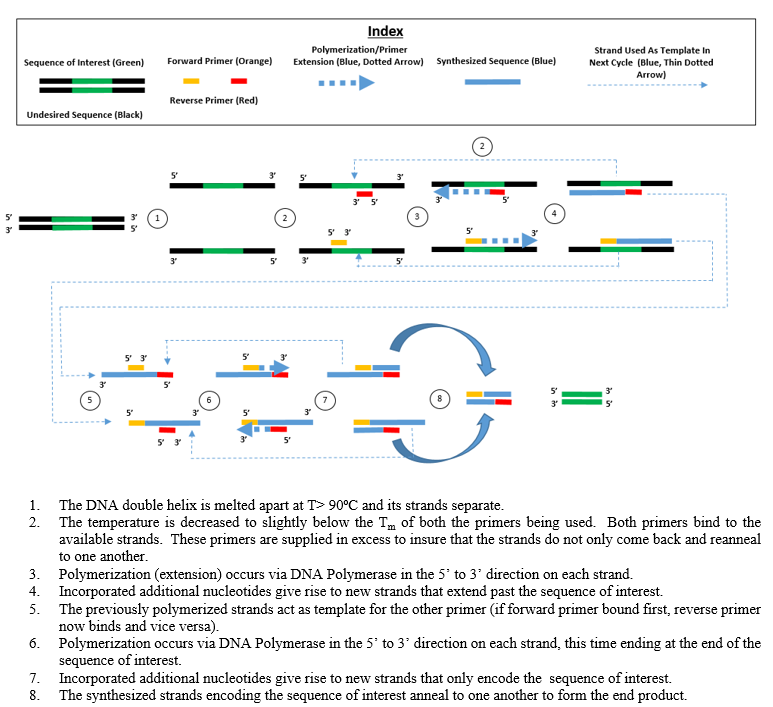
A standard PCR process consists of an initial setup followed by multiple cycles of three main stages. In some cases, a hot-start PCR is used, which begins with an Initialization step where the chamber is heated to 94–96 °C (or 98 °C for extremely thermostable enzymes) for 1–10 minutes to activate the polymerase.
The Three Stages of a Cycle
- Denaturation: The reaction is heated to a high temperature to physically separate the two strands of the DNA double helix.
- Annealing: The temperature is lowered to 50–65 °C for 20–40 seconds. This allows the primers to bind (anneal) to their complementary sequences at the 3' end of the target region on each single strand.
- Elongation: The DNA polymerase enzymatically assembles a new DNA strand by adding free nucleotides to the primers, using the original strands as templates.
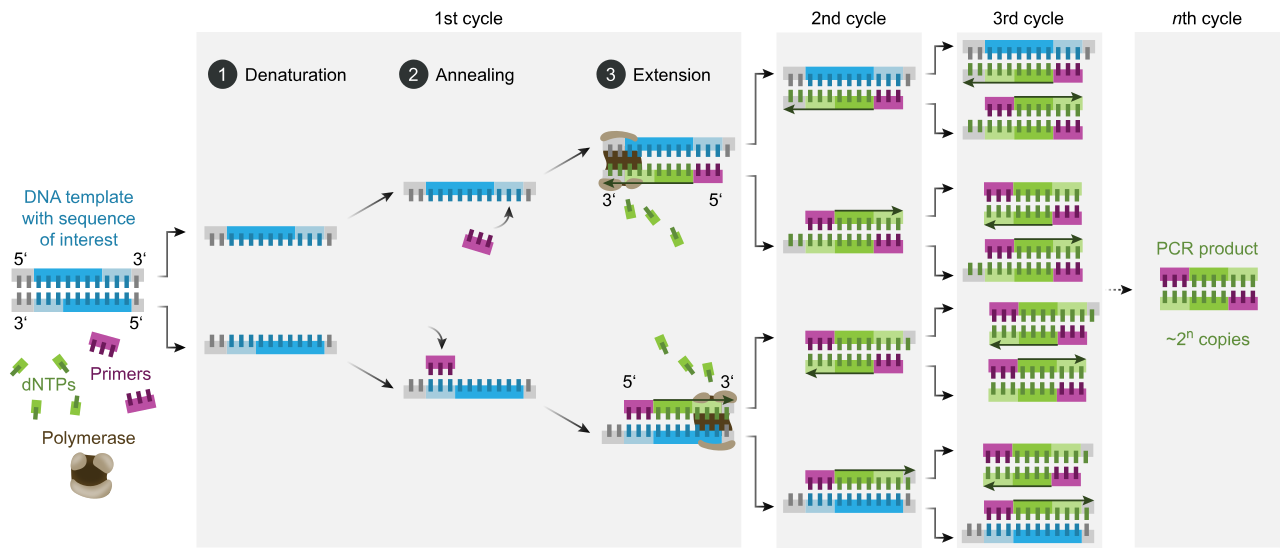
These three steps constitute a single cycle. Because the newly generated DNA also serves as a template in the next cycle, the amplification is exponential. For example, after 30 cycles, a single double-stranded DNA target can be amplified into 230, or 1,073,741,824 copies.
Finally, an optional Final Elongation step may be performed at 70–74 °C for 5–15 minutes to ensure any remaining single-stranded DNA is fully completed.
PCR Summary Table
| Component/Stage | Role/Temperature | Purpose |
|---|---|---|
| Primers | Short Oligonucleotides | Define target region and initiate synthesis |
| DNA Polymerase | Thermostable Enzyme | Synthesizes new DNA strands |
| Denaturation | High Temp (~94-98 °C) | Separates double-stranded DNA |
| Annealing | Low Temp (50-65 °C) | Binds primers to target DNA |
| Elongation | Optimal Enzyme Temp | Builds the new DNA strand |
Practical Applications of PCR
The ability to amplify minute amounts of DNA has revolutionized several fields:
Medical and Diagnostic Applications
PCR is used to characterize and detect infectious disease organisms with high sensitivity, allowing for faster and more accurate diagnoses of viral and bacterial infections.
Forensic Science
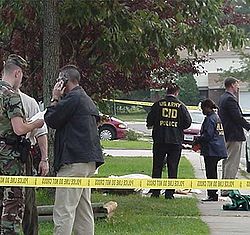
PCR is fundamental to DNA fingerprinting. By amplifying specific regions of DNA, forensic scientists can create a unique genetic profile to identify individuals or determine biological relationships.

Molecular Research
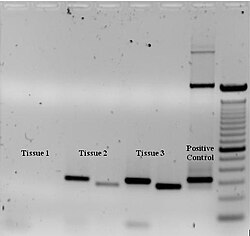
Researchers use PCR for the selective isolation of DNA, quantification of genetic material, and the study of ancient DNA samples that would otherwise be too degraded or sparse to analyze.
Frequently Asked Questions
Who invented PCR and why is it important?
PCR was invented by Kary Mullis in 1983. It is important because it allows scientists to take a very small sample of DNA and amplify it into millions of copies, making it possible to study specific genes or identify pathogens that were previously undetectable.
What is the difference between denaturation and annealing?
Denaturation is the high-temperature phase that breaks the bonds between the two strands of the DNA helix to make them single-stranded. Annealing is the cooling phase that allows short DNA primers to bind to the specific target sequences on those single strands.
How many copies of DNA are produced in 30 cycles?
Because PCR amplification is exponential (2n), 30 cycles result in 230 copies, which equals 1,073,741,824 copies of the original target region.
What is a thermostable DNA polymerase?
It is a specialized enzyme that can function at the high temperatures required for DNA denaturation without being destroyed. This eliminates the need to add new enzymes after every heating cycle.
How is PCR used in forensics?
PCR is used in DNA fingerprinting to amplify specific, highly variable regions of a person's genome. These amplified fragments create a unique pattern that can be used to match a suspect to a crime scene or establish paternity.