The Sims 2: A Legacy of Social Simulation
Released in 2004, The Sims 2 redefined the social simulation genre. Developed by Maxis Redwood Shores and published by Electronic Arts, this sequel expanded the boundaries of virtual living, introducing deeper emotional complexity and a more dynamic world than its predecessor. From the meticulous detail of the Create-a-Sim tool to the sprawling neighborhoods, the game allowed players to orchestrate every aspect of their digital citizens' lives.
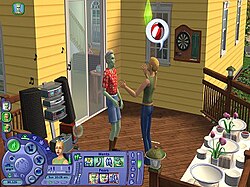
At its core, the game focuses on the daily lives of Sims, where players manage their needs, build relationships, and pursue careers. The introduction of more sophisticated social mechanics allowed for a wider range of interactions, including the ability to socialize with non-human entities.
Key Facts
- Developer: Maxis Redwood Shores
- Publisher: Electronic Arts
- Initial Release: September 14, 2004 (Windows)
- Genre: Social simulation
- Platforms: Windows, Mac OS X, Game Boy Advance, GameCube, Nintendo DS, Mobile, PlayStation 2, Xbox, PlayStation Portable, and Java ME
- Key Innovators: Directed by Matt Brown and Charles London
Core Gameplay Mechanics
Creating and Customizing Sims
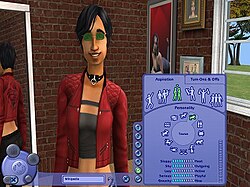
One of the most significant advancements in the sequel was the Create-a-Sim tool, which provided players with unprecedented control over the physical appearance and personality of their characters. This tool allowed for a high degree of personalization, making each Sim unique.
Social Dynamics and Psychology
The game introduced complex psychological layers to Sim interactions. Chemistry determined the natural attraction between Sims, while Fury and Reputation tracked the long-term consequences of social conflicts and public behavior. These systems ensured that relationships felt organic and reactive.
Neighborhoods and Environment
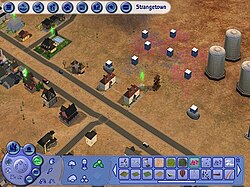
Unlike the static environments of earlier iterations, The Sims 2 featured distinct neighborhoods. These areas could be customized with decorative objects, allowing players to shape the aesthetic and atmosphere of their virtual towns.
Expansion and Evolution
The longevity of The Sims 2 was driven by a massive array of expansion packs and stuff packs that added new life stages, careers, and supernatural elements. These additions transformed the base game into a comprehensive life simulator.
| Expansion Name | Key Additions | New Lifestates/Creatures | New Neighborhoods |
|---|---|---|---|
| University | Young adult age group, influence system | Zombie | Académie Le Tour, La Fiesta Tech, Sim State University |
| Nightlife | Downtown areas, dating | Vampire | Downtown |
| Open for Business | Business ownership, talent badges | Servo (Robot) | Bluewater Village |
| Pets | Ownable pets, pet careers | Werewolf | N/A |
| Seasons | Weather system, gardening, fishing | PlantSim | Riverblossom Hills |
| Bon Voyage | Vacations, cultural areas | Bigfoot | Takemizu Village, Three Lakes, Twikkii Island |
| FreeTime | Hobbies, hobby instructors | Genie | Desiderata Valley |
| Apartment Life | Rentable apartments, witchcraft | Witch | Belladonna Cove |
Frequently Asked Questions
What platforms was The Sims 2 released on?
The game was widely available across multiple platforms, including Windows, Mac OS X, GameCube, Xbox, PlayStation 2, Nintendo DS, Game Boy Advance, PlayStation Portable, and mobile devices via Java ME.
What is the 'Create-a-Sim' tool?
Create-a-Sim is a specialized editor that allows players to customize the physical appearance, clothing, and personality traits of their Sims before they enter the game world.
Which expansion pack introduced the young adult age group?
The University expansion pack introduced the young adult age group, allowing Sims to attend college and experience a transitional phase of life.
Are there supernatural creatures in The Sims 2?
Yes, through various expansions, players can encounter and control several supernatural beings, including Vampires, Werewolves, Zombies, Genies, Witches, and PlantSims.
What were the 'Stuff Packs'?
Stuff Packs were smaller add-ons that provided new furniture and clothing items without adding major gameplay mechanics. Examples include the H&M Fashion Stuff and IKEA Home Stuff packs.