The Sims 2: A Comprehensive Look at the Social Simulation Icon
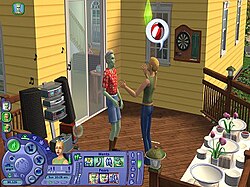
Released in 2004, The Sims 2 stands as a landmark title in the social simulation genre. Developed by Maxis Redwood Shores and published by Electronic Arts, this sequel expanded the horizons of life simulation, offering players unprecedented depth in character creation, social dynamics, and environmental customization. From its initial launch on Windows to its wide availability on various consoles and handhelds, the game has left an indelible mark on gaming history.
Key Facts
- Developer: Maxis Redwood Shores
- Publisher: Electronic Arts
- Initial Release: September 14, 2004 (Windows)
- Genre: Social simulation
- Core Mechanics: Create-a-Sim, influence, chemistry, fury, and reputation systems
- Major Platforms: Windows, Mac OS X, PlayStation 2, Xbox, GameCube, and various handhelds
Core Gameplay and Mechanics
At the heart of The Sims 2 is the Create-a-Sim tool, which allows players to meticulously design their characters. Unlike its predecessor, this sequel introduced complex social layers that dictate how Sims interact with one another.
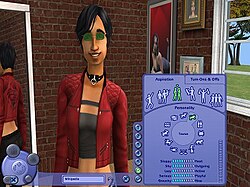
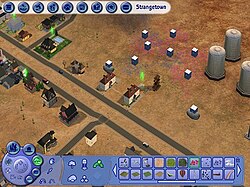
Players must navigate various social influences, including chemistry (the natural attraction between Sims), fury, and reputation. These elements ensure that every social interaction has a lasting impact on a Sim's life and standing within their community. The game also features diverse career paths and customizable neighborhoods, allowing for highly personalized storytelling.
Expansion Packs and Content Evolution
The longevity of The Sims 2 was driven by a robust series of expansion packs, each introducing new mechanics, creatures, and environments. These additions transformed the base game into a massive ecosystem of possibilities.
Major Expansion Packs
- University: Introduced the young adult age group, a campus setting, and the influence system.
- Nightlife: Added downtown areas and the vampire lifestate.
- Open for Business: Enabled players to run businesses and introduced the Servo robot.
- Pets: Brought ownable animals into the game, including werewolves.
- Seasons: Introduced a weather system, gardening, and the PlantSim.
- Bon Voyage: Focused on vacations in diverse cultural areas like Takemizu Village.
- FreeTime: Centered on hobbies and introduced the Genie.
- Apartment Life: Added rentable apartments and a witchcraft system.
| Expansion Pack | Key Addition | New Creature/Lifestate |
|---|---|---|
| University | Young adult age group | Zombie |
| Nightlife | Downtown districts | Vampire |
| Open for Business | Business ownership | Servo (Robot) |
| Pets | Ownable pets | Werewolf |
| Seasons | Weather and gardening | PlantSim |
| Bon Voyage | Vacation destinations | Bigfoot |
| FreeTime | Hobbies | Genie |
| Apartment Life | Rentable apartments | Witch |
Platform Availability
The Sims 2 was designed for a wide audience, reaching beyond the PC. While the Windows version saw the most extensive expansion support, the game was also ported to several other platforms:
- Desktop: Windows and Mac OS X
- Consoles: PlayStation 2, Xbox, and GameCube
- Handhelds: Game Boy Advance, Nintendo DS, and PlayStation Portable (PSP)
- Mobile: Java ME versions
Frequently Asked Questions
What is the Create-a-Sim tool?
Create-a-Sim is the foundational character creation tool that allows players to design the physical appearance and personality traits of their Sims.
Which expansion pack introduced supernatural creatures?
Several packs introduced supernatural elements, including Nightlife (Vampires), Pets (Werewolves), Seasons (PlantSims), Bon Voyage (Bigfoot), FreeTime (Genies), and Apartment Life (Witches).
What are the different editions of The Sims 2?
The game has been released in various editions, including the Special DVD Edition, Holiday Editions, Deluxe, Double Deluxe, and the Ultimate Collection.
Can I play The Sims 2 on a Mac?
Yes, The Sims 2 was released for Mac OS X, with major North American releases occurring in June 2005.
What is the difference between expansion packs and stuff packs?
Expansion packs introduce major new gameplay mechanics, worlds, and life states, whereas stuff packs focus on specific themes like fashion (H&M Fashion Stuff) or interior design (IKEA Home Stuff).