The Koufax Curse: Faith and Performance in Major League Baseball
In the world of Major League Baseball (MLB), superstitions are as common as the game itself. Among the most intriguing is the Koufax Curse, a theory suggesting that Jewish players who choose to play on Yom Kippur—the holiest day of the Jewish calendar—are destined to perform poorly, potentially bringing misfortune to their teams.
The Origins of the Curse
The theory takes its name from Hall of Fame pitcher Sandy Koufax. Koufax became a symbol of faith and conviction when he famously sat out Game 1 of the 1965 World Series to observe Yom Kippur. While other players, such as Hank Greenberg, had opted out of games for the holiday previously, Koufax's decision remains the most prominent because it occurred during the World Series rather than the regular season.
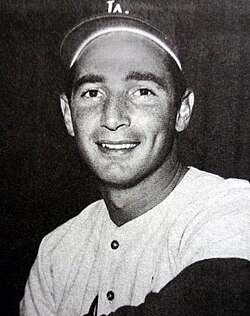
The specific term "Koufax Curse" was coined more recently by writer Armin Rosen during the 2019 MLB postseason. The phrase gained traction after three Jewish players—Joc Pederson, Alex Bregman, and Max Fried—decided to play on Yom Kippur, only to see their respective teams suffer losses.
Analyzing the Data: Fact vs. Folklore
To determine if there is any statistical truth to the curse, Professor Howard Wasserman, a baseball enthusiast and academic, conducted a detailed study published in the National Journal (the official publication of the Society for American Baseball Research). Wasserman analyzed the decisions and outcomes of 18 Jewish pitchers and 18 Jewish position players who faced the choice of playing on Yom Kippur.
His findings suggest that the "curse" does not necessarily target the individual player's performance. Instead, he noted that while the Jewish players themselves performed adequately, their teams as a whole tended to perform worse overall when those players played on the holiday.
| Aspect | Details |
|---|---|
| Core Theory | Playing on Yom Kippur leads to poor performance or team losses. |
| Namesake | Sandy Koufax (1965 World Series). |
| Term Coined By | Armin Rosen (2019). |
| Research Finding | Individual performance is stable, but team outcomes are often worse. |
Key Facts
- The Koufax Curse refers to the belief that playing on Yom Kippur leads to bad luck for Jewish MLB players.
- Sandy Koufax is the most famous example of a player sitting out a high-stakes game (1965 World Series) for the holiday.
- The term was popularized in 2019 following losses by teams featuring Joc Pederson, Alex Bregman, and Max Fried.
- Research by Professor Howard Wasserman indicates the negative impact is seen in overall team performance rather than the individual Jewish player's stats.
Based on these findings, Wasserman suggests a shift in how teams handle the holiday. He argues that teams should encourage Jewish players to observe Yom Kippur without the pressure of a "dilemma" between their faith and their teammates, moving away from the narrative that missing a single game lets the team down.
Frequently Asked Questions
What is the Koufax Curse?
It is a baseball theory suggesting that Jewish players who play on Yom Kippur, the holiest day in Judaism, are doomed to play poorly or cause their teams to lose.
Why is Sandy Koufax associated with this theory?
Sandy Koufax is the namesake because he famously chose to sit out Game 1 of the 1965 World Series to observe the holiday, setting a high-profile precedent for faith over sport.
Who coined the term "Koufax Curse"?
The term was coined by writer Armin Rosen during the 2019 MLB postseason.
Does the curse actually affect individual player performance?
According to research by Professor Howard Wasserman, individual Jewish players perform well enough on the day; however, their teams as a whole tend to perform worse.
Did other players sit out for Yom Kippur before Sandy Koufax?
Yes, Hank Greenberg is noted as having sat out for the holiday prior to Koufax.