The Fleischmann's Yeast Hour: Rudy Vallée's Pioneering Radio Variety Show
In the early days of broadcasting, few programs captured the American imagination quite like The Fleischmann's Yeast Hour. Also known as The Rudy Vallée Show, this musical variety program was a cornerstone of the NBC network from 1929 to 1936. Sponsored by Fleischmann’s Yeast, the show helped define the variety format, blending music, comedy, and star-studded guest appearances into a national phenomenon.
The show's existence was largely due to the vision of NBC executive Bertha Brainard. Appointed as the head of programming in 1928, Brainard recognized the unique appeal of singer and bandleader Rudy Vallée. She championed Vallée as a host, famously arguing that a woman's perspective was essential to understanding the specific charm and draw of Vallée's voice.
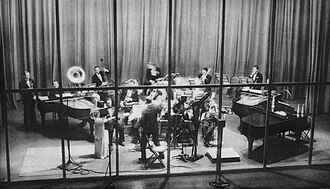
Key Facts
- Broadcast Period: 1929 to 1936 (as Fleischmann's Yeast Hour); 1936 to 1939 (as The Royal Gelatin Hour).
- Network: NBC.
- Host: Rudy Vallée.
- Sponsor: Standard Brands (via Fleischmann’s Yeast and Royal Gelatin).
- Historical Milestone: Louis Armstrong became the first African American to host a national network program during Vallée's 1937 vacation.
- Popularity: Ranked among the top five most popular shows annually between 1929 and 1935.
The Regulars and Rising Stars
Premiering on October 29, 1929, the program quickly ascended the ratings. During the 1930–31 season, it was the second most popular show in the country, trailing only Amos 'n' Andy. While Rudy Vallée was the central figure, the show featured a rotating cast of regulars, including Ole Olsen and Chic Johnson in 1932, and later Tom Howard and George Shelton in 1935.
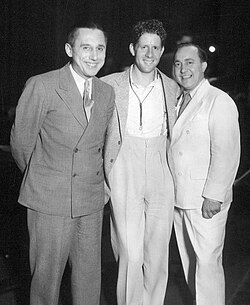
The ensemble was rounded out by character actors such as Henry Armetta and Will Aubrey, the latter of whom performed as the "Bard of the Byways."
A Launchpad for Legends
The program served as a critical introduction for many artists who would become household names. The American public first encountered talents such as Milton Berle, Burns and Allen, Kate Smith, and Red Skelton on this stage. It also marked the radio debuts of Gloria Swanson and Vincent Price.
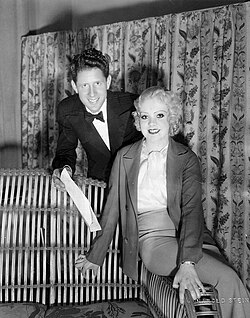
Other notable guests included a diverse array of stars such as James Cagney, Fanny Brice, Ethel Merman, and A. A. Milne. A significant milestone in radio history occurred on December 17, 1936, when Edgar Bergen and his puppet Charlie McCarthy appeared, making Bergen the first ventriloquist to successfully perform on national radio.
Transition to The Royal Gelatin Hour
In 1936, the program underwent a title change to become The Royal Gelatin Hour. Because both yeast and gelatin products were manufactured by Standard Brands, the sponsorship remained consistent despite the name change. This iteration of the show continued until September 28, 1939, featuring guests such as Bob Hope, Carmen Miranda, Noël Coward, and Peter Lorre.

Following the conclusion of the series, Rudy Vallée remained a staple of NBC, working with various sponsors including Kraft Foods, Sealtest, Philip Morris cigarettes, and Procter & Gamble's Drene Shampoo.
Program Summary
| Feature | Details |
|---|---|
| Primary Host | Rudy Vallée |
| Network | NBC |
| Original Run | 1929–1936 |
| Successor Run | 1936–1939 (The Royal Gelatin Hour) |
| Key Sponsor | Standard Brands |
| Notable Firsts | First national radio ventriloquist (Edgar Bergen); First African American national host (Louis Armstrong) |
Frequently Asked Questions
Who was responsible for bringing Rudy Vallée to NBC?
Bertha Brainard, the head of programming for NBC starting in 1928, was the executive who pushed for Vallée to host the variety series.
How did the show's sponsorship change over time?
The show was originally sponsored by Fleischmann’s Yeast. When it became The Royal Gelatin Hour in 1936, the sponsor shifted to Royal Gelatin. Both brands were owned by the same parent company, Standard Brands.
What was the significance of Louis Armstrong's appearance on the show?
At the insistence of Rudy Vallée, Louis Armstrong hosted the program during Vallée's summer vacation in 1937, making him the first African American to host a national network program.
Which famous comedians got their start or appeared on the show?
The show introduced or featured many comedy legends, including Milton Berle, Burns and Allen, Red Skelton, and Bob Hope.
When did the program finally end?
The program concluded its run on September 28, 1939.