Rudy Vallée: The Original Teen Idol and Multimedia Pioneer
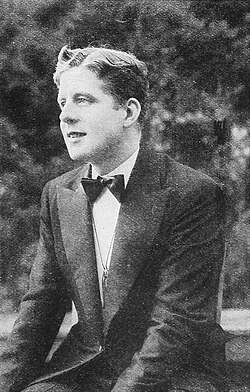
Long before the era of modern pop superstardom, Rudy Vallée emerged as one of America's first true teen idols. A versatile talent who excelled as a singer, musician, actor, and radio host, Vallée bridged the gap between the jazz age and the golden era of broadcasting. With his suave demeanor and boyish charm, he captured the hearts of a generation, paving the way for the celebrity culture we recognize today.
Born Hubert Prior Vallée on July 28, 1901, in Island Pond, Vermont, he grew up in Westbrook, Maine. His early life was marked by a daring spirit; at just 15 years old, he enlisted in the U.S. Navy to fight in World War I by falsifying his birth date. However, authorities discovered the deception, and he was discharged in May 1917 after 41 days of service.
Key Facts
- Pioneer Status: One of the first modern pop stars of the "teen idol" type.
- Musical Style: Known for a thin, wavering tenor voice suited for sweet ballads.
- Radio Innovation: Hosted influential shows like The Fleischmann's Yeast Hour.
- Civil Rights Milestone: Insisted that Louis Armstrong substitute for him on his national radio show in 1937.
- Military Service: Served as a Lieutenant in the U.S. Coast Guard during WWII, leading a 40-piece band.
- Entrepreneurship: Founded Vallee-Video, an early television production company.
The Rise of a Musical Sensation
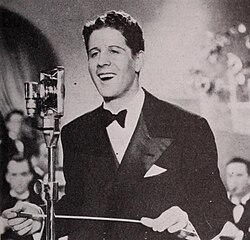
Vallée's musical journey began with the drums in high school, followed by stints playing clarinet and saxophone in New England bands. His ambitions took him to London, where he played with the Savoy Havana Band from 1924 to 1925. Although his bandmates initially discouraged his singing, Vallée persisted. After earning a philosophy degree from Yale University—where he performed with the Yale Collegians—he formed his own group, Rudy Vallée and the Connecticut Yankees, in 1928.
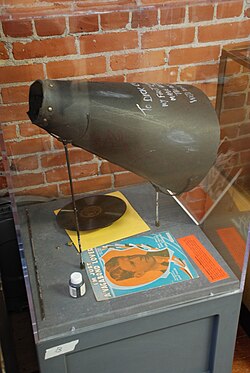
Naming himself after saxophonist Rudy Wiedoeft, Vallée found success with a sound that favored sweet ballads over hard jazz. His appeal was immediate, particularly among young women. Because his voice lacked the natural projection required for large venues without amplification, he famously sang through a megaphone to reach his audience.
Recording Career and Hits
Vallée's recording history was a whirlwind of labels, including Columbia, RCA Victor, and the short-lived Hit of the Week. His most enduring recordings with the Connecticut Yankees include "The Stein Song" (1929) and "Vieni, Vieni." Interestingly, one of his last hits was a 1942 reissue of "As Time Goes By," which gained new popularity due to the film Casablanca and a recording ban by the American Federation of Musicians (AFM).
Expanding into Radio and Film
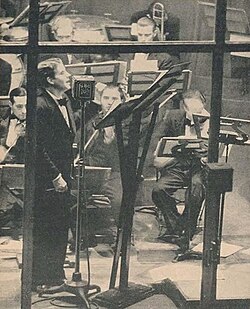
Vallée was a titan of early radio. Starting in 1929, he hosted The Fleischmann's Yeast Hour, where he became a household name. He is also credited with a unique piece of trivia: on July 28, 1933, he was the recipient of the first-ever singing telegram.
His transition to film began in 1929 with The Vagabond Lover. While his early acting was described as wooden, he evolved into a skilled comedic supporting actor. By the 1940s, he worked with director Preston Sturges in hits like The Palm Beach Story (1942). His versatility later led him to Broadway in How to Succeed in Business Without Really Trying and television roles in the 1960s Batman series.
Vallee-Video and Television Innovation
Between 1948 and 1952, Vallée ventured into the nascent world of television by founding Vallee-Video. The company produced 16mm film shorts and was a pioneer in early TV animation with the show Tele-Comics. The company's potential peak was a 1952 pilot for a Dick Tracy show starring Ralph Byrd; however, Byrd's death in August 1952 effectively ended the production and the company.
Personal Life and Legacy
Vallée's personal life was as eventful as his career. He was married four times and was known for a "too-quick temper," which occasionally resulted in physical altercations on set. Despite these flashes of volatility, he remained a respected figure in entertainment.
Rudy Vallée passed away from cancer on July 3, 1986, at the age of 84. His legacy is preserved through his induction into the Vermont Association of Broadcasters Hall of Fame in 2011 and a Golden Palm Star on the Palm Springs Walk of Stars.
| Category | Details |
|---|---|
| Active Years | 1924–1984 |
| Primary Instruments | Vocals, Saxophone, Clarinet |
| Key Musical Group | The Connecticut Yankees |
| Notable Radio Show | The Fleischmann's Yeast Hour |
| Major Film Role | John D. Hackensacker III in The Palm Beach Story |
Frequently Asked Questions
Why did Rudy Vallée use a megaphone?
Vallée's voice was a thin tenor that did not project well in large venues. Before the widespread use of powerful electronic amplification, he used a megaphone to ensure his audience could hear him.
How did Rudy Vallée contribute to racial integration in radio?
In 1937, during his contractual vacations, Vallée insisted that his sponsor hire Louis Armstrong as his substitute, marking the first time an African-American hosted a national radio program.
What was Vallee-Video?
Vallee-Video was a television production company owned by Vallée from 1948 to 1952. It produced 16mm shorts and early cartoon programming like Tele-Comics.
What was Vallée's role during World War II?
He enlisted in the United States Coast Guard as a Chief Petty Officer and was later promoted to Lieutenant, where he directed a successful 40-piece Coast Guard band.
Which film is considered one of his best comedic performances?
He is highly regarded for his role as John D. Hackensacker III in the 1942 screwball comedy The Palm Beach Story, directed by Preston Sturges.