The Fall of Princes: John Lydgate's Epic Narrative of Tragedy
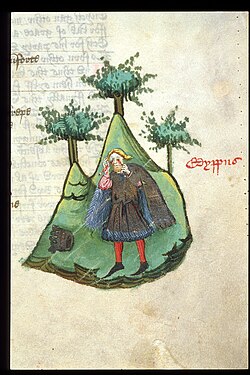
In the landscape of 15th-century English literature, few works command as much scale and historical weight as The Fall of Princes. Authored by the English poet John Lydgate between 1431 and 1438, this massive poetic undertaking serves as a profound meditation on the fragility of human fortune and the inevitable descent of the powerful.
The poem is not merely a collection of stories but a structured exploration of the lives and tragic ends of numerous historical and legendary figures. Through its vast narrative, Lydgate examines how greatness can vanish, leaving behind only the echoes of former glory.
Literary Origins and Influences
Lydgate did not create his subject matter from a vacuum. Instead, he drew inspiration from the works of the Italian writer Giovanni Boccaccio. Specifically, the poem is based on Boccaccio's De Casibus Virorum Illustrium. Lydgate utilized a French translation of this work, titled Des Cas des nobles hommes et femmes, written by Laurent de Premierfait, to construct his English masterpiece.
By adapting these continental themes, Lydgate helped bridge the gap between Mediterranean humanism and the developing English poetic tradition, creating a work that would influence generations of writers to come.
Structure and Poetic Form
The sheer magnitude of The Fall of Princes is staggering. The poem is organized into nine books and spans approximately 36,000 lines. To manage this immense volume, Lydgate employed a specific metrical structure known as rhyme royal. Rhyme royal is a stanza form consisting of seven lines in iambic pentameter, following an ABABBCC rhyme scheme.
This formal structure provides a rhythmic, stately pace to the storytelling, allowing the poet to navigate the complex emotional landscapes of his characters. An example of this verse style can be seen in the following lines:
Out of her swoone when she did abbraide, Knowing no mean but death in her distrèsse, To her brothèr full piteously she said, "Cause of my sorrowe, roote of my heavinesse, That whilom were the sourse of my gladnèsse, When both our joyes by wille were so disposed, Under one key our hearts to be enclosed."
A Legacy of Sequels
The influence of Lydgate's work extended well into the following century. In the 16th century, a collection of poems titled The Mirror for Magistrates was produced by various authors. This work is recognized as a sequel to The Fall of Princes, continuing the tradition of using historical tragedy as a moral and political mirror for contemporary society.
Key Facts
- Author: John Lydgate
- Composition Period: 1431–1438
- Total Length: Approximately 36,000 lines
- Structure: Nine books written in rhyme royal stanzas
- Primary Source: Giovanni Boccaccio's De Casibus Virorum Illustrium
- Successor Work: The Mirror for Magistrates (16th century)
Summary of The Fall of Princes
| Feature | Details |
|---|---|
| Poet | John Lydgate |
| Date Written | 1431–1438 |
| Total Books | 9 |
| Poetic Form | Rhyme Royal |
| Subject Matter | Tragic lives of historical and legendary figures |
Frequently Asked Questions
What is the main theme of The Fall of Princes?
The poem focuses on the lives and tragic deaths of historical and legendary figures, illustrating the concept of the inevitable fall from power and prosperity.
What is rhyme royal?
Rhyme royal is a poetic stanza form consisting of seven lines with a specific rhyme scheme (ABABBCC), used by Lydgate to structure his 36,000 lines of verse.
Who influenced John Lydgate's writing?
Lydgate was heavily influenced by Giovanni Boccaccio, specifically his work De Casibus Virorum Illustrium, which Lydgate accessed via a French translation by Laurent de Premierfait.
Is there a sequel to this poem?
Yes, a 16th-century poem titled The Mirror for Magistrates, written by various authors, serves as a sequel to The Fall of Princes.
How long did it take Lydgate to write the poem?
Lydgate composed the poem over a period of seven years, between 1431 and 1438.