Teatro Colón: The Architectural and Acoustic Jewel of Buenos Aires
Standing as a beacon of culture in the heart of Argentina's capital, the Teatro Colón is more than just an opera house; it is a global symbol of artistic excellence. Recognized by National Geographic as one of the ten best opera houses in the world, this architectural masterpiece is renowned for its unparalleled sonic quality. According to acoustics expert Leo Beranek, the venue possesses the finest acoustics for opera and the second-best for concerts globally.
From its eclectic design to its storied history of hosting the world's most legendary performers, the Teatro Colón continues to be a primary destination for lovers of classical music, ballet, and opera.
Key Facts
- Location: Tucumán 1171, Buenos Aires, Argentina.
- Acoustic Status: Ranked among the top five performance venues worldwide.
- Capacity: 2,478 seats, with additional standing room for 1,000.
- Architectural Style: Eclectic, blending Italian and French influences.
- Status: Declared a National Historic Monument of Argentina in 1991.
- Resident Companies: Home to the Resident Orchestra, Resident Choir, Resident Ballet, and the Buenos Aires Philharmonic Orchestra.
The Evolution of the Theatre
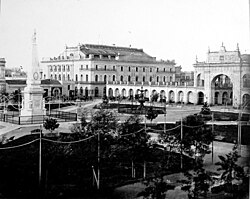
The current grandeur of the Teatro Colón is the result of a long evolutionary process. The original theatre opened in 1857, designed by Charles Pellegrini. For over 30 years, it served as a successful venue with 2,500 seats, including a specialized gallery for those in mourning to attend performances while remaining sequestered from public view.
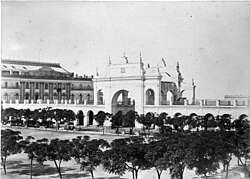
By the late 19th century, the need for a more modern and expansive facility became evident. The first theatre closed its doors on September 13, 1888, to make way for the current structure. However, the transition was not seamless; the 1890 economic crisis and various tragedies delayed the project for two decades.
The Construction of the Present Landmark
The cornerstone of the present building was laid in 1889. The project was initially led by Italian architect Francesco Tamburini and his pupil Vittorio Meano, who aimed to create a venue that matched the scale and luxury of Europe's finest houses. Following the deaths of Tamburini in 1891 and Meano in 1904, the Belgian architect Julio Dormal took over, completing the structure and introducing French-style decorative elements.
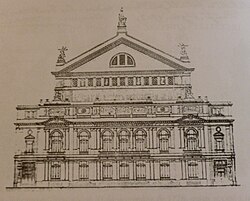
The theatre finally opened on May 25, 1908, with a performance of Giuseppe Verdi's Aïda. This date, known as the Día de la Patria, marked the beginning of an era where the Colón would rival La Scala and the Metropolitan Opera in attracting the world's elite talent.
Architectural and Technical Mastery
The Teatro Colón is an eclectic structure—a style that blends various historical architectural influences. The building features six floors above ground and three below, with a facade of applied masonry and bas-reliefs sculpted by Luigi Trinchero.
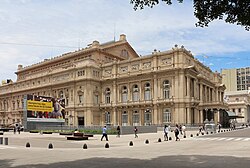
The auditorium is designed in a classic horseshoe shape, which contributes significantly to its legendary acoustics. The stage is a massive space measuring 20 meters wide, 15 meters high, and 20 meters deep. One of the most striking interior features is the large central chandelier, which houses 700 light bulbs.
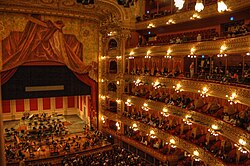
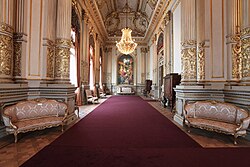
The interior is characterized by a rich scarlet and gold color palette. The cupola features a canvas painted in 1966 by the 20th-century artist Raúl Soldi, adding a modern artistic touch to the classical surroundings.
Summary of Technical Specifications
| Feature | Detail |
|---|---|
| Architects | Francesco Tamburini, Julio Dormal, Vittorio Meano |
| Construction Period | 1889 – 1908 |
| Height | 28 metres |
| Diameter | 58 metres |
| Structural System | Concrete |
| Seating Capacity | 2,478 |
A Legacy of World-Class Performance
Throughout its history, the Teatro Colón has hosted a breathtaking array of talent. Legendary opera singers like Maria Callas, Luciano Pavarotti, and Plácido Domingo have graced its stage, alongside conductors such as Leonard Bernstein and Herbert von Karajan. The ballet world has seen the likes of Anna Pavlova, Mikhail Barishnikov, and Rudolf Nureyev perform here.
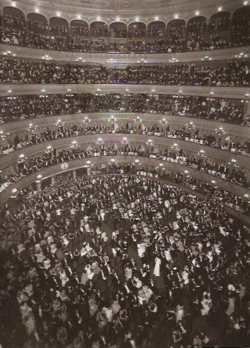
The theatre has also been a platform for Argentine greats, including Daniel Barenboim, Martha Argerich, and Astor Piazzolla. Its influence extends beyond classical realms, having hosted diverse artists such as Chris Cornell and Sarah Brightman.
Modern Restoration and Renewal
To preserve its legacy, the theatre underwent a massive refurbishment between 2005 and 2010. What began as a planned 18-month project evolved into a comprehensive $100-million restoration involving 1,500 workers, including 130 architects and engineers. Over 60,000 square metres were updated to ensure the building's structural integrity and aesthetic brilliance.
The theatre reopened on May 24, 2010, coinciding with the Bicentennial of Argentina. The reopening gala featured Tchaikovsky's Swan Lake and Puccini's La bohème, confirming that the venue's world-famous acoustics remained intact.
Frequently Asked Questions
Why is the Teatro Colón famous for its acoustics?
The theatre's horseshoe-shaped auditorium and specific structural design create a sonic environment that experts, including Leo Beranek, rank as the best in the world for opera and among the top two for concerts.
Who were the architects of the current building?
The project was started by Francesco Tamburini and Vittorio Meano, and was eventually completed by the Belgian architect Julio Dormal, who added French-style decorations.
When was the Teatro Colón declared a National Historic Monument?
The theatre was officially declared a National Historic Monument of Argentina in 1991.
How long did the most recent major renovation take?
The full refurbishment took place from October 2006 to May 2010, involving a total update of 60,000 square metres of the facility.
What is the seating capacity of the auditorium?
The auditorium has 2,478 seats, which is slightly more than the Royal Opera House in Covent Garden, London, and can accommodate an additional 1,000 people in standing areas.