Taxi Services: History, Evolution, and Global Regulation
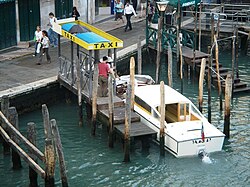
A taxi, also known as a taxicab or cab, is a vehicle for hire that provides point-to-point transportation for passengers. Unlike public transport, which operates on fixed routes and schedules, taxis typically offer exclusive, non-shared travel. While some hybrid modes like share taxis and demand-responsive transport exist, the core of the taxi service is its flexibility and directness.
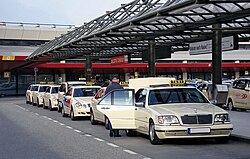
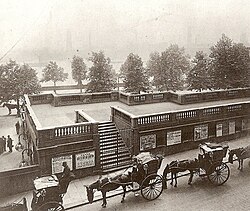
Across the globe, the methods of hiring, dispatching, and regulating these vehicles vary significantly. Generally, taxis fall into three primary categories: hackney carriages (street taxis licensed for hailing), private hire vehicles (minicabs requiring pre-booking), and limousines (specialized luxury vehicles available by pre-booking).
Key Facts
- The first taximeters were introduced in Paris on March 9, 1898.
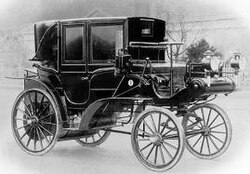
- The 1897 Daimler Victoria was the first motorized-powered taxicab.
- Environmental shifts have led to widespread adoption of LPG, CNG, and hybrid engines.
- Safety measures like bulletproof partitions and security cameras were introduced to protect drivers from high homicide rates.
- Deregulation results vary by region, ranging from increased competition to the rise of violent cartels in some areas.
The Evolution of the Taxicab

Etymology and Early Technology
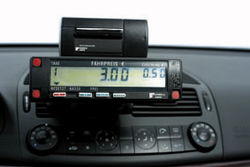
The term "taxi" is derived from the taximeter, a device used to calculate fares based on distance and time. These meters first appeared in Paris in 1898 as taxamètres before being renamed taximètres in 1904. The word "taxicab" was later adopted in London and brought to New York City in 1907 by Harry Nathaniel Allen of The New York Taxicab Company.
From Horse-Drawn to Motorized
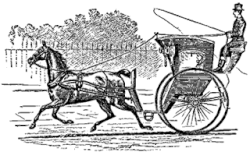
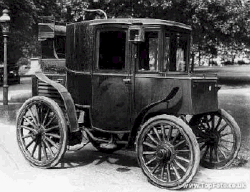
Before the internal combustion engine, hansom cabs and other horse-drawn carriages dominated urban transport. The transition to motorized travel began in the late 19th century, marked by the 1897 Daimler Victoria and the Electric Hansom of 1898-1899.
Taxis in Times of Crisis
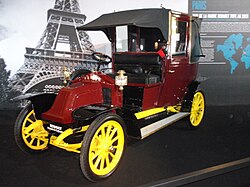
Taxis have occasionally served as vital emergency transport. A notable historical example occurred during the First Battle of the Marne, where Paris taxis transported 6,000 soldiers to the front lines.
Modern Vehicle Trends and Accessibility
Diverse Global Fleets
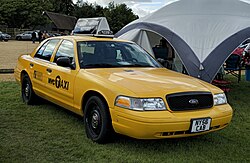
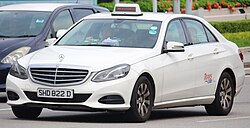
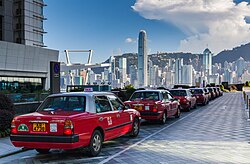
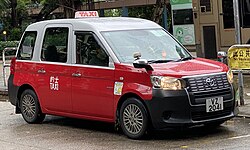
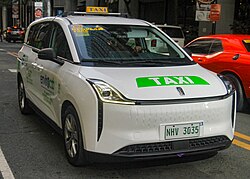
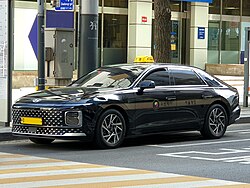
Different regions favor different vehicles based on reliability and local needs. For instance, the Ford Crown Victoria was a staple of the American "Yellow Cab" era, while Mercedes-Benz is highly regarded for reliability in markets like Singapore. In Asia, the Toyota Crown Comfort and JPN Taxis are common sights in cities like Hong Kong.
Inclusive Transportation
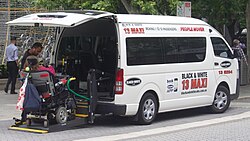
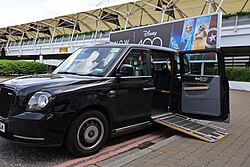
Modern regulations emphasize accessibility. Many cities now require wheelchair-accessible taxicabs, featuring wide doors and fold-out ramps to ensure all passengers can travel independently.
Environmental Impact and Alternative Energy
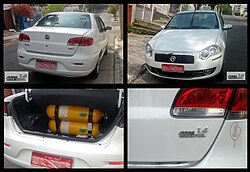
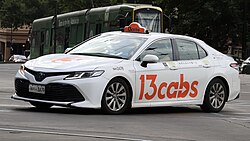
To combat urban pollution, many cities have transitioned to alternative propulsion systems. In Australia, LPG (Liquefied Petroleum Gas) and hybrids are dominant, while Brazil and Argentina utilize natural gas and sugarcane ethanol.
Major U.S. cities have also pushed for "green" fleets. San Francisco introduced Ford Escape Hybrids in 2005 and implemented the Clean Air Taxi Grant Program to incentivize alternative fuel vehicles. By March 2010, 57% of San Francisco's fleet consisted of alternative fuel vehicles. New York City and Chicago have similarly pursued hybrid mandates, though some efforts in New York were blocked by court rulings.
Regulation, Safety, and Economics
The Deregulation Debate
The debate over taxi regulation centers on the balance between market competition and consumer protection. Supporters of deregulation argue it leads to lower prices, better quality, and more innovation. However, critics point to failures in cities like Seattle and St. Louis, where deregulation led to price gouging and short-haul refusals.
In extreme cases, such as in South Africa after 1987, deregulation led to the formation of violent taxi cartels. These groups used gangland tactics to monopolize routes, resulting in 120 to 330 deaths annually.
Occupational Hazards
Taxi drivers face significant safety risks. In the United States, the homicide rate for drivers is substantially higher than the general working population (7.4 per 100,000 vs 0.37 per 100,000). To mitigate this, many cabs now feature bulletproof partitions and security cameras.
Summary of Global Taxi Characteristics
| Region/City | Common Fuel/Energy | Notable Vehicle/Trend | Regulatory Note |
|---|---|---|---|
| USA (San Francisco) | Hybrid / CNG | Ford Escape Hybrid | Clean Air Taxi Grant Program |
| Brazil | Ethanol / Natural Gas | Fiat Siena Tetrafuel | Flexible-fuel adoption |
| Australia | LPG / Hybrid | Toyota Camry Hybrid | State-specific accreditation |
| Singapore/Malaysia | CNG | Mercedes-Benz E-Class | High reliability focus |
| South Africa | Various | Minibus/Cabs | History of cartel violence |
Frequently Asked Questions
What is the difference between a hackney carriage and a private hire vehicle?
A hackney carriage is licensed to be hailed directly from the street or picked up at a taxi rank, whereas a private hire vehicle (or minicab) must be pre-booked in advance.
Where did the word "taxi" come from?
The word comes from "taximeter," the device used to calculate the fare. These were first introduced in Paris in 1898.
Why do some taxis have bulletproof partitions?
Partitions were introduced in the 1990s to protect drivers from violence, as taxicab drivers experience significantly higher rates of homicide compared to the general working population.
What are the benefits and risks of taxi deregulation?
Benefits can include lower prices and increased innovation due to competition. Risks include price gouging, poor passenger treatment, and in some regions, the emergence of violent monopolies or cartels.
Which alternative fuels are most common in the taxi industry?
Common alternatives include Liquefied Petroleum Gas (LPG), Compressed Natural Gas (CNG), gasoline-electric hybrids, and sugarcane ethanol.