Tanzania: A Comprehensive Overview of the United Republic
The United Republic of Tanzania is a vibrant nation in East Africa, known for its diverse landscapes, rich history, and cultural depth. From the snow-capped peaks of Mount Kilimanjaro to the spice-scented alleys of Zanzibar, Tanzania blends ancient heritage with modern aspirations. Guided by the national motto "Uhuru na Umoja" (Freedom and Unity), the country serves as a pivotal hub for diplomacy and commerce in the region.
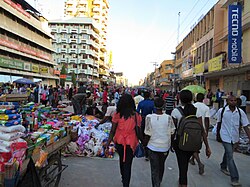
Tanzania is a unitary dominant-party presidential republic. Its administrative heart is located in the capital, Dodoma, while its economic engine and largest city is Dar es Salaam. The nation is a union of two previously separate entities: Tanganyika and Zanzibar.
Key Facts
- Official Languages: Swahili (National) and English.
- Population: Approximately 67.5 million (2024 estimate).
- Government: Unitary dominant-party presidential republic led by President Samia Suluhu Hassan.
- Currency: Tanzanian shilling (TZS).
- Geography: Total area of 947,303 km², including the semi-autonomous Zanzibar Archipelago.
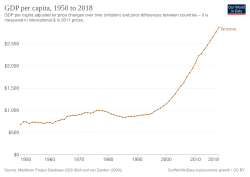
- Economy: GDP (PPP) estimated at $293.59 billion for 2025.
History and Evolution
Ancient and Medieval Eras
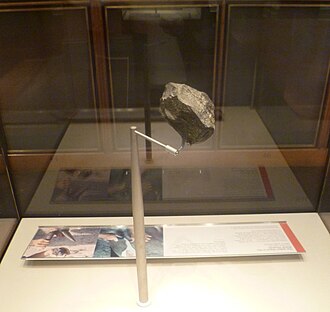
Tanzania's history stretches back millions of years, evidenced by early human activity. The Olduvai Gorge is one of the world's most important paleoanthropological sites, revealing the deep roots of human evolution.
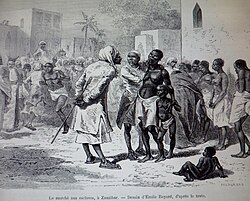
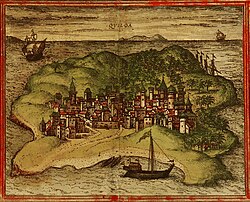
During the medieval period, the coast became a center for trade and Islamic culture. The city of Kilwa emerged as a powerful trading port, linking the African interior with the wider Indian Ocean world.
Colonialism and Independence
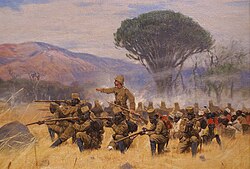
The region experienced periods of colonial rule, notably under German and later British administration. Resistance to colonial rule was marked by events such as the Maji Maji Rebellion in 1905.
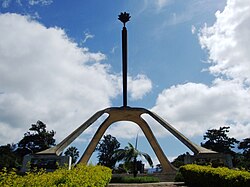
Independence was achieved in stages: Tanganyika gained independence from the United Kingdom on December 9, 1961, and Zanzibar followed on December 10, 1963. The two entities unified on April 26, 1964, to form the United Republic of Tanzania.
Geography, Climate, and Nature
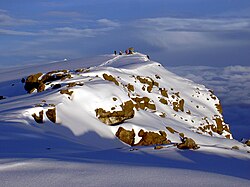
Tanzania's geography is incredibly varied, ranging from coastal plains to high mountains and vast plateaus. The country is home to Uhuru Peak, the highest point on the continent.
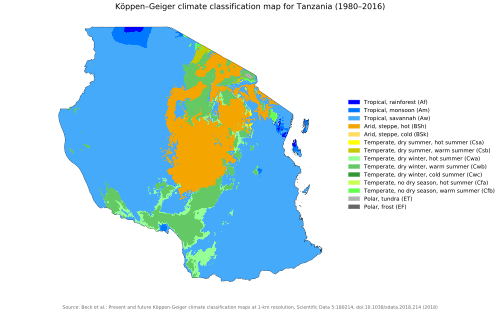
The climate varies across the territory, as categorized by the Köppen climate classification, influencing the types of vegetation and agriculture found in different regions.
Wildlife and Conservation
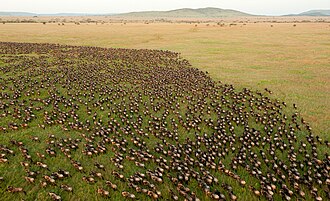
Tanzania is globally renowned for its biodiversity. The Serengeti is famous for the massive annual wildebeest migration, one of the most spectacular natural events on Earth.
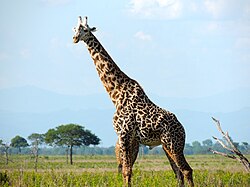
The nation also protects iconic species, such as the Masai giraffe, which serves as the national animal.
Government and Political Structure
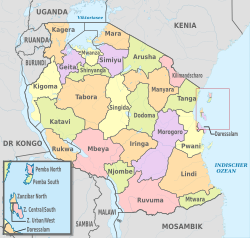
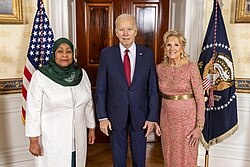
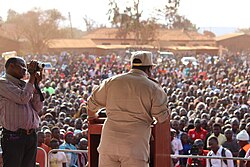
The government is structured as a presidential republic. The executive branch is led by the President, currently Samia Suluhu Hassan, supported by a Vice-President and a Prime Minister. The legislative power resides in the National Assembly.
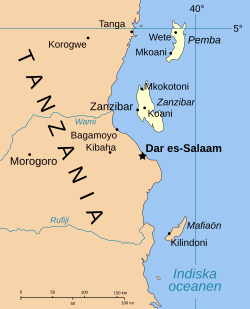
The Zanzibar Archipelago
Zanzibar maintains a semi-autonomous status within the union, possessing its own government and legislative framework to manage its unique local affairs.
International Relations
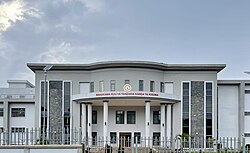
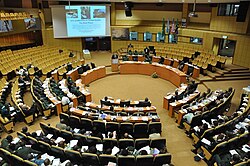
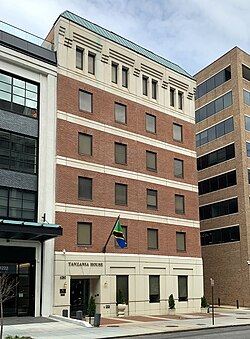
Tanzania maintains strong international partnerships and hosts significant regional institutions in Arusha, including the East African Legislative Assembly and the International Criminal Tribunal for Rwanda.
Economy and Development
Tanzania's economy has shown steady growth, with a 4.6 percent increase in 2022 and 5.2 percent in 2023. The economic landscape is a mix of agriculture, mining, and tourism.
Agriculture and Industry
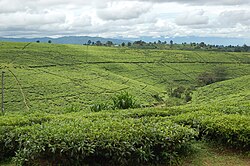
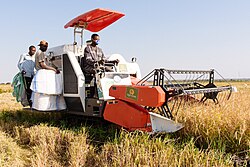
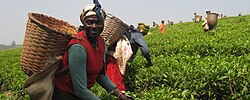
Agriculture remains a cornerstone of the economy, with tea fields in regions like Tukuyu and rice farming in districts such as Igunga providing essential exports and food security.
The industrial sector includes gold production and the exploration of natural gas, which the government aims to use to double power generation.
Infrastructure and Tourism
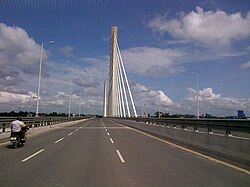
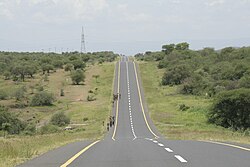
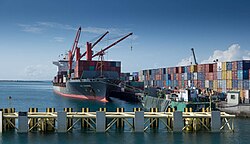
Modern infrastructure projects, such as the Nyerere Bridge in Dar es Salaam, are enhancing connectivity. Tourism continues to be a major revenue driver, attracting millions of visitors to its national parks and historic sites.
| Category | Detail |
|---|---|
| Capital City | Dodoma |
| Largest City | Dar es Salaam |
| Official Languages | Swahili, English |
| GDP (Nominal 2025 Est.) | $88.980 Billion |
| HDI (2023) | 0.555 (Medium) |
| Main Religions | Christianity (57%), Islam (37%) |
Society and Culture
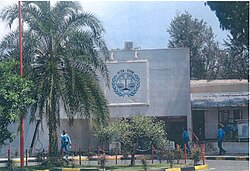
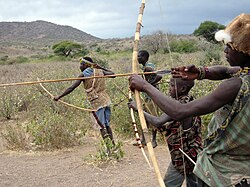
Tanzanian society is a mosaic of over 100 languages and diverse ethnic groups. While Swahili serves as the national language, groups such as the Sukuma, Nyamwezi, and Maasai maintain their distinct linguistic and cultural identities.
Arts and Traditions
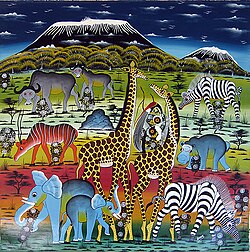
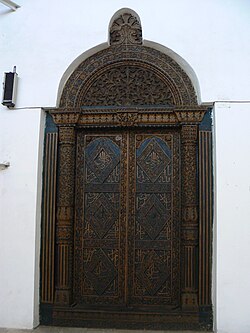
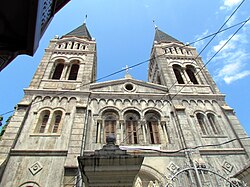
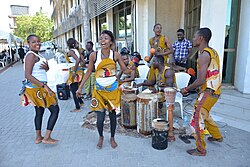
The culture is expressed through various art forms, including Tingatinga painting and traditional Ngoma music and dance. In Zanzibar, the influence of Arabic culture is evident in the intricate carved doors and architecture.
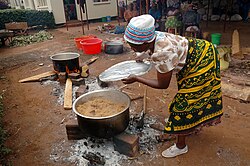
Traditional attire, such as the Kanga (a colorful wrap worn by women), remains a staple of daily life and cultural expression.
Frequently Asked Questions

What is the relationship between Tanganyika and Zanzibar?
Tanganyika and Zanzibar were separate entities that gained independence from the UK in 1961 and 1963, respectively. They unified on April 26, 1964, to form the United Republic of Tanzania, with Zanzibar retaining semi-autonomous status.
What are the official languages of Tanzania?
The official languages are Swahili and English, with Swahili serving as the national language that unites the country's diverse ethnic groups.
Which city is the capital of Tanzania?
The official capital is Dodoma, although Dar es Salaam remains the largest city and the primary commercial center.
What is the significance of the Serengeti?
The Serengeti is a world-famous ecosystem known for its immense biodiversity and the annual migration of millions of wildebeest, making it a cornerstone of Tanzania's tourism industry.
What is the current economic trend in Tanzania?
Tanzania has experienced positive economic growth, recording a 4.6% increase in 2022 and 5.2% in 2023, driven by sectors like agriculture, mining, and tourism.