Tangata Manu: The Ritual Birdman Competition of Rapa Nui
On the remote shores of Rapa Nui, also known as Easter Island, there once existed a daring and spiritual tradition known as the Tangata manu (literally "birdman"). This ritual competition was not merely a test of physical endurance, but a complex socio-religious event that determined leadership and resource rights for the island's clans.
The competition centered on a perilous journey to a nearby islet to retrieve the first egg of the season from the sooty tern (manu tara). The winner of this race brought prestige and power to their clan, blending athletic prowess with divine prophecy.
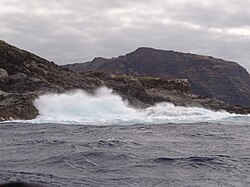
Key Facts
- The Goal: Retrieve the first sooty tern egg of the season from Motu Nui.
- The Location: The race spanned from the village of Orongo to the islet of Motu Nui.
- The Prize: The sponsor became the Tangata manu, gaining tributes and exclusive harvesting rights.
- The Deity: Makemake served as the chief god of the bird-man cult.
- The End: The tradition was ended by Christian missionaries in the 1860s.
The Mythology and Divine Influence
The bird-man cult was governed by a complex pantheon of deities. At the center was Makemake, the chief god. He was supported by three other primary deities: Hawa-tuu-take-take (the male "Chief of the eggs"), his wife Vie Hoa, and a female deity named Vie Kenatea. Each of these four gods had an associated servant god.
Before the hunt began, contestants participated in rituals where the names of all eight deities were chanted to invoke divine favor.
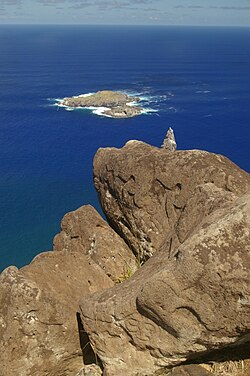
The Mechanics of the Competition
The process of selecting participants was spiritual. Priests known as ivi-attua, who could be men or women, revealed the identities of the contestants through prophecies. These contestants were typically men of high importance on the island.
The Role of the Hopu
While the high-status men sponsored the race, they did not swim it themselves. Instead, they appointed hopu—adult men of lower social status—to perform the physical task. The hopu would swim to Motu Nui carrying a pora, a bundle of reeds containing their provisions.
The journey was fraught with danger. Many hopu perished due to shark attacks, drowning, or falls from the steep cliffs of Rano Kau. Despite these risks, replacements were readily available to ensure the competition continued.
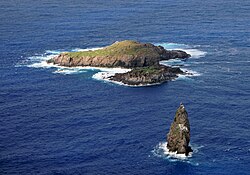
The Return and Victory
Once a hopu secured the first egg, he would climb to the highest point of Motu Nui and shout to the shore, announcing his benefactor's new name and the command: "Go shave your head, you have got the egg!" This message was relayed from the shoreline up the cliffs to the village of Orongo.
The successful hopu would then fast on the islet before swimming back to Rapa Nui with the egg secured in a reed basket tied to his forehead. After climbing the rocky cliffs, he presented the intact egg to his patron, who had already prepared by shaving his head and painting it red or white.
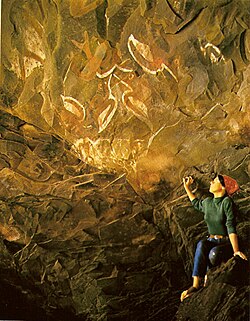
Rewards and Ritual Seclusion
The sponsor, not the swimmer, was declared the Tangata manu. He would lead a procession with the egg to either Anakena (for western clans) or Rano Raraku (for eastern clans). The victory granted the winner's clan the sole right to collect that season's wild bird eggs and fledglings from Motu Nui, along with various food tributes.
Following the victory, the Tangata manu entered a period of strict seclusion in a ceremonial house. For the first five months, he was considered tapu (sacred/forbidden), during which he grew his nails long, wore a headdress of human hair, and spent his time exclusively eating and sleeping.
Summary of the Birdman Ritual
| Role/Element | Description |
|---|---|
| Tangata manu | The sponsor/winner who gained political and spiritual power. |
| Hopu | The swimmer who physically retrieved the egg. |
| Motu Nui | The islet where the sooty terns nested. |
| Orongo | The clifftop village where sponsors awaited the results. |
| Pora | A reed bundle used to carry provisions during the swim. |
The Decline and Legacy
The bird-man cult came to an end in the 1860s due to the influence of Christian missionaries. Historians remain uncertain if the cult replaced the earlier Moai-based religion or existed alongside it. However, the tradition was documented by anthropologist Katherine Routledge, who recorded the names of 86 Tangata manu during the Mana Expedition between 1913 and 1915.
The legacy of the Tangata manu persists in popular culture, appearing in the 1994 film Rapa Nui and the song "Oh Bring Back the Egg Unbroken" by the band Rasputina.
Frequently Asked Questions
Who actually swam to the islet to get the egg?
The swimming was done by the hopu, who were adult men of lower social status appointed by the high-status contestants.
What happened to the winner after the race?
The sponsor (the Tangata manu) entered a year of seclusion, spending the first five months as tapu, where he wore a human-hair headdress and grew his nails long while avoiding all activity except eating and sleeping.
Which deity was the most important to the bird-man cult?
Makemake was the chief god of the cult, though he was accompanied by three other primary deities and their respective servant gods.
What were the practical benefits of winning the competition?
Beyond prestige, the winning clan gained the exclusive right to harvest wild bird eggs and fledglings from Motu Nui for that season, as well as gifts of food and other tributes.
How did the winners communicate from the islet to the main island?
The successful hopu would shout from the highest point of Motu Nui to the shoreline, and listeners on the beach would pass the message up the cliffs to the village of Orongo.