Totora: The Versatile Giant Bulrush Sedge of South America
The Totora (scientifically known as Schoenoplectus californicus subsp. tatora) is a remarkable subspecies of the giant bulrush sedge. Named from the Quechua language, this resilient plant has played a pivotal role in the survival and cultural identity of various indigenous peoples across South America and the Pacific.
Found primarily in the middle coast of Peru, Lake Titicaca, and on Easter Island, the Totora is a member of the Cyperaceae family. This plant is characterized by its impressive height, commonly reaching 4 meters (13 ft) and occasionally growing as tall as 6 meters (20 ft).
Key Facts
- Scientific Name: Schoenoplectus californicus subsp. tatora.
- Maximum Height: Up to 6 meters (20 ft).
- Primary Locations: Lake Titicaca, coastal Peru, and Easter Island.
- Cultural Uses: Construction of floating islands, fishing boats, and swimming aids.
- Longevity: Evidence suggests it has grown on Easter Island for at least 30,000 years.
Cultural Significance and Traditional Uses
The Uru People and Lake Titicaca
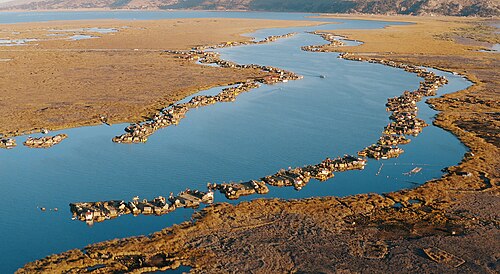
In Lake Titicaca, the Totora plant typically grows at water depths between 2.5 and 3 meters (8.2–9.8 ft), though it can occasionally be found at depths of up to 5.5 meters (18 ft). The Uru people, an indigenous group that predates the Inca civilization, have utilized the plant to create unique floating islands that serve as traditional settlements.
Beyond their homes, the Uru people bundle dried reeds to construct balsas, which are traditional boats used for transport and fishing.
The Coastal Traditions of Peru
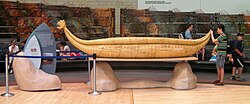
Along the middle coast of Peru, the Totora has been central to maritime life for millennia. For at least 3,000 years, local populations have used the reeds to build caballitos de totora. These are small, straddled fishing vessels that are rowed through the surf, representing one of the oldest continuous fishing traditions in the region.
The Rapa Nui of Easter Island
On Easter Island, the plant is known locally as nga'atu. The Rapa Nui people utilized these reeds for thatching roofs and creating pora, which are swimming aids. These aids were used for recreation and were historically essential for hopu (clan champions) during the tangata manu (bird-man) competition to reach the offshore Motu Nui.
Botanical Distribution and Origins
The presence of Totora on Easter Island has been a subject of scientific debate. While Thor Heyerdahl suggested the plant was introduced by prehistoric Peruvians, other theories suggest it may have been transported by birds. Recent research indicates that the plant has existed on the island for at least 30,000 years, predating human arrival.
| Region | Local Name/Term | Primary Use | Key Feature |
|---|---|---|---|
| Lake Titicaca | Totora | Floating islands & balsas | Grows up to 5.5m deep |
| Coastal Peru | Caballitos de totora | Fishing vessels | 3,000-year tradition |
| Easter Island | Nga'atu | Thatching & pora (swimming aids) | Present for 30,000+ years |
Frequently Asked Questions
What is the scientific classification of Totora?
Totora is classified as Schoenoplectus californicus subsp. tatora, belonging to the family Cyperaceae and the order Poales.
How tall can the Totora plant grow?
The plant commonly reaches a height of 4 meters (13 ft), but it can grow as tall as 6 meters (20 ft).
Who are the Uru people and how do they use Totora?
The Uru are an indigenous people of Lake Titicaca who predated the Inca. They use Totora reeds to build floating islands for their settlements and bundled reed boats called balsas.
What are caballitos de totora?
They are small, straddled fishing vessels made from Totora reeds, used by the people of Peru's mid-coast region for at least 3,000 years.
How did Totora arrive on Easter Island?
While some theories suggest prehistoric Peruvians brought it, and others suggest birds, recent evidence shows the plant has been on the island for at least 30,000 years, meaning it arrived before humans.