Tanagers and the Thraupidae Family
The Thraupidae family, established by Cabanis in 1847, represents one of the most diverse groups of passerine birds. Commonly known as tanagers, these birds are renowned for their vibrant plumage and wide variety of beak shapes, which reflect their adaptation to diverse ecological niches across the Americas.
From the high-altitude mountain forests to the arid islands of the Galápagos, the Thraupidae family encompasses a vast array of genera and species, including not only the traditional tanagers but also seedeaters, grass finches, and the famous Darwin's finches.
Key Facts
- Family Name: Thraupidae (Cabanis, 1847).
- Diversity: Includes a wide range of specialized birds such as seedeaters, flowerpiercers, and warbler-finches.
- Notable Groups: Includes the Tangara genus (28 species) and the Sporophila seedeaters (41 species).
- Geographic Range: Predominantly Neotropical, with significant radiation in the Galápagos Islands.
- Specializations: Beak morphology varies significantly to accommodate diets ranging from seeds and insects to nectar and fruit.
Taxonomic Diversity and Genera
The Thraupidae family is organized into numerous genera, each containing species with distinct physical and behavioral traits. The diversity is particularly evident in the way these birds have evolved to fill specific roles in their environments.
The Darwin's Finches Group
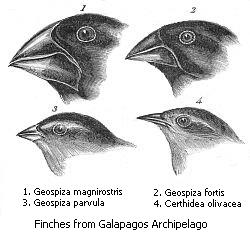
One of the most scientifically significant groups within this family is the radiation of finches in the Galápagos Islands. These birds demonstrate rapid evolution through adaptation to food sources.
- Certhidea: Includes the Green and Grey warbler-finches.
- Camarhynchus: Includes the Woodpecker, Mangrove, and various tree finches.
- Geospiza: The ground finches, including the Large, Medium, and Small ground finches, as well as the Vampire ground finch and various cactus finches.
- Platyspiza: The Vegetarian finch.
Seedeaters and Grass Finches
The genus Sporophila is particularly expansive, containing 41 species of seedeaters and seed finches. This group includes the Cinnamon-rumped seedeater, the Variable seedeater, and the Black-bellied seedeater. Other seed-specialized genera include Embernagra (Serra and Pampa finches) and Emberizoides (Wedge-tailed, Duida, and Lesser grass finches).
The Vibrant Tanagers
The genus Tangara is a hallmark of the family, featuring 28 species known for their brilliant colors, such as the Seven-coloured tanager, the Paradise tanager, and the Emerald tanager. Other colorful groups include the Ramphocelus (Crimson-collared and Brazilian tanagers) and Thraupis (Blue-grey and Sayaca tanagers).
Specialized Ecological Roles
Beyond seed-eating and fruit-eating, some members of Thraupidae have evolved highly specialized feeding mechanisms.
Flowerpiercers and Mountain Tanagers
The genus Diglossa consists of flowerpiercers (18 species), such as the Black flowerpiercer, which possess uniquely shaped bills to access nectar. In higher elevations, the mountain tanagers—including genera like Anisognathus and Dubusia—dominate the cloud forests.
Shrike-Tanagers and Others
The Lanio genus contains shrike-tanagers, such as the White-winged and Black-throated shrike-tanager, which exhibit behaviors and morphologies more similar to shrikes than typical tanagers.
Summary of Major Thraupidae Groups
| Genus | Common Group/Type | Notable Species |
|---|---|---|
| Tangara | True Tanagers | Seven-coloured tanager, Paradise tanager |
| Sporophila | Seedeaters | Variable seedeater, Cinnamon-rumped seedeater |
| Geospiza | Ground Finches | Medium ground finch, Vampire ground finch |
| Diglossa | Flowerpiercers | Black flowerpiercer, Grey-bellied flowerpiercer |
| Ramphocelus | Crimson Tanagers | Brazilian tanager, Crimson-collared tanager |
Frequently Asked Questions
What is the Thraupidae family?
Thraupidae is a large family of birds in the order Passeriformes, primarily comprising tanagers, seedeaters, and various finches found mostly in the Americas.
Are Darwin's finches part of the tanager family?
Yes, the finches of the Galápagos Islands, including the genera Geospiza and Camarhynchus, are taxonomically classified within the Thraupidae family.
How many species are in the Tangara genus?
The Tangara genus contains 28 species, many of which are recognized for their exceptionally bright and multicolored plumage.
What makes flowerpiercers unique?
Flowerpiercers, belonging to the genus Diglossa, have specialized bills that allow them to pierce the base of flowers to reach nectar, a distinct ecological niche within the family.
Which genus contains the most seedeater species?
The genus Sporophila is the most prominent, containing 41 species of seedeaters and seed finches.