T-ara: The Evolution and Legacy of K-pop's Versatile Girl Group
Since their emergence in the late 2000s, T-ara has remained one of the most recognizable names in the K-pop industry. Known for their diverse musicality—spanning genres from dance-pop and electropop to nu-disco and synth-pop—the group has navigated a complex journey of massive commercial success, international expansion, and significant industry challenges.
From their debut in 2009 to their recent reunions, T-ara has demonstrated a unique ability to adapt to changing musical landscapes while maintaining a distinct identity. This article explores the history, members, and lasting impact of this influential South Korean group.

Key Facts
- Origin: Seoul, South Korea
- Active Years: 2009–2017; 2020–present
- Core Genres: K-pop, dance-pop, nu-disco, electropop, and synth-pop
- Current Members: Qri, Eunjung, Hyomin, and Jiyeon
- Notable Hits: "Roly-Poly," "Bo Peep Bo Peep," and "Sexy Love"
A Journey Through the Eras
2009–2010: Formation and Breakthrough
T-ara officially entered the music scene in 2009. Their early years were marked by rapid growth and chart success. Following their debut, the group quickly established themselves as a powerhouse in the K-pop scene, securing high rankings on music programs and digital charts.

During this period, the group's presence was felt through various performances, including the Xbox 360 Invitational in 2009, which helped solidify their early fanbase.

2011–2012: International Expansion and Controversy
The years 2011 and 2012 were a period of intense activity and significant turbulence. Musically, the group reached new heights with hits like "Roly-Poly," a track that showcased their ability to blend retro influences with modern pop.

While their popularity surged internationally—particularly in Japan and China—the group also faced a high-profile bullying controversy involving member Hwayoung. This period saw changes in the group's lineup as members departed following the scandal.

2013–2016: Subunits, Tours, and Resilience
Despite the challenges of the previous years, T-ara continued to innovate. They explored subunits, such as T-ara N4 and QBS, to showcase different facets of their artistry. Their discography expanded with albums like Treasure Box and Gossip Girls, and they embarked on successful tours across China and other parts of Asia.

Their influence extended beyond music into endorsements and philanthropy. The group served as ambassadors for various causes and engaged in charitable activities, including donations to relief organizations and Haiti.
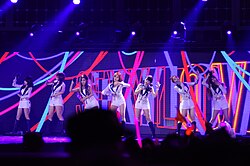
2017–Present: Hiatus and the Re:T-ara Era
After a period of relative hiatus following the release of What's My Name? in 2017, T-ara has seen a resurgence. In 2020, the group began a new chapter, marked by a reunion and the comeback project Re:T-ara. This era has focused on bringing the core members back together to reconnect with their global audience.




Group Composition and Artistry
Members
The group's lineup has evolved over the years. The current active members include:
- Qri
- Eunjung
- Hyomin
- Jiyeon
Past members who contributed to the group's history include Jiae, Jiwon, Hwayoung, Areum, Boram, and Soyeon.
Musical Style and Themes
T-ara is celebrated for their musicality, often blending catchy hooks with sophisticated production. Their style frequently incorporates retro elements, such as disco and synth-pop, making their music both nostalgic and contemporary. Their stage performances are known for being high-energy and visually engaging.
Discography Summary
| Album Title | Release Year |
|---|---|
| Absolute First Album | 2009 |
| Jewelry Box | 2012 |
| Treasure Box | 2013 |
| Gossip Girls | 2014 |
Frequently Asked Questions
What are the musical genres of T-ara?
T-ara primarily performs K-pop, dance-pop, nu-disco, electropop, and synth-pop.
Who are the current members of T-ara?
As of their recent activities, the members include Qri, Eunjung, Hyomin, and Jiyeon.
Did T-ara have any subunits?
Yes, the group formed subunits such as T-ara N4 and QBS.
When did T-ara first debut?
T-ara debuted in 2009.
What was the significance of "Roly-Poly"?
"Roly-Poly" was a major hit for the group that showcased their ability to successfully incorporate retro disco elements into K-pop.