The Legacy of Girls' Generation: A Journey Through K-Pop History
In the landscape of global music, few names carry as much weight in the K-pop industry as Girls' Generation. Known in South Korea as Sonyeo Sidae, this powerhouse group has defined eras of pop music, transitioning from bubblegum pop sensations to sophisticated electropop icons. From their formation in Seoul to their massive international influence, their journey is a testament to musical evolution and enduring stardom.

Key Facts
- Origin: Seoul, South Korea
- Active Years: 2007–2017; 2022–present
- Primary Genres: K-pop, bubblegum pop, electropop, and J-pop
- Core Members: Taeyeon, Sunny, Tiffany, Hyoyeon, Yuri, Sooyoung, Yoona, and Seohyun
- Major Labels: SM Entertainment, EMI Japan, and Interscope
The Evolution of a Global Icon
Formation and Early Breakthrough (2000–2010)
The story of Girls' Generation began with their formation and debut in the late 2000s. After establishing themselves in the South Korean market, the group experienced a massive breakthrough between 2009 and 2010. This period was marked by significant domestic success and their highly anticipated debut in Japan, where they quickly climbed the charts.

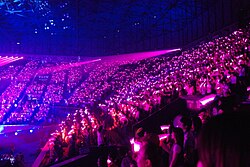
Their ability to capture the public's attention was evident as they secured top positions on various music charts, including the Gaon Digital and Album charts. Their popularity was not limited to Korea; they quickly expanded their reach through Asian tours, selling out venues in record time.
International Expansion and "The Boys" (2011–2014)
As the group entered the early 2010s, they shifted toward a more international presence. The release of "The Boys" served as a pivotal moment, showcasing a more mature sound and helping them expand their global footprint. This era saw them navigating the Japanese market with immense success, frequently topping the Oricon charts.

The year 2013 brought further recognition with the release of "I Got a Boy," a track that garnered worldwide attention and helped the group achieve significant milestones on international platforms like YouTube. However, this period of rapid growth also faced challenges, most notably the departure of member Jessica in late 2014, which marked a significant transition for the group's lineup.

Hiatus and the 15th Anniversary Reunion (2015–Present)
Following the release of hits like "Lion Heart" and "Holiday Night," the group entered a period of relative hiatus. During this time, members pursued various solo endeavors and subgroup activities, such as Girls' Generation-TTS.

In 2022, the group made a triumphant return to celebrate their 15th anniversary. With the release of "Forever 1," the reunited members proved that their impact on the music industry remains as strong as ever, marking a new chapter in their storied career.
Artistry and Influence
Musical Style and Themes
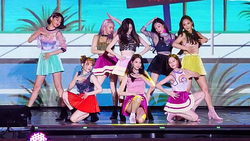
The musical identity of Girls' Generation is characterized by its versatility. While they rose to fame with bubblegum pop—a genre defined by bright, upbeat, and catchy melodies—they successfully transitioned into electropop, incorporating more complex electronic production. Their discography reflects a wide range of themes, often centered around optimism and hope.

Endorsements and Cultural Impact
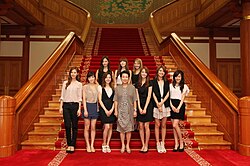
Beyond music, the group became household names through extensive commercial endorsements. Their influence extended to fashion and consumer electronics, making them one of the most recognizable faces in Asia. Their prestige was even recognized at the highest levels of society, including appearances at the Blue House.

Summary of Group Profile
| Category | Details |
|---|---|
| Korean Name | 소녀시대 (Sonyeo Sidae) |
| Japanese Name | 少女時代 (Shōjo Jidai) |
| Subgroups | Girls' Generation-TTS, Girls' Generation-Oh!GG |
| Key Eras | Debut (2007), Japanese Debut (2010), International Expansion (2012), Reunion (2022) |
Frequently Asked Questions
What are the different names for Girls' Generation?
In South Korea, they are known as Sonyeo Sidae (소녀시대). In Japan, they are referred to as Shōjo Jidai (少女時代).
Who are the current members of the group?
The current members include Taeyeon, Sunny, Tiffany, Hyoyeon, Yuri, Sooyoung, Yoona, and Seohyun. Jessica is a former member.
What musical genres does the group perform?
Girls' Generation is known for a variety of styles, primarily K-pop, bubblegum pop, electropop, and J-pop.
Did Girls' Generation have any subgroups?
Yes, the group has featured spinoffs such as Girls' Generation-TTS and Girls' Generation-Oh!GG.
When did the group reunite?
The group reunited in 2022 to celebrate their 15th anniversary, releasing the album Forever 1.