Syrian Beer: From Ancient Ebla to Modern Breweries
The history of brewing in Syria is as deep as the region's civilization itself. From the earliest recorded tablets of the Bronze Age to the state-run industries of the 20th century and the emergence of new private investments, beer has played a persistent role in the Syrian landscape.
Ancient Origins: The Ebla Tablets
The earliest evidence of beer production in Syria dates back to approximately 2500 BC. This discovery was made in 1974 through the Ebla tablets, ancient clay records found in the city of Ebla. These texts reveal that the city produced a variety of beers, including a specific brew that appears to have been named after the city itself.
The Era of State-Controlled Production
In modern times, the Syrian government maintained strict control over the production and distribution of beer. Most of these products were sold to tourists via mini-markets in city centers or through the Military Social Establishment, a supermarket chain operated by the army.
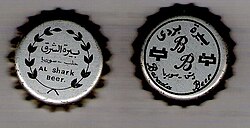
Al-Shark Beer
Founded in 1954 in Aleppo, the state-owned Al-Shark Company for Food Stuff Products produced Al-Shark (also known as al-Chark). This pale lager—a light-colored beer brewed with pale malts—was characterized by a medium malt body and an alcohol content of 3.7%. It was generally more highly rated than its Damascus counterpart.
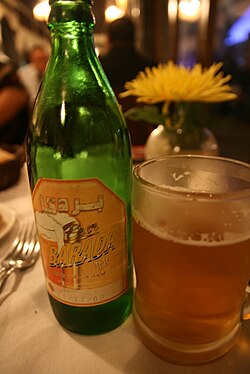
Barada Beer
The Barada Beer Company, established in 1977 in Damascus, produced Barada. Also a pale lager, it had a lower alcohol content of 3.4% and a light body with a yellowish, hazy appearance. However, the brand was often criticized for its stale taste and inconsistent bottling quality.
Modern Developments and the Arados Brewery
The outbreak of the Syrian civil war in 2011 led to the cessation of production for both Al-Shark and Barada. While a brewery called Afamia opened in 2010 in Adra near Damascus, the industry saw a significant shift in 2017 with the opening of the Arados brewery.
Located in the town of Safita within the Tartus Governorate, Arados was launched with a US$16 million investment and technical assistance from experts from the Czech Republic. With a planned annual capacity of 15 million liters, Arados represents the first mass-produced domestic beer in Syria since the halt of the state-owned brands.
Imported Alternatives
While domestic production has fluctuated, imported beers from Lebanon are available, though not common. Popular brands found in the region include Almaza, Tuborg, Beirut, and Efes.
Key Facts
- Ancient Roots: Beer production in Syria is documented as far back as 2500 BC via the Ebla tablets.
- State Control: For decades, the government owned the primary breweries, Al-Shark and Barada.
- Al-Shark: An Aleppo-based pale lager with 3.7% alcohol.
- Barada: A Damascus-based pale lager with 3.4% alcohol.
- Arados: The first major post-war domestic brewery, established in 2017 in Safita with a $16 million investment.
| Brand | Origin | Type | Alcohol % | Key Characteristic |
|---|---|---|---|---|
| Al-Shark | Aleppo | Pale Lager | 3.7% | Medium malt body |
| Barada | Damascus | Pale Lager | 3.4% | Light body, hazy color |
| Arados | Safita | Domestic Mass-Produced | Not Specified | Czech-assisted production |
Frequently Asked Questions
What is the oldest evidence of beer in Syria?
The oldest evidence comes from the Ebla tablets discovered in 1974, which date back to 2500 BC and mention various beers, including one named after the city of Ebla.
What happened to Al-Shark and Barada beers?
Production of these state-owned brands was halted in 2011 due to the outbreak of the Syrian civil war.
What is the Arados brewery?
Arados is a brewery opened in 2017 in Safita, Tartus Governorate. It was established with a US$16 million investment and help from Czech experts to resume mass domestic beer production.
Which imported beers are popular in Syria?
Popular imported brands, primarily from Lebanon, include Almaza, Tuborg, Beirut, and Efes.
How was beer distributed under the Syrian government?
Distribution was government-controlled, with beer primarily sold to tourists through mini-markets in city centers and the army's Military Social Establishment supermarket chain.