Synth-pop: The Evolution of Electronic Pop Music
Synth-pop, short for synthesizer pop and occasionally referred to as techno-pop, is a music genre that redefined the sonic landscape of the late 20th century. Characterized by the synthesizer as the dominant musical instrument, the genre shifted popular music away from guitar-driven rock toward a more electronic, polished sound. Emerging as a distinct movement in the late 1970s across Germany, Japan, and the United Kingdom, synth-pop blended avant-garde experimentation with accessible pop melodies.
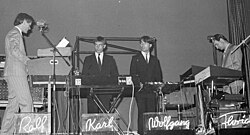
The genre did not appear in a vacuum; it was prefigured in the 1960s and early 1970s by the integration of electronic instruments into progressive rock, art rock, disco, and specifically the Krautrock (an experimental German rock style) pioneered by bands like Kraftwerk.
Key Facts
- Core Instrument: The synthesizer is the primary melodic and harmonic tool.
- Origins: Developed between 1977 and 1980 in the UK, Japan, and Germany.
- Technological Drivers: The rise of polyphonic synthesizers (capable of playing multiple notes at once), the TR-808 rhythm machine, and the standardization of MIDI.
- Cultural Impact: Heavily linked to the New Romantic movement and the rise of MTV.
- Derivative Genres: Influenced the creation of electropop, house, techno, and chillwave.
The Technological Foundation
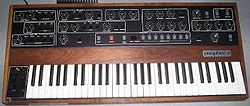
The transition to synth-pop was made possible by the availability of practical electronic synthesizers in recording studios starting in the mid-1960s. By the mid-1970s, electronic art musicians began pushing the boundaries of these tools. The subsequent development of inexpensive polyphonic synthesizers and the definition of MIDI (Musical Instrument Digital Interface, a technical standard that allows electronic instruments to communicate) made the sound more commercial and accessible.
Origins: New Wave and Post-Punk (1977–1980)
Synth-pop emerged during the post-punk era as a vital part of the new wave movement. In the UK, early experimentation was evident in releases like Be-Bop Deluxe's 1978 album Drastic Plastic, which featured guitar synthesizers. However, a major catalyst for the genre's global spread came from Japan. The band Yellow Magic Orchestra (YMO) introduced a melody-driven, "breezy" sound and brought the TR-808 rhythm machine into popular music, profoundly influencing early British acts.

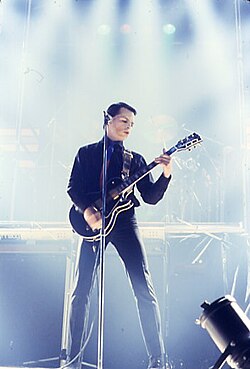
The commercial breakthrough in the UK occurred in 1979 with Gary Numan, whose success in the singles charts paved the way for a wave of synthesizer-based artists in the early 1980s.
The Golden Era of Commercial Success (1981–1985)
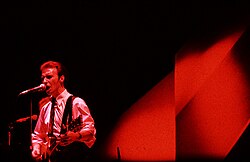
Synth-pop reached its commercial zenith in the UK during the winter of 1981–1982. During this period, artists such as OMD, Japan, Ultravox, Soft Cell, Depeche Mode, and Yazoo dominated the top ten charts. The Human League and Soft Cell achieved massive success with number-one singles "Don't You Want Me" and "Tainted Love," respectively.
The dominance of the synthesizer was so absolute by early 1982 that the Musicians' Union attempted to limit its use. The genre continued to evolve as artists like ABC and Heaven 17 blended electronic sounds with funk and soul, while others like Tears for Fears and Thomas Dolby expanded the sonic palette. This era coincided with the Second British Invasion, where style-conscious New Romantic acts found immense success in the US, aided by the visual medium of MTV.
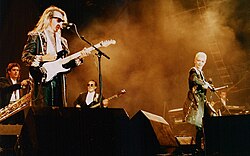
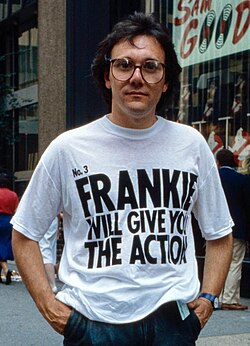
Trevor Horn, through his work with the Buggles and as a producer for Frankie Goes to Hollywood, played a pivotal role in shaping the high-production value of the era's sound.
Evolution, Decline, and Modern Revival
By the mid-to-late 1980s, the genre branched into different directions. Duos like Erasure and the Pet Shop Boys found significant success on US dance charts. However, by the end of the decade, the traditional synth-pop sound of bands like A-ha and Alphaville began to be superseded by the emergence of house music and techno.
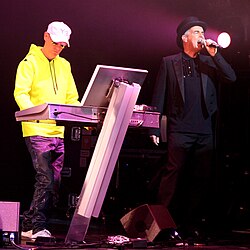
The genre's influence persisted, and interest revived in the late 1990s through the indietronica and electroclash movements. In the 2000s, synth-pop experienced a widespread commercial resurgence, influencing modern pop stars and leading to the rise of subgenres like chillwave and synthwave.
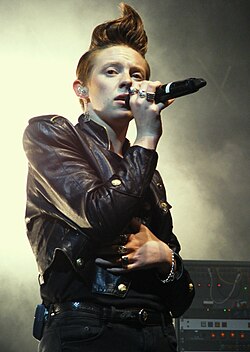
The visual identity of the genre was often as provocative as the music. Artists like Martin Gore of Depeche Mode were noted for fashions that challenged traditional gender norms, contributing to the genre's reputation for avant-garde expression.

Genre Summary
| Category | Details |
|---|---|
| Primary Instruments | Synthesizers, Drum Machines (e.g., TR-808) |
| Key Regions | United Kingdom, Japan, Germany |
| Peak Era | 1981–1985 |
| Key Influences | Krautrock, Disco, New Wave, Progressive Rock |
| Modern Descendants | Electropop, House, Techno, Synthwave, Chillwave |
Frequently Asked Questions
What is the difference between synth-pop and electropop?
While often used interchangeably, electropop is sometimes considered a variant of synth-pop that emphasizes a harder, more explicitly electronic sound.
Which band is credited with introducing the TR-808 to popular music?
The Japanese band Yellow Magic Orchestra (YMO) is credited with introducing the TR-808 rhythm machine to popular music, which subsequently influenced many British synth-pop acts.
How did MIDI affect the synth-pop genre?
The definition of MIDI allowed different electronic instruments to communicate and synchronize, leading to a more commercial, polished, and accessible sound for producers.
What was the "Second British Invasion" in the context of synth-pop?
It refers to the period when British synth-pop and New Romantic acts achieved massive commercial success in the United States, heavily supported by the rise of MTV.
Did synth-pop face any opposition during its peak?
Yes, in early 1982, the Musicians' Union attempted to limit the use of synthesizers because they had become so dominant in the music industry.