The Legacy of Super Junior: A Journey Through K-pop History
Since their debut in the early 2000s, Super Junior has stood as a pillar of the K-pop industry. Emerging from Seoul, South Korea, this versatile group has navigated decades of musical evolution, transitioning from a burgeoning idol group to a global phenomenon. Known for their diverse musical styles—ranging from dance-pop and electropop to R&B and hip hop—they have redefined what it means to be a long-running musical act.
Throughout their career, Super Junior has not only released hit albums but has also expanded their reach through various subgroups, international tours, and diverse media appearances. Their ability to adapt to changing trends while maintaining a dedicated global fanbase has secured their place in music history.
Key Facts
- Origin: Seoul, South Korea
- Years Active: 2005–present
- Primary Genres: K-pop, dance-pop, electropop, R&B, and hip hop
- Major Labels: SM, Label SJ, Avex Trax, Media Asia, UMG, and ICM
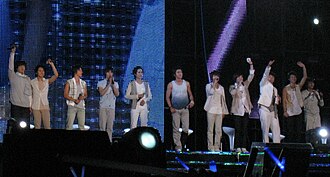
- Signature Tours: The "Super Show" concert series
The Evolution of a Global Icon
Formation and Early Success (2000–2007)
The group's journey began with their formation and debut in the mid-2000s. Originally known as Super Junior 05 between 2005 and 2006, the group quickly gained momentum. Early releases like U and Don't Don helped establish their presence in the competitive K-pop market, leading to significant commercial success and early recognition in the industry.
The "Sorry, Sorry" Breakthrough (2008–2012)
The year 2008 marked a massive turning point for the group with the release of "Sorry, Sorry." This track served as a career breakthrough, propelling them to international stardom. This era was characterized by rapid growth, including the launch of their first major concert tours and the release of hits like Bonamana and Mr. Simple. During this period, the group also began expanding their influence into international markets, including Japan and China.

Expansion and Maturity (2013–Present)
As the group matured, they continued to experiment with their sound and brand. From the release of Mamacita and Devil to their 15th anniversary and the Star album, Super Junior has demonstrated remarkable longevity. They have successfully navigated lineup changes and military enlistments, continuing to release new music and embark on massive world tours like Super Show 9.
Group Structure and Subgroups
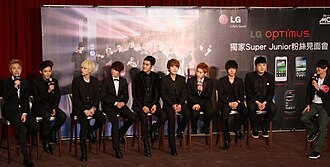
One of the unique aspects of Super Junior is their use of subgroups—smaller units consisting of specific members that focus on different musical styles or target specific markets. This strategy has allowed members to showcase individual talents while maintaining the group's overall brand.
Notable Subgroups
- Super Junior-K.R.Y.: A vocal-focused unit featuring Kyuhyun, Ryeowook, and Yesung.
- Super Junior-T: A trot-style unit including Leeteuk, Heechul, Shindong, Sungmin, and Eunhyuk.
- Super Junior-M: A unit designed for Chinese markets, featuring members like Donghae, Ryeowook, and Kyuhyun.
- Super Junior-D&E: A duo consisting of Donghae and Eunhyuk.
- Super Junior-L.S.S.: A unit featuring Leeteuk, Shindong, and Siwon.
- Super Junior-83z: A duo featuring Leeteuk and Heechul.
Member Overview
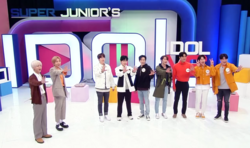
The group has seen various members join and depart over the years. While the lineup has evolved, the core identity of the group remains strong through its current members.
| Status | Members |
|---|---|
| Current Members | Leeteuk (Leader), Heechul, Yesung, Shindong, Eunhyuk, Donghae, Siwon, Ryeowook, Kyuhyun |
| Inactive | Sungmin (inactive since 2015) |
| Former Members | Hangeng, Kibum, Kangin |
Frequently Asked Questions
What are the main musical genres of Super Junior?
Super Junior performs a wide variety of music, primarily focusing on K-pop, dance-pop, electropop, R&B, and hip hop.
What is the "Super Show" series?
The Super Show is the group's signature series of main concert tours that has run from 2008 through to the planned 2025–2026 iterations.
How many subgroups does Super Junior have?
The group has formed several specialized units, including Super Junior-K.R.Y., Super Junior-T, Super Junior-M, Super Junior-H, Super Junior-D&E, Super Junior-L.S.S., and Super Junior-83z.
Who is the leader of Super Junior?
The leader of the group is Leeteuk.
When did Super Junior debut?
Super Junior began their active career in 2005, originally performing under the name Super Junior 05 during their first year.