Sunshowers: The Science and Folklore Behind Rain Falling in Sunshine
Have you ever stepped outside to find the sun shining brightly, only to be caught in a sudden downpour? This curious meteorological phenomenon is known as a sunshower. While it may seem like a contradiction of nature, there are clear scientific reasons why rain and sunlight can occupy the same moment in time.
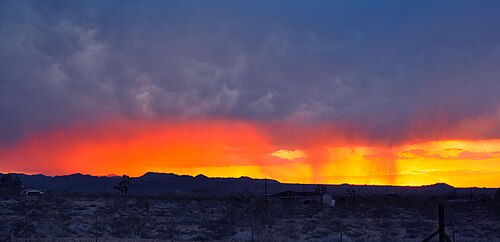
A sunshower occurs when raindrops fall while the sun is visible. This typically happens in one of two ways. First, winds associated with a distant rainstorm can blow airborne droplets into an area where there are no clouds. Second, a single rain cloud may pass directly overhead, but the sun's angle remains low enough that its light is not obstructed by the cloud cover.
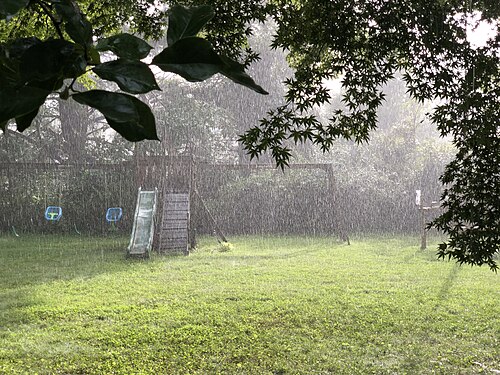
When these specific conditions are met, sunshowers often create beautiful visual effects, most notably the appearance of a rainbow, provided the sun is at a sufficiently low angle in the sky.
Key Facts
- Definition: A meteorological event where rain falls while the sun is shining.
- Causes: Wind-blown rain from distant storms or sunlight passing around a single overhead cloud.
- Visual Effects: Frequently results in the formation of rainbows.
- Global Folklore: Cultures worldwide associate sunshowers with weddings of animals, tricksters, or supernatural beings.
Global Cultural Interpretations
Although the term "sunshower" is common in the United States, Canada, Australia, New Zealand, Ireland, and the UK, it is rarely found in formal dictionaries. Instead, the phenomenon is often described through rich, colorful folklore. A recurring theme across many cultures involves clever animals or tricksters, such as the devil or witches, getting married.
The Americas
In the Americas, descriptions of sunshowers vary significantly by region:
- Mexico: In the north, it is said that "a doe is giving birth" (está pariendo una venada), while in the south, people say "two elders are getting married" (se están casando los viejitos).
- Argentina: Common phrases include "The Monkey at the Wedding of Mirtha Legrand" or "A hag is getting married."
- United States: In the Southern U.S., it is often said that "the devil is beating his wife," with a Tennessee variation stating "the devil is kissing his wife." In Ketchikan, Alaska, the phenomenon is colloquially referred to as "Liquid Sunshine."
- Brazil: It is known as "widow's marriage" (casamento de viúva).
Asia and the Pacific
In many Asian cultures, the sunshower is inextricably linked to the weddings of foxes or jackals:
- Japan: Known as "kitsune no yomeiri" (the fox's wedding) across various regions including Kantō and Kansai.
- Korea: Referred to as "the day of the fox's marriage" or "the day of the tiger's marriage."
- India: In Bihar, it is "siyaar ke biyaah" (jackals' wedding); in Maharashtra, it is "Kolhyache Lagna" (marriage of a fox); and in Malayalam and Odia, it is called "the fox's wedding."
- Philippines: Folklore suggests the tikbalang (a mythical creature) is marrying.
- Sri Lanka: Called "nariyangē magul gedara," meaning the foxes' or jackals' wedding house.
Europe and Africa
European traditions often lean toward more mischievous or supernatural explanations:
- Germany: A vast array of idioms exists, ranging from "the devil is making pancakes" to "the devil is dancing with his grandmother." Some regions even refer to it as "the devil is bleaching his grandmother," a nod to the process of dampening cloth in the sun.
- France: Phrases often involve the devil beating his wife, sometimes inspired by classical literary themes.
- Russia: It is called "mushroom rain" (gribnoy dozhd'), as the weather is believed to be ideal for growing mushrooms, or "blind rain" (slepoy dozhd').
- South Africa: Often referred to as a "monkey's wedding." In Afrikaans, the idiom "Jakkals trou met Wolf se vrou" (Jackal marries Wolf's wife) is used.
- Nigeria: A common belief is that an elephant or lion is giving birth.
| Region | Common Name/Theme | Primary Association |
|---|---|---|
| Southern USA | The devil is beating his wife | Supernatural struggle |
| Japan/Korea | Fox's wedding | Animal marriage |
| Russia | Mushroom rain | Favorable growing conditions |
| Mexico | Doe giving birth / Elders marrying | Animal birth or human marriage |
| South Africa | Monkey's wedding | Animal marriage |
Frequently Asked Questions
How is a sunshower scientifically formed?
It is caused by either wind blowing rain from a distant storm into a sunny area or by the sun's light passing around the edges of a single overhead rain cloud.
Do sunshowers always produce rainbows?
Not always, but they often do if the sun is at a sufficiently low angle in the sky to refract the light through the falling raindrops.
Why do so many cultures mention foxes or jackals?
Many cultures use the "fox's wedding" metaphor to explain the strange, unpredictable nature of seeing rain and sun simultaneously, often attributing it to the clever or trickster nature of these animals.
What is "Liquid Sunshine"?
"Liquid Sunshine" is a colloquialism used in the Alaskan Panhandle, specifically in Ketchikan, to describe the frequent rain in the region.
Is a sunshower the same as an April shower?
No. While an April shower refers to rain occurring in the month of April, a sunshower specifically refers to the simultaneous occurrence of rain and sunshine.