Subtropical Zones: Geography, Climate Classifications, and Global Patterns
The subtropical zones, or subtropics, are the geographical and climate regions located immediately north and south of the tropics. While they are geographically considered part of the temperate zones in both hemispheres, they serve as a critical transition between the equatorial tropics and the mid-latitude temperate regions. These zones typically span the latitudes from 23°26′09.0″ (approximately 23.4°) to between 35° and 40° north and south.
Characterized generally by hot summers and mild winters with infrequent frost, the subtropics encompass a diverse array of environments, from lush wetlands to arid deserts. This diversity is driven by complex atmospheric circulations and geographical positioning.
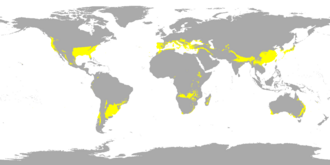
Key Facts
- Latitudinal Range: Extends from 23.4° to approximately 35°–40° north and south.
- Primary Climate Types: Divided mainly into humid subtropical and dry summer (Mediterranean) climates.
- Atmospheric Driver: The Hadley cell creates high-pressure zones (subtropical ridges) that often result in deserts.
- Temperature Profile: Generally features hot summers and mild winters; some definitions require at least eight months with mean temperatures above 10°C.
- High-Altitude Occurrence: Subtropical climates can also exist within the tropics at high elevations, such as in the Mexican Plateau.
Defining the Subtropics
Defining the exact boundaries of the subtropics varies depending on the meteorological or botanical system used. While the American Meteorological Society places the poleward fringe at approximately 35° latitude, other scientists use temperature and biological markers.
Climate Classification Systems
- Trewartha Classification: Defines a subtropical region as having at least eight months with a mean temperature above 10°C (50.0°F) and at least one month below 18°C (64.4°F).
- Troll-Paffen Classification: Focuses on warm temperate zones where the coldest month's average temperature ranges between 2°C and 13°C in the Northern Hemisphere, and 6°C to 13°C in the Southern Hemisphere.
- Holdridge Life Zones: Uses biotemperature (a measure of temperature relevant to plant growth). Subtropical climates here have a mean annual biotemperature between 16°C–18°C (the frost line) and 24°C.
- Köppen-Geiger Classification: Distinguishes between hot (subtropical) and cold (temperate) semi-arid climates based on whether the average annual temperature is above or below 18°C (64.4°F).
The frost line mentioned in the Holdridge system is particularly significant; it marks a physiological divide where plants on the warmer side are often sensitive to frost, while those on the colder side have evolved adaptations to survive low temperatures.
Atmospheric Circulation and Rainfall
The weather patterns of the subtropics are largely dictated by the Hadley cell. This is a global atmospheric circulation pattern where warm air rises at the equator, moves aloft toward the mid-latitudes, cools, and eventually sinks near the 30th parallel.
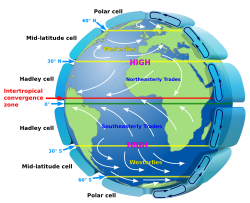
This sinking air creates the subtropical ridge, a region of high pressure that inhibits rainfall. Consequently, many of the world's great deserts are located within these zones, particularly in areas adjacent to cold ocean currents, such as the west coast of South America and Southern Africa.
Conversely, the Mediterranean climate—a specific subtropical variant—is typically found on the western sides of continents. It is characterized by a distinct seasonal split: wet winters and dry summers.
Varieties of Subtropical Climates
Humid Subtropical Climate
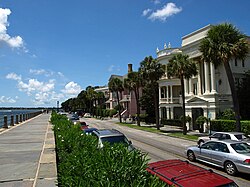
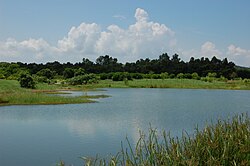
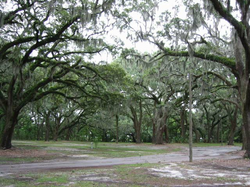
Humid subtropical climates (Köppen Cfa/Cwa) feature hot, humid summers and mild winters, with rainfall often peaking during the warmest months. These regions are found in the Southeastern United States, Southeast China, Northern Vietnam, and parts of eastern Australia and southeastern South America.
Subtropical Highland Climate
These climates occur at high elevations within tropical latitudes, providing a cooler, subtropical environment. Examples include Da Lat in the Vietnamese Central Highlands and the southern Mexican Plateau.

Mediterranean Climate
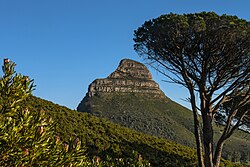
Found in the Mediterranean Basin, California, central Chile, southwestern Australia, and southwestern South Africa, this regime is defined by hot, dry summers and cool, rainy winters. In Europe, this climate reaches as far north as the Italian Riviera (44° latitude).
Semi-Desert and Desert Climates
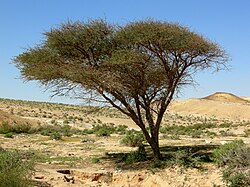
Arid subtropical climates are characterized by an annual average temperature above 18°C, a lack of regular rainfall, and high humidity in some coastal areas. These are often associated with the high-pressure zones of the subtropical ridge.
Summary of Subtropical Climate Types
| Climate Type | Summer Characteristics | Winter Characteristics | Example Regions |
|---|---|---|---|
| Humid Subtropical | Hot, humid, high rainfall | Mild, infrequent frost | SE USA, SE China, N. Vietnam |
| Mediterranean | Hot and dry | Cool and wet | Mediterranean Basin, California |
| Subtropical Highland | Mild/Cool | Mild | Mexico City, Addis Ababa |
| Arid Subtropical | Very hot and dry | Mild to warm | Cairo, Lima, Negev Desert |
Frequently Asked Questions
What exactly are the subtropics?
The subtropics are climate and geographical zones located between the tropics and the temperate zones, generally spanning from 23.4° to about 35°–40° latitude in both the Northern and Southern Hemispheres.
How does the Hadley cell affect subtropical weather?
The Hadley cell causes air to sink near the 30th parallel, creating high-pressure systems known as subtropical ridges. This subsidence prevents cloud formation and rainfall, leading to the creation of many of the world's deserts.
What is the difference between humid subtropical and Mediterranean climates?
The primary difference is the timing of rainfall. Humid subtropical climates typically receive significant rain during the hot summer months, whereas Mediterranean climates have dry summers and receive most of their precipitation during the cooler winter months.
Can a subtropical climate exist in the tropics?
Yes. Due to the effect of altitude, high-elevation areas within the tropics—such as the Mexican Plateau or the Vietnamese Central Highlands—can exhibit subtropical temperature and precipitation regimes.
What is the "frost line" in botanical terms?
The frost line is a critical temperature boundary (roughly 16°C to 18°C mean annual biotemperature) that separates subtropical regions from temperate ones. Plants on the subtropical side of this line generally lack the evolutionary adaptations to survive freezing temperatures.