Stuart Restoration: The Return of the Monarchy (1660–1688)
The Stuart Restoration marked the pivotal return of the Stuart monarchy to the kingdoms of England, Scotland, and Ireland in May 1660. This event brought an end to the Interregnum—the period between kings—and the Commonwealth of England, a republican government established after the execution of King Charles I in January 1649.
Following the rule of Lord Protector Oliver Cromwell and his son Richard, political instability paved the way for the return of the crown. Through the intervention of General George Monck and the issuance of the Declaration of Breda, Charles II returned from exile to reclaim his throne, signaling a shift back to traditional monarchical rule and the divine order.
Key Facts
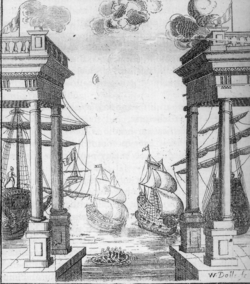
- Start Date: May 1660, when Charles II landed at Dover.
- Key Monarchs: Charles II, James II, William III, Mary II, and Anne.
- Legal Turning Point: The Indemnity and Oblivion Act 1660 provided a general pardon to most former opponents of the Crown.
- Political Body: The Cavalier Parliament (1661–1679) was strongly royalist and re-established the Church of England.
- End of Era: The period concluded with the Glorious Revolution of 1688.
The Path to Restoration: From Protectorate to Crown
The transition back to monarchy began after Richard Cromwell ceded power to the Rump Parliament in 1659. For a year, Charles Fleetwood and John Lambert dominated the government, but their control was challenged by George Monck, the governor of Scotland. Monck marched his army south to London, leading to the restoration of the Long Parliament on December 24, 1659.
Efforts to restart the civil war failed when John Lambert was recaptured by Colonel Richard Ingoldsby, a former participant in the regicide of Charles I seeking a royal pardon. By April 4, 1660, Charles II issued the Declaration of Breda, outlining his promises for the reclamation of the crown.
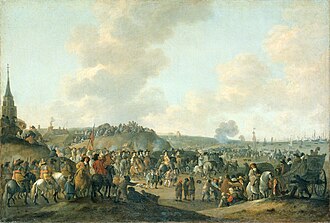
Charles II landed at Dover on May 25, 1660, and entered London on May 29—his 30th birthday. This date became a public holiday known as Oak Apple Day. He was officially crowned at Westminster Abbey on April 23, 1661.
Political and Legal Consequences
The return of the monarchy was not without retribution. While the Indemnity and Oblivion Act 1660 pardoned many, it specifically excluded the regicides—those who had signed the death warrant of Charles I. Ten regicides were executed in October 1660, and nineteen others were imprisoned for life.
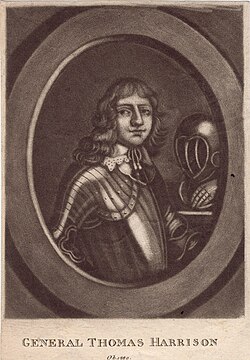
In a stark display of royal authority, the bodies of Oliver Cromwell, Henry Ireton, and John Bradshaw were exhumed in January 1661 to undergo posthumous execution. Meanwhile, the Cavalier Parliament oversaw the re-establishment of the Church of England via the Clarendon Code, which included the Act of Uniformity 1662.
The Venner Rebellion
The transition was occasionally violent. On January 6, 1661, Thomas Venner and a group of Fifth Monarchists attempted to seize London in the name of "King Jesus." The rebellion was suppressed, and Venner, along with ten others, was executed for high treason.
Impact Across the Kingdoms and Colonies
Ireland and Scotland
In Ireland, the parliamentary union of the Commonwealth was declared null and void. Charles II summoned his first Irish parliament in May 1661. In Scotland, the King was proclaimed on May 14, 1660. The Scottish parliament passed the Rescissory Act 1661, voiding all legislation passed since 1633 that had been forced upon Charles I.
The English Colonies
- New England: Puritan settlements were reluctant to accept the Restoration. The Colony of New Haven harbored regicides like Edward Whalley and William Goffe, leading to its merger into Connecticut in 1662.
- Virginia: The most loyal of the dominions, Virginia had provided sanctuary for Cavaliers during the republic. William Berkeley was elected governor in 1660 and restored the Anglican Church.
- Carolina: Formed in 1663 as a reward for Restoration supporters, the province was named after Charles I. Charleston was established in 1669.
The End of the Restoration Era
The stability of the Restoration began to crumble under James II. In April 1688, James reissued the Declaration of Indulgence, ordering Anglican clergymen to read it. When seven bishops petitioned against these religious policies, they were arrested for seditious libel.
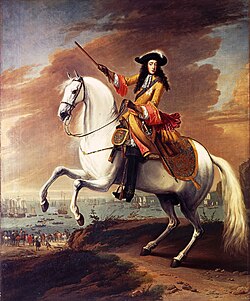
This sparked the Glorious Revolution. A group of Protestant nobles invited William of Orange to invade England. William arrived on November 5, 1688. James II, losing his nerve, fled to France, where he was received by Louis XIV. This transition of power effectively ended the Restoration period.
Summary of the Stuart Restoration
| Category | Details |
|---|---|
| Primary Monarchs | Charles II, James II |
| Key Legislation | Indemnity and Oblivion Act 1660, Clarendon Code |
| Major Events | Declaration of Breda, Venner Rebellion, Glorious Revolution |
| Religious Shift | Restoration of the Church of England |
| Colonial Impact | Formation of Carolina; Royalist resurgence in Virginia |
Frequently Asked Questions
What was the Interregnum?
The Interregnum was the period between 1649 and 1660 when England had no monarch, following the execution of Charles I. It was characterized by the rule of the Commonwealth and the Protectorate under Oliver and Richard Cromwell.
Who were the regicides?
Regicides were the individuals who participated in the trial and signing of the death warrant for King Charles I. Many were hunted down, imprisoned, or executed following the Restoration of Charles II.
What was the significance of the Declaration of Breda?
The Declaration of Breda was a document issued by Charles II in April 1660. In it, he made several promises regarding the reclamation of the crown, which helped facilitate his peaceful return to England.
What was the Cavalier Parliament?
The Cavalier Parliament was the royalist-dominated parliament that first met in May 1661. It sat for over 17 years and was responsible for re-establishing the Church of England and granting numerous pensions to royal supporters.
How did the Restoration end?
The Restoration ended with the Glorious Revolution of 1688, when James II was deposed and replaced by William III and Mary II after James's religious policies and political actions alienated the English nobility and clergy.