Street Artists and the World of Public Art
Art is not confined to the quiet halls of a museum or the sterile walls of a gallery. Across the globe, street artists bring creativity directly to the people, transforming sidewalks, plazas, and building facades into open-air exhibitions. From the rhythmic sounds of a musician to the bold colors of a massive mural, public art breathes life into urban environments and makes artistic expression accessible to everyone.
Street artists encompass a wide variety of disciplines. Some focus on visual arts, such as portrait artists, caricaturists (artists who create exaggerated depictions of people), and craft makers. Others specialize in large-scale works, including muralists and graffiti artists. Beyond the visual, the term also extends to street performers—often referred to as buskers—which include musicians, acrobats, jugglers, living statues, and street theatre performers.
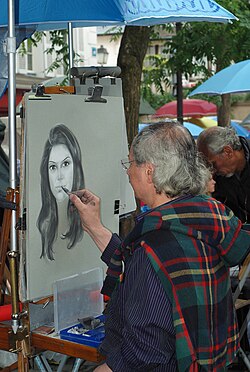
Key Facts
- Diverse Disciplines: Includes visual artists (painters, muralists), craftspeople, and performers (musicians, acrobats).
- Global Presence: Street art is practiced in cities and towns worldwide.
- Legal Variations: Legality depends on local municipal ordinances; some cities require specific licenses or permits.
- Controversy: While some view graffiti as vandalism, artists like Banksy and Shepard Fairey (Obey) have achieved global fame.
- Regulation: Cities such as San Francisco, Berkeley, and Seattle regulate the trade and display of street art.
The Legality of Art in Public Spaces
The relationship between street artists and the law is often complex. Depending on the country or sub-national jurisdiction, creating art in public may require a legal license or permit. Without this authorization, artists risk fines or arrest if their activities violate local municipal ordinances.
Permits and Regulations
In many municipalities, artists can apply for licenses to legally occupy public spaces or permits to paint specific buildings. These legal frameworks often impose limitations on where an artist can work and may regulate the types of items they are allowed to sell or the imagery they depict.
In the United States, cities like Seattle, Berkeley, and San Francisco actively regulate the trade and display of wares sold by street artists. San Francisco specifically employs a public approval process for murals that are painted on public buildings or created on private property using public funds.
The Graffiti Debate
Graffiti art remains one of the most controversial forms of public expression. Because it often involves painting on surfaces without prior permission, it is frequently categorized as vandalism. However, the line between vandalism and high art has blurred as certain graffiti artists have gained international acclaim. Notable figures such as Banksy and Shepard Fairey (also known as Obey) have transitioned from the streets to the global art spotlight.
Summary of Street Art Forms
| Category | Examples | Primary Medium/Activity |
|---|---|---|
| Visual Arts | Portraitists, Caricaturists, Craft makers | Drawing, Painting, Handmade goods |
| Large-Scale Art | Muralists, Graffiti artists | Walls, Building facades |
| Performance Art | Musicians, Jugglers, Living statues | Music, Acrobatics, Theatre |
Frequently Asked Questions
What is the difference between a muralist and a graffiti artist?
While both paint on walls, muralists typically create large-scale artworks that may be commissioned or permitted, whereas graffiti artists often work spontaneously and may operate without legal authorization, leading to the art form being viewed as controversial.
Do street artists need licenses to work?
Yes, in many jurisdictions, licenses or permits are required to conduct business or occupy public space. Failure to obtain these can result in fines or arrest depending on local laws.
Which cities are known for regulating street art?
San Francisco, Berkeley, and Seattle are examples of American cities that regulate how artists sell their wares and display their work on the street.
Who are some famous graffiti artists?
Banksy and Shepard Fairey (known as Obey) are two of the most famous artists to emerge from the graffiti scene.
What is a living statue?
A living statue is a type of street performance where the artist dresses and paints themselves to look like a statue, remaining motionless for long periods to entertain passersby.