Street Art: The Evolution of Urban Visual Culture
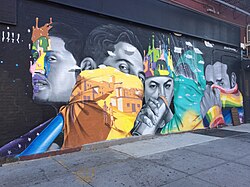
Street art is a dynamic form of static visual art that transforms the public landscape into an open-air gallery. Emerging as a prominent global movement in the 1980s, it has evolved from clandestine markings into a sophisticated medium that blends social commentary, political activism, and aesthetic beautification. Unlike street performance or theatre, street art focuses on permanent or semi-permanent visual installations in urban environments.
The movement is deeply rooted in graffiti—the act of writing or drawing on surfaces in public spaces—but has expanded to include a vast array of techniques, including stencils, wheatpasting, stickers, and large-scale murals.
Key Facts
- Active Period: 1980s to the present.
- Major Figures: Influential artists include Banksy, Keith Haring, and John Fekner.
- Core Influence: Heavily influenced by traditional graffiti culture.
- Global Reach: Practiced across every inhabited continent, from New York City to Melbourne and Tunis.
- Diverse Mediums: Includes murals, calligraffiti, guerrilla sculpture, and paste-ups.
The Development of Urban Art
Origins and Early Iconic Works
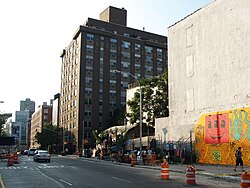
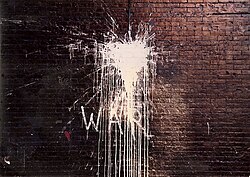
Street art gained significant momentum in the 1980s, particularly in New York City. Early pioneers like Keith Haring and Jacek Tylicki utilized the city's walls to communicate with the masses. One of the most enduring examples of this era is the Bowery Mural, originally created by Haring in 1982 and later recreated in 2010.
From Vandalism to Commercial Crossover
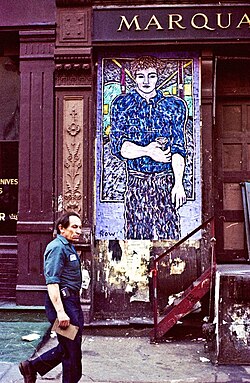
While once viewed primarily as vandalism, street art has experienced a massive commercial crossover. The transition from the "underground" to the gallery has seen artists like Banksy achieve international fame, leading to a complex relationship between the art's rebellious roots and its current status as a collectible commodity.
Legality, Ethics, and Copyright
The legal status of street art remains a point of contention. Because much of the work is created without official permission, it often exists in a legal gray area. This raises significant questions regarding copyright: does the artist own the image, or does the property owner own the wall upon which the art is painted?
Diverse Forms of Street Expression
Guerrilla Art and Sculpture
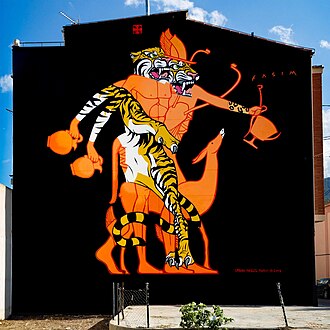
Guerrilla art refers to works placed in public spaces without permission, often intended to provoke a reaction or highlight a social issue. This extends to guerrilla sculpture, where three-dimensional objects are installed in the urban environment to challenge the viewer's perception of space.
The Beautification Movement
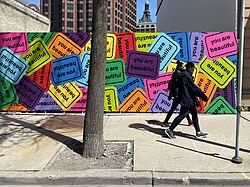
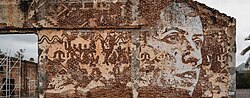
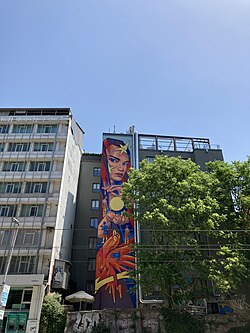
Many cities have embraced street art as a tool for urban renewal. The beautification movement encourages the creation of sanctioned murals to revitalize neglected neighborhoods, turning drab walls into vibrant landmarks that attract tourism and foster community pride.
Global Perspectives on Street Art
Street art manifests differently across the globe, reflecting the unique political and cultural climates of each region.
North and South America
In the United States, cities like New York, Atlanta, and Denver have become hubs for muralism. In South America, vibrant graffiti scenes thrive in cities such as Lima, Peru, and Bogotá, Colombia, often serving as a voice for the marginalized.
Europe
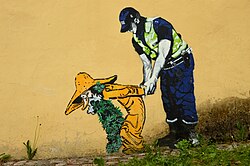
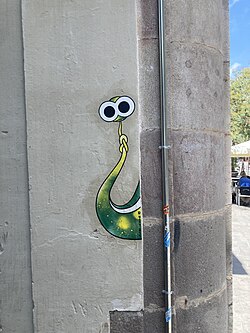
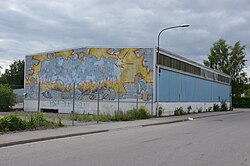
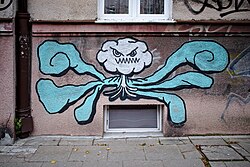
Europe boasts a rich variety of styles, from the calligraffiti (a blend of calligraphy and graffiti) seen in various regions to the social-critical works in Tartu, Estonia. Germany's Berlin Wall served as one of the most famous canvases in history between 1961 and 1989.
Asia, Africa, and Oceania
In Asia, artists like Ernest Zacharevic have created iconic murals in George Town, Malaysia. In Africa, the Arab Spring sparked a surge of political street art in Cairo. Meanwhile, Australia has developed a massive scene, with Melbourne's Hosier Lane standing as a world-renowned destination for urban art.
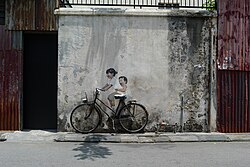
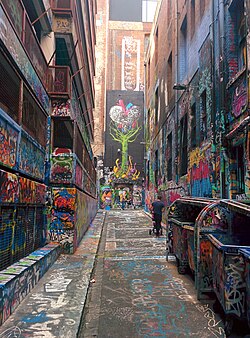
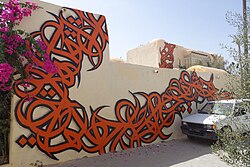
| Region | Notable Locations/Styles | Key Characteristics |
|---|---|---|
| North America | NYC, Atlanta, Denver | Commercial crossover, large-scale murals |
| Europe | Berlin, Barcelona, Warsaw | Political history, calligraffiti, stencil art |
| Asia | George Town (Malaysia), Seoul | Integration with local architecture |
| Oceania | Melbourne, Christchurch | Dedicated art lanes and festivals |
| Africa | Cairo, Johannesburg | Political activism and social commentary |
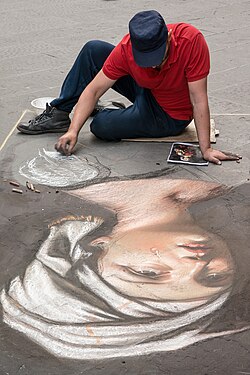
![Amanda Harris of Southern California at the Minneapolis Street Art Festival in 2019[166]](/images/c2/3b/c23bddafaad46e7e645a343dc74e05f1691d2749fc1fe64e1611403be91b92ca.jpg)
Frequently Asked Questions
What is the difference between graffiti and street art?
While the terms are often used interchangeably, graffiti typically refers to stylized lettering and "tagging" focused on the writer's identity. Street art is a broader term that encompasses murals, stencils, and installations, often focusing on imagery and social messages for a general audience.
Is street art legal?
It depends on the location and permission. Sanctioned murals are legal, while unsanctioned works (guerrilla art) are often technically illegal and can be classified as vandalism, depending on local laws.
Who are some of the most influential street artists?
Banksy is perhaps the most famous contemporary figure, known for his satirical stencils. Keith Haring was a pivotal figure in the 1980s, and John Fekner is noted for his early contributions to the movement.
How is street art documented?
Because it is often ephemeral, street art is documented through photography and documentary films. Notable films include Style Wars (1983), Bomb It (2008), and Exit Through the Gift Shop (2010).