State Reptiles of the United States: Symbols of Regional Heritage
Across the United States, many states have chosen to honor their local wildlife by designating an official state reptile. These symbols serve as more than just biological markers; they often represent the spirit, resilience, and natural beauty of the region. From the deserts of the Southwest to the wetlands of the East Coast, these designations highlight the diverse herpetology—the study of reptiles and amphibians—found across the North American continent.
The process of selecting a state reptile is often a community effort. In many instances, schoolchildren lead the charge, launching campaigns to promote their favorite species to state legislators. Once a reptile is chosen, it is codified through designating statutes, and many secretaries of state provide educational resources to teach the public about these creatures.
Key Facts
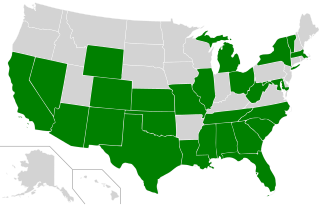
- 28 U.S. states have designated an official state reptile.
- Oklahoma was the first state to name an official reptile in 1969.
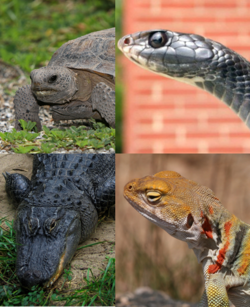
- State reptiles include a variety of groups: turtles, snakes, lizards, and crocodilians.
- Designations are more frequent in regions with climates naturally suitable for reptile populations.
- Some state reptiles were previously used as university mascots before receiving official government status.
The History and Adoption of State Reptiles
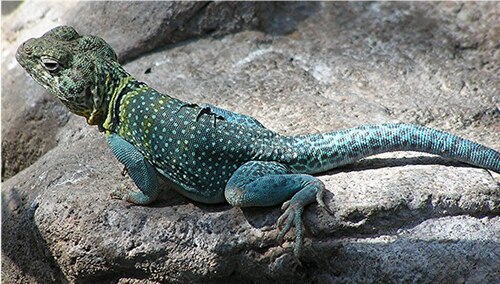
The trend of naming state reptiles began relatively recently compared to other symbols. While all 50 states had named a state bird by 1927, the first state reptile was not designated until 1969, when Oklahoma chose the common collared lizard (also known as the "mountain boomer").
Adoption grew slowly at first, with only two states following Oklahoma in the 1970s. However, the pace accelerated in the following decades, averaging nearly one new designation per year. The 1980s, 1990s, and 2000s each saw between seven and eight states adopt a reptile symbol. More recently, Utah and New Jersey joined the list during the 2010s.

Legislation and Justification
When a state reptile is proposed, the legislation often includes a "Whereas" section that justifies the choice by comparing the animal's traits to the characteristics of the state's citizens or landscape. For example, Vermont's designation of the painted turtle in 1994 noted that the turtle is a "hard worker" capable of withstanding cold temperatures, mirroring the resilience of Vermont's people. The legislation also cited the turtle's colors as representative of the state's autumn beauty.
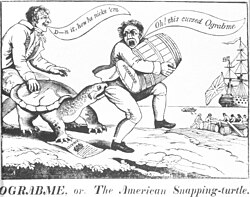
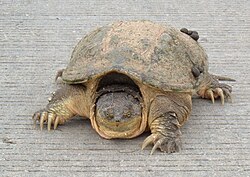
In other cases, the selection process can be highly competitive. In New York, the common snapping turtle won a close election to become the state's reptile icon.
From Mascots to Official Symbols
Several states chose reptiles that already held a place of honor in local culture, particularly within collegiate athletics. Three states selected reptiles that were already prominent mascots for major in-state universities:
- Florida: The alligator
- Maryland: The terrapin
- Texas: The horned lizard
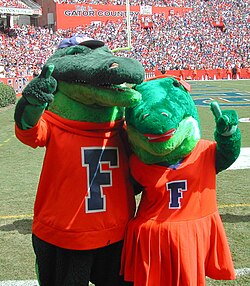
Beyond athletics, some reptiles have deep historical ties. West Virginia's timber rattlesnake, for instance, was featured as an element of the American flag as far back as 1775.
Biology and Conservation
The diversity of state reptiles reflects the biological variety of the U.S. landscape. These animals range from sea turtles to desert lizards.
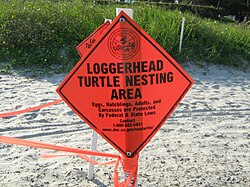
However, the designation of a state reptile often brings attention to conservation needs. Many of these species face population declines. Efforts to protect these animals are ongoing, such as conservation initiatives for sea turtles at Hilton Head, South Carolina, and the monitoring of species via the IUCN (International Union for Conservation of Nature) Red List to track extinction risks.
Below is a summary of the adoption trends and examples of state reptile designations.
| Category/Period | Details/Count | Example Species |
|---|---|---|
| Total States with Reptiles | 28 | Various |
| First State (1969) | Oklahoma | Common Collared Lizard |
| 1980s - 2000s | ~7-8 states per decade | Painted Turtle (VT) |
| University Mascots | 3 states | Alligator (FL), Terrapin (MD) |
| Recent Adoptions (2010s) | Utah, New Jersey | Bog Turtle (NJ) |
Frequently Asked Questions
Which state was the first to designate an official reptile?
Oklahoma was the first state to name an official reptile in 1969, selecting the common collared lizard, also known as the "mountain boomer."
How do state reptiles differ from state birds in terms of adoption?
State birds are much more common and were adopted much earlier; all 50 states have one, with the first selected in 1927. In contrast, only 28 states have an official reptile, and the trend didn't begin until 1969.
What role do students play in choosing state reptiles?
Schoolchildren often initiate the process by starting campaigns to promote their favorite reptiles, encouraging state legislators to enact the animal as an official state symbol.
Are all state reptiles found naturally in their respective states?
Yes, states typically choose reptiles that are common in their habitat or represent the state's natural diversity, often citing the animal's ability to thrive in the local climate within the designating statutes.
Do state reptiles have any connection to sports?
Yes, in Florida, Maryland, and Texas, the official state reptiles (the alligator, terrapin, and horned lizard, respectively) served as mascots for major in-state universities before their formal government designation.