Sramana Traditions: The Ascetic Movements of Ancient India
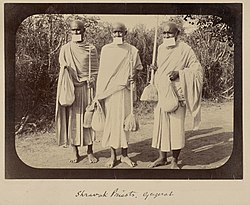
Long before the rise of the major world religions we recognize today, ancient India was a fertile ground for spiritual experimentation. Central to this era were the Sramana movements—traditions of wandering ascetics and seekers who sought liberation from the cycle of existence through personal effort, meditation, and austerity. These movements challenged established norms and laid the philosophical groundwork for Buddhism and Jainism.
The evolution of the Sramana tradition is often viewed in phases. Some scholars, such as Martin Wiltshire, suggest it progressed from the Paccekabuddha phase (individual ascetics) to the Savaka phase (the establishment of disciples). While these traditions often used existing Brahmanical concepts to communicate their ideas, they frequently diverged from the ritualistic focus of the time.
Key Facts
- Sramana refers to seekers who performed srama (labor/effort) to achieve spiritual goals.
- The movement gave rise to major sectarian manifestations, most notably Buddhism and Jainism.
- Pre-Buddhist Sramana schools included diverse philosophies ranging from absolute materialism to fatalism.
- The Ajivika sect, founded by Makkhali Gosala, was a major rival to early Buddhism and Jainism.
- The Buddhist "Middle Way" emerged as a reaction against the extreme austerities practiced by other Sramana groups.
The Relationship Between Sramana and Vedism
The origin of Sramana traditions remains a subject of scholarly debate. A traditional view suggests that Sramanism began as a cultural and religious tradition entirely separate from the Vedic religion (the early ritualistic tradition of the Aryans). However, Indologists like Patrick Olivelle argue that the original Sramana tradition was actually embedded within the Vedic one.
Olivelle posits that in early Brahmanical literature, Sramana was an adjective describing sages who lived extraordinary lives, rather than a separate class or an anti-Brahmanical movement. This is supported by references in the Rig Veda to the Kesins—long-haired "silent ones" or munis who possessed deep spiritual experiences and extraordinary powers.
Other theories suggest different roots. Anthropologist Ramaprasad Chanda links asceticism to pre-Vedic shamanic practices of seclusion. Meanwhile, scholar Bronkhorst suggests the culture arose in "Greater Magadha," a region that was Indo-Aryan but non-Vedic, where the Kshatriyas (warrior class) held higher status than the Brahmins (priestly class).
Pre-Buddhist Sramana Schools
The Buddhist Pali Canon, specifically the Samaññaphala Sutta, identifies six influential "heretical" teachers who led various Sramana orders before or during the time of the Buddha. These leaders were regarded as founders of schools and popular saints.
| Teacher | School/Philosophy | Core Belief |
|---|---|---|
| Purana Kassapa | Amoralism | No reward or punishment for good or bad deeds. |
| Makkhali Gosala | Ajivika (Fatalism) | Suffering is pre-destined; free will does not exist. |
| Ajita Kesakambali | Charvaka (Materialism) | Death is total annihilation; only elemental matter exists. |
| Pakudha Kaccayana | Atomism | The universe consists of seven eternal, unchanging building blocks. |
| Nigantha Nataputta | Jainism | Liberation through restraint and the avoidance of all evil. |
| Sanjaya Belatthiputta | Ajñana (Agnosticism) | Suspension of judgment on metaphysical questions. |
The Rise of Jainism and Buddhism
Jainism
Jainism, led by Mahavira (Nigantha Nataputta), emphasized fourfold restraint and the avoidance of evil. Many Jaina scholars believe their tradition is of independent origin, predating both the Buddha and the Vedic period. Some historians link Jain symbols to the Indus Valley Civilization, suggesting a very ancient lineage.
Buddhism
Gautama Buddha began his journey as a Sramana, practicing extreme austerities until he nearly starved. This led him to reject both hedonism and self-mortification in favor of the Middle Way. Unlike the Jains, who continued rigorous austerities (including fasting and nudity), Buddhism adopted a moderate ascetic lifestyle.
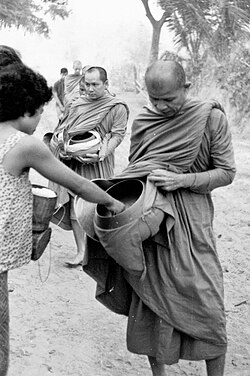
This moderation, combined with a structured relationship between the Sangha (monastic community) and the laity, helped Buddhism grow rapidly. The vinaya (monastic code) ensured that monks remained connected to society, allowing laypeople to gain merit by providing alms.
The Ajivika Sect and Historical Conflict
The Ajivikas, founded by Makkhali Gosala, were a major rival to both Buddhism and Jainism. They believed in determinism, asserting that everything is a consequence of nature's laws. While their own scriptures are lost, they were once prominent in cities like Savatthi and later in South India (Karnataka and Tamil Nadu) until the 14th century CE.
The history of these movements was not always peaceful. The Ashokavadana records that Emperor Ashoka, after converting to Buddhism, ordered the execution of approximately 18,000 Ajivikas in Pundravardhana. Jaina texts also describe conflicts between Mahavira and Gosala, though historians note that these accounts were written centuries later by opponents, making their reliability questionable.
Frequently Asked Questions
What does the term Sramana actually mean?
The term Sramana is derived from the Sanskrit word srama, meaning "labor" or "effort." It refers to an ascetic or seeker who exerts great personal effort through discipline and meditation to achieve spiritual liberation.
How did Buddhism differ from other Sramana movements?
Buddhism distinguished itself by promoting the "Middle Way," rejecting the extreme self-mortification and austerity practiced by groups like the Jains and Ajivikas, while also avoiding the indulgence of hedonism.
Who were the Ajivikas?
The Ajivikas were a Sramana sect founded by Makkhali Gosala. They believed in fatalism (niyativāda), arguing that human destiny is pre-determined and that free will is an illusion.
Was Sramanism a protest against the Vedic religion?
While some scholars view it as a separate or rival tradition that rejected Vedic authority, others, like Patrick Olivelle, argue that Sramana practices were originally a specialized part of the broader Vedic tradition.
Which pre-Buddhist schools believed in materialism?
The school led by Ajita Kesakambali (often associated with Charvaka or Lokayata) believed in materialism, asserting that humans are composed of elemental matter and that there is no afterlife or karma.