Spring Day Celebrations Across the Northern Hemisphere
As winter fades, cultures across the Northern Hemisphere mark the arrival of spring with rituals centered on renewal, nature, and the returning strength of the sun. From the ancient pagan roots of the Balkans to the vibrant seasonal shifts in South Asia, these celebrations reflect a universal human desire for prosperity and regeneration.
Dita e Verës: The Albanian Summer Day
In Albania, the arrival of spring is celebrated on March 14 through Dita e Verës (Summer Day). Established as a national holiday in 2004, this festival is rooted in ancient pagan practices dedicated to the strengthening of Dielli (the Sun) and the renewal of the natural world. While rituals are performed throughout all Albanian-inhabited territories, the city of Elbasan hosts a particularly significant annual celebration.
The origins of this feast may trace back to ancient Illyria, where it was originally celebrated on March 1. Under the Julian calendar, this date marked the first day of the year.
Rituals of Fire and Faith
To honor the Sun God, pilgrims ascend the highest peaks of Albania's sacred mountains, seeking proximity to the heavens to pray for a prosperous new year. A central element of the celebration is the lighting of Zjarri (the great Fire) on the eve of the holiday or before sunrise. This fire is intended to provide strength to the sun; participants dance, sing, and jump across the flames in rituals designed for purification, renewal, and apotropaic purposes—actions intended to ward off evil.
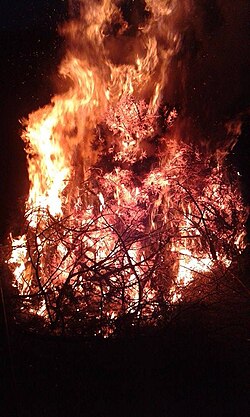
Additionally, households adorn their doors with wreaths and garlands to invite good luck into the home.
Family Traditions and Culinary Customs
The festivities begin a day early with the preparation of traditional sweets. These include revani and ballakume, which are made from a blend of butter, sugar, corn flour, and egg yolks baked in wood ovens. During the evening, families share ballakume, dried figs, walnuts, boiled eggs, turkey legs, and Simit (a traditional city sandwich).
The night is marked by a symbolic ritual led by the oldest woman in the house. She remains awake, moving from room to room to place grass on the cushions of children, young people, and couples to symbolize quickening and regeneration.
On the morning of March 14, the elderly leave their doors open as a gesture of generosity and place a pitcher of fresh water outside. They also bring a clump of green grass into the home. While the youth fertilize olive and orange trees, the youngest children visit neighbors and relatives to receive gifts of nuts, dried figs, and turkey legs. The day concludes with a communal lunch eaten outdoors with friends and family.
The Arbëreshë Connection
The traditions of Dita e Verës extend beyond Albania's borders to the Arbëreshë, an Albanian community living on the Italian coast since the 15th century. On March 14, they commemorate their emigration by collecting soil and a tuft of grass roots to bring into their homes.
Spring Celebrations in Estonia and Bangladesh
Beyond the Balkans, other nations mark the season with distinct dates and meanings.
- Estonia: The nation celebrates Spring Day on May 1.
- Bangladesh: Spring is welcomed on February 14, marking the first day of the month of Falgun. This signals the beginning of Boshonto, the Bengali spring season.
In Bangladesh, the celebration known as Pohela Falgun previously fell on February 13. However, due to calendar changes implemented in 2020, it is now observed on February 14, coinciding with Valentine's Day.
Key Facts
- Dita e Verës is a national holiday in Albania celebrated every March 14.
- The Albanian festival focuses on the strengthening of the Sun (Dielli) and nature's renewal.
- Zjarri (the great Fire) is used for purification and apotropaic rituals.
- The Arbëreshë community in Italy uses grass and soil to remember their Albanian roots.
- Pohela Falgun in Bangladesh marks the start of the Boshonto season on February 14.
- Estonia observes Spring Day on May 1.
| Country/Community | Date | Key Focus/Ritual |
|---|---|---|
| Albania | March 14 | Sun strengthening, Zjarri fire, and traditional sweets |
| Arbëreshë (Italy) | March 14 | Commemorating emigration with soil and grass |
| Bangladesh | February 14 | Pohela Falgun / Beginning of Boshonto season |
| Estonia | May 1 | Spring Day celebration |
Frequently Asked Questions
What is the meaning of Dita e Verës?
Dita e Verës, or "Summer Day," is an old Albanian pagan practice that celebrates the renewal of nature and the strengthening of the Sun (Dielli).
What are the traditional foods eaten during the Albanian Spring Day?
Traditional foods include sweets like revani and ballakume, as well as dried figs, walnuts, turkey legs, boiled eggs, and Simit sandwiches.
Why do Albanians jump over the Zjarri fire?
Jumping over the great fire is a ritual performed for the purpose of purification, renewal, and apotropaic reasons, which means warding off evil spirits.
How do the Arbëreshë in Italy celebrate this day?
The Arbëreshë community collects a tuft of grass roots and soil to bring home, commemorating the anniversary of their emigration from Albania.
When is Pohela Falgun celebrated in Bangladesh?
Since 2020, Pohela Falgun is celebrated on February 14, marking the first day of the month of Falgun and the start of the Boshonto spring season.