Sperm Competition: Evolutionary Strategies and Biological Adaptations
In the natural world, the race to pass on genetic material is often won not just by the strongest or fastest animal, but by the most competitive cells. Sperm competition is the biological process where spermatozoa from two or more different males compete to fertilize a single egg. This phenomenon occurs primarily in species where females mate with multiple partners, a behavior that can increase the genetic viability of offspring but creates a high-stakes environment for males.
From an evolutionary perspective, sperm competition acts as a powerful pressure. Because a female's choice of multiple mates decreases the probability that any single male will father the offspring, males have evolved a diverse array of physiological and behavioral adaptations to tilt the odds in their favor.
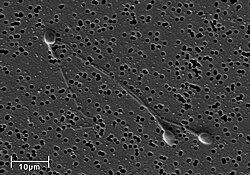
Key Facts
- Definition: Competition between sperm from different males to fertilize the same ovum.
- The Raffle Analogy: Success is often compared to a raffle; the more sperm a male contributes, the more "tickets" he has in the draw.
- Anisogamy: The energy trade-off between sperm size and number has contributed to the evolution of very small sperm (anisogamy).
- Sexual Conflict: The opposing reproductive interests of males and females lead to a biological "arms race."
- Tactics: Males employ both offensive strategies (removing rival sperm) and defensive strategies (preventing re-mating).
The Mechanics of Competition
The fundamental challenge for a male is to maximize his reproductive success while managing the energy costs of sperm production. This has led to two primary biological paths: quantity and quality.
Quantity vs. Quality
Some males evolve to produce a massive number of spermatozoa. By increasing the volume of the ejaculate, they increase their statistical chance of fertilization. However, since sperm are not "free" to produce, this creates a trade-off. To maintain high numbers, sperm often evolve to be smaller, a process linked to anisogamy (the difference in gamete size between males and females).
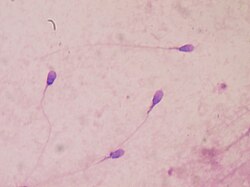
Speed and Morphology
Alternatively, some species evolve faster sperm to reach the ovum before competitors. In other cases, specialized sperm morphs appear. For example, in Fusitriton oregonensis, immature parasperm lancets are produced during periods of high sperm competition.
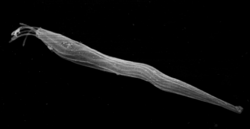
Male Reproductive Tactics
To ensure their sperm is the one that fertilizes the egg, males have developed offensive and defensive tactics to manage the risk of female re-mating.
Defensive Adaptations
Defensive tactics are designed to prevent other males from mating with the female after the initial copulation. These include:
- Mate Guarding: Physically staying with the female to block other suitors.
- Mating Plugs: Sealing the female's reproductive tract with a physical barrier to prevent subsequent insemination.
- Toxic Seminal Substances: Releasing chemicals that reduce the female's tendency to seek other mates.
Offensive Adaptations
Offensive tactics involve direct interference with the reproductive success of previous mates. This can include physically removing the sperm of a rival before mating. A striking example is seen in male dunnocks (Prunella modularis), which may peck at a female's cloaca to remove the sperm of previous partners.

Comparative Examples Across Species
Sperm competition manifests differently across the animal kingdom, from insects to mammals.
| Species | Adaptation/Behavior | Strategy Type |
|---|---|---|
| Dunnock (Prunella modularis) | Physical removal of rival sperm | Offensive |
| Bumblebee | Fatty acid mating plugs | Defensive |
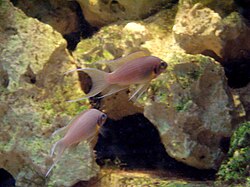
| Cichlid Fish | Evolution of faster sperm | Physiological |
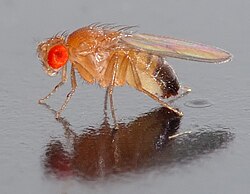
| Drosophila melanogaster | Seminal fluid proteins | Chemical/Defensive |
In insects like the Indianmeal moth and Drosophila melanogaster, the interaction between seminal proteins and the female's reproductive system plays a critical role in determining which sperm succeeds.
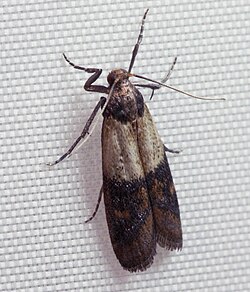
Evolutionary Consequences
The ongoing struggle for paternity leads to significant evolutionary shifts. Beyond the physical traits of sperm, it influences post-copulatory inbreeding avoidance, where females may biologically favor sperm that is less genetically similar to their own to avoid the risks of inbreeding.
Furthermore, this competition creates a sexual conflict. While males evolve ways to restrict female mating, females may evolve mechanisms to maintain control over which sperm fertilizes their eggs, a process known as cryptic female choice.
Frequently Asked Questions
What is the "raffle ticket" analogy in sperm competition?
It describes the statistical nature of fertilization: a male who inseminates a female with a larger quantity of sperm is like a person buying more tickets for a raffle, thereby increasing his mathematical probability of "winning" (fathering the offspring).
How do mating plugs work?
Mating plugs are physical barriers deposited by the male in the female's reproductive tract after mating. Their purpose is to block the entry of sperm from subsequent males, serving as a defensive adaptation to ensure paternity.
What is the difference between offensive and defensive tactics?
Defensive tactics focus on preventing future competition (e.g., mate guarding or plugs), while offensive tactics involve actively interfering with or removing the sperm already deposited by a previous male.
Why does sperm competition lead to smaller sperm?
Because there is an energy trade-off between the size of an individual sperm cell and the total number of cells a male can produce. To maximize the number of "raffle tickets," selection often favors smaller, more numerous sperm (anisogamy).
Do humans experience sperm competition?
Yes, research suggests that humans have psychological and physiological adaptations to sperm competition, although the mechanisms differ from those seen in more extreme animal examples.