Special Air Service: The History and Organization of The Regiment
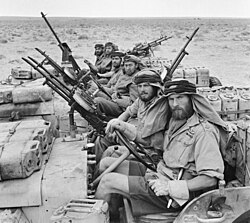
The Special Air Service, widely known as "The Regiment," is the premier special forces unit of the British Army. Operating under the umbrella of the United Kingdom Special Forces, the SAS is renowned for its rigorous selection process, versatility in combat, and its iconic motto, "Who Dares Wins." From its origins in the deserts of North Africa to modern counter-terrorism operations, the SAS has set the global standard for special operations.
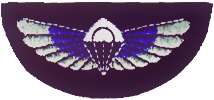
The unit is characterized by its distinct pompadour blue colors and a legacy of high-risk missions. Whether operating in the shadows of unconventional warfare or executing precision strikes in urban environments, the SAS remains one of the most secretive and respected military organizations in the world.
Key Facts
- Motto: "Who Dares Wins"
- Branch: British Army (United Kingdom Special Forces)
- Primary Roles: Special operations and counter-terrorism
- Structure: Comprised of three regiments (21, 22, and 23 SAS)
- Active Periods: 1941–1945 and 1947–present
- Distinctive Colors: Pompadour blue
Historical Evolution
The Second World War
The SAS was forged during the Second World War, beginning with the 1st Special Air Service. During this era, the unit expanded to include the 2nd, 3rd (3e Régiment de Chasseurs Parachutistes), 4th (2e Régiment de Chasseurs Parachutistes), and 5th SAS—the latter of which provided the lineage for the Belgian Special Forces Group. A dedicated F Squadron was also established to manage critical signals and communications.
Post-War and Modern Era
Following the war, the SAS evolved through various iterations, including the Malayan Scouts, leading to the establishment of the 22 SAS Regiment. The unit's influence has been global, serving as a blueprint for many other international special forces. In recent decades, the SAS has been deployed in high-stakes environments, including Afghanistan and Syria.
Organization and Structure
The Special Air Service is organized into three distinct regiments, balancing full-time professional soldiers with reserve forces.
The Regiments
- 22 Special Air Service Regiment: The primary regular force.
- 21 Special Air Service Regiment (Artists): A reserve unit.
- 23 Special Air Service Regiment: A reserve unit.
Squadron and Troop Specialization
Within the 22 SAS, squadrons are further divided into specialized Troops to ensure capability across all terrains. For example, A, B, D, and G Squadrons each maintain specific troops dedicated to the following environments:
- Boat Troop: Maritime and amphibious operations.
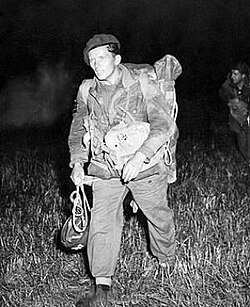
- Air Troop: Parachute and airborne insertions.
- Mobility Troop: Rapid vehicle-based movement.
- Mountain Troop: High-altitude and rugged terrain warfare.
Recruitment, Training, and Honors
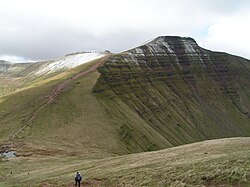
Entry into the SAS is famously difficult, involving a selection process regarded as one of the toughest in the world. This includes grueling physical and psychological tests, such as the Fan Dance, a demanding march across Pen y Fan.
The Regiment's bravery has been recognized through numerous battle honours, spanning from the Benghazi Raid and the North African campaign (1940–43) to the Falkland Islands (1982) and the Gulf War (1991).
| Feature | Details |
|---|---|
| HQ/Garrison | Hereford |
| Key Regiments | 21, 22, 23 SAS |
| Notable Commanders | Sir Peter de la Billière, Sir Mark Carleton-Smith, Lord Guthrie |
| Major Engagements | North Africa, Sicily, Italy, Greece, Falklands, Gulf, Afghanistan, Syria |
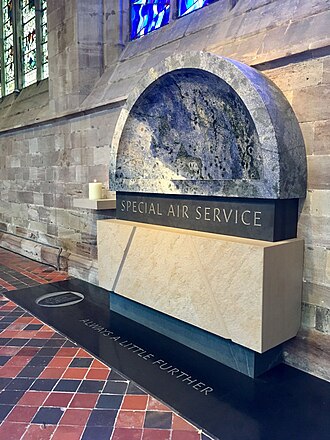
To honor those who have served and fallen, memorials exist across the UK, including the Ascension memorial at Hereford Cathedral.
Frequently Asked Questions
What does the SAS motto "Who Dares Wins" mean?
The motto reflects the regiment's philosophy of courage, initiative, and the willingness to take calculated risks to achieve mission success in high-pressure environments.
What is the difference between 22 SAS and 21/23 SAS?
22 SAS is the regular, full-time professional regiment, while 21 and 23 SAS are reserve regiments consisting of part-time soldiers who maintain SAS standards alongside civilian careers.
What are the specialized troops within an SAS squadron?
Each squadron typically contains four specialized troops: Boat (maritime), Air (airborne), Mobility (vehicle), and Mountain (high-altitude), ensuring the unit can operate in any environment.
Where is the SAS based?
The primary garrison and headquarters for the Special Air Service is located in Hereford.
What is the Fan Dance?
The Fan Dance is a legendary part of SAS selection, involving a grueling march over the terrain of Pen y Fan, which reaches 2,907 feet above sea level.